Lance Stroll's Fury Signals Wider F1 2026 Driver Discontent
Lance Stroll's uncharacteristic fury in 2026 signals widespread driver dissatisfaction with F1's new technical package, from active aero to power unit deployment.
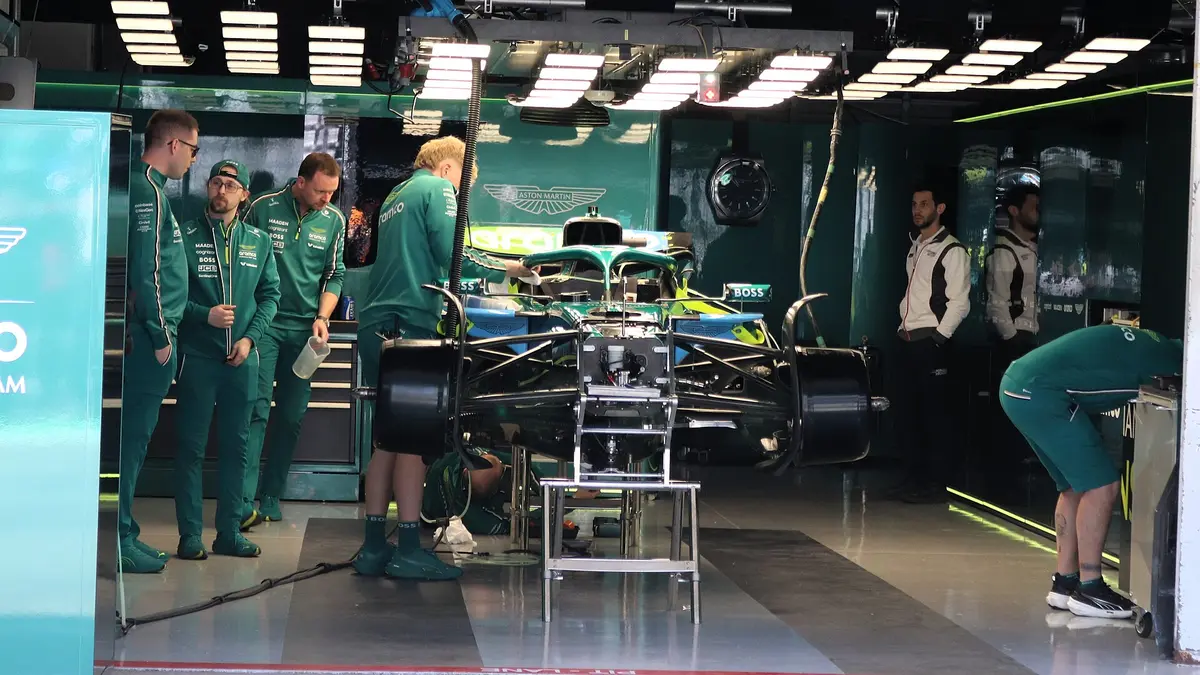
Photo: Liauzh / CC-BY-SA-4.0
Lance Stroll is not known for making headlines with passionate outbursts. The Aston Martin driver has, across his Formula 1 career, cultivated a reputation for measured, if sometimes blunt, communication — rarely the man reaching for the megaphone in a crowded paddock debate. Which is precisely why, when Stroll becomes the most animated and vocal figure in the F1 paddock, the rest of the grid takes notice. His unusually fiery demeanour in 2026 is being read by insiders as a powerful, unambiguous signal: the current technical package is not working for the drivers, and the frustration runs far deeper than one team or one personality.
The 2026 season ushered in the most sweeping regulatory overhaul Formula 1 has seen in years — new power unit regulations, active aerodynamics, an overtake boost system, and dramatically altered chassis rules. The intent was noble: closer racing, improved overtaking, and a platform for new manufacturers like Audi and Cadillac to compete. But the early evidence from the paddock suggests the reality on track and in the cockpit is provoking genuine anger among those who have to actually drive these cars at the limit, every single weekend.
When Stroll Speaks Up, the Paddock Listens
To understand why Stroll's reaction carries such weight, you have to appreciate his baseline. Over the years, Fernando Alonso, Max Verstappen, Lewis Hamilton, and Charles Leclerc have all delivered memorable, emotionally charged radio messages and post-race interviews. Their passion is expected, even scripted into the narrative. Stroll, by contrast, has often been characterised — fairly or unfairly — as someone who absorbs frustration quietly, perhaps shielded in part by his family's ownership stake in Aston Martin.
For that particular driver to emerge as, in the words circulating in the paddock, "the most fiery person" in the F1 environment in 2026, is genuinely startling. It suggests one of two things: either the problems with the current technical package are so profound and so tangible that they have broken through even the most composed exterior, or the collective mood among drivers has reached such a boiling point that even quieter personalities feel emboldened to voice what everyone is thinking.
The truth, based on the atmosphere in the paddock, appears to be both simultaneously.
What Is the 'Current Technical Package' Drivers Are Unhappy With?
The 2026 regulations represent the biggest change to Formula 1's technical rulebook in the modern era. The new power unit framework introduced a dramatically different split between internal combustion and electrical power — with the electrical component now contributing a far larger proportion of total power output than ever before. Meanwhile, the active aerodynamics system, designed to replace the drag-reduction system (DRS) of previous generations, has placed new demands on drivers in terms of both technique and trust.
Active aero in the 2026 cars operates differently from the simple, driver-activated rear wing flap that defined racing for over a decade. The system is more sophisticated, and its behaviour — particularly in cornering and under braking — is something drivers have had to adapt to at pace. Reports from the paddock throughout the early part of the 2026 season have pointed to unpredictability in how the aerodynamic surfaces behave at the limit, creating cars that feel less intuitive to push to the absolute edge.
The overtake boost system, another new element for 2026, has also generated mixed reviews from drivers. While the concept of a deployable performance increment to facilitate overtaking is sound in theory, its implementation has drawn criticism from multiple quarters. Some drivers have complained that it creates artificial-feeling moments that don't align with their instincts honed over years of racing.
Aston Martin's Specific Struggles
While driver discontent with the 2026 package appears to be widespread, Aston Martin's position is particularly instructive. The Silverstone-based team entered 2026 with significant ambitions, having built a purpose-designed factory and continued to invest heavily in personnel. The expectation was that the clean-sheet 2026 regulations would offer an opportunity to reset the competitive order — a chance for Aston Martin to emerge as a genuine frontrunner.
If Stroll's reaction is anything to go by, that ambition has collided painfully with the reality of where the AM26 package currently sits. For a driver who has the unique position of racing for a team his family owns, there is an additional emotional dimension to poor performance. The frustration isn't just professional — it's personal.
A Grid-Wide Problem, Not Just One Team's Complaint
It would be tempting to frame Stroll's frustration as an Aston Martin-specific issue, but the source of the discontent is described explicitly as relating to the broader technical package — the regulations and their real-world consequences — rather than any single team's car design. And this is where the story becomes truly significant for the 2026 season as a whole.
Across the paddock, there have been murmurs from drivers at multiple teams about the demands and idiosyncrasies of the new cars. The 2026 power units, developed under an entirely new regulatory framework with greater electrification than any previous F1 era, have presented engineering challenges that have not been fully resolved by race conditions. Deployment strategies, energy management, and the interplay between the ICE and the expanded MGU-K output have created a new cognitive load for drivers that goes beyond anything in the turbo-hybrid era that preceded it.
New teams Audi and Cadillac are navigating these challenges as first-year entrants — Audi having rebranded from Sauber for 2026 with Nico Hulkenberg and Gabriel Bortoleto, and Cadillac making their outright F1 debut with Sergio Perez and Valtteri Bottas. Their struggles, while expected to some degree given their status, add to a picture of a grid still finding its feet with machinery that simply doesn't yet feel fully resolved.
Even at established frontrunning teams, the 2026 cars have presented characteristics that drivers are still working to understand. Lewis Hamilton, in his second year at Ferrari, George Russell at Mercedes, and Lando Norris at McLaren — all elite-level operators — have spoken in general terms about the steep learning curve the new regulations have presented.
Technical and Strategic Implications for the 2026 Season
Driver dissatisfaction with a technical package, when it reaches the level of public expression, rarely stays at the level of complaint. It typically accelerates development work, influences the direction of team requests to the FIA, and can, in extreme cases, prompt in-season regulatory clarifications or adjustments.
The FIA and Formula 1 will be monitoring the driver feedback channels carefully. The 2026 regulations were designed with a long lifespan in mind — a regulatory framework intended to stabilise the sport for several seasons. Any fundamental issues with how the active aero or power unit deployment behaves need to be identified and addressed quickly, before they calcify into defining characteristics of an entire regulatory era.
For Aston Martin specifically, the team's development trajectory for the AM26 will be under intense scrutiny. If Stroll's passion translates into specific technical feedback that accelerates the car's development, his outspokenness may prove to have been constructive. Teams that convert driver frustration into engineering solutions most rapidly will gain a meaningful advantage in what remains a long, 24-race season.
The active aero system, in particular, is likely to be an area of intense development focus across multiple teams. Those who crack the optimal deployment and management of the aero surfaces — both in qualifying trim and race conditions — will unlock performance that others cannot access. Driver confidence in the system's predictability is a prerequisite for that performance extraction.
Key Takeaways
- Stroll's uncharacteristic outspokenness is being interpreted as a paddock-wide signal of genuine driver dissatisfaction with the 2026 technical package.
- The 2026 regulations — covering new power units, active aerodynamics, and the overtake boost system — have created cars that many drivers describe as demanding and unpredictable at the limit.
- The discontent is not confined to one team; multiple drivers across the grid have expressed frustration, suggesting a systemic issue rather than an isolated engineering failure.
- Aston Martin's specific situation adds emotional and commercial weight to Stroll's reaction, given the team's significant investment in the new regulatory era and the personal stakes involved.
- FIA and Formula 1 management will face pressure to respond to driver feedback, either through technical guidance, clarification, or longer-term regulatory review.
- Teams that translate driver frustration into rapid development gains will have a defining advantage as the 2026 season progresses across its 24-race calendar.
Frequently Asked Questions
Why is Lance Stroll's frustration in 2026 considered significant?
Stroll has historically been one of the more reserved and low-key personalities in the Formula 1 paddock. When a driver known for measured communication becomes, by paddock consensus, the most vocal and animated figure, it signals that the underlying issue — in this case, dissatisfaction with the 2026 technical package — is serious enough to affect even the most composed individuals. It amplifies concerns that would otherwise be easier to dismiss as isolated complaints.
What aspects of the 2026 F1 technical package are drivers unhappy with?
The 2026 regulations introduced a substantially new power unit framework with significantly expanded electrical power contributions, an active aerodynamics system replacing DRS, and an overtake boost mechanism. Drivers have raised concerns about the unpredictability of the active aero at the limit, the cognitive demands of new energy deployment strategies, and the overall feel of cars that are still being understood by engineers and drivers alike. These are systemic challenges that span multiple teams.
Does this affect all teams equally on the 2026 F1 grid?
The degree of impact varies, but the source of discontent — the regulations themselves — is universal. Established frontrunners like Red Bull, Ferrari, McLaren, and Mercedes face the same foundational technical challenges, though their superior resources mean they may adapt more quickly. Newer entrants like Audi and Cadillac, in their debut or rebranded seasons, face an additional layer of difficulty. Aston Martin sits in a middle ground: well-resourced but still developing the understanding needed to extract the full potential of the new rules.
Could driver discontent lead to changes in the 2026 F1 regulations mid-season?
Mid-season regulatory changes are rare but not unprecedented, particularly when safety or fundamental fairness concerns arise. More likely, widespread driver feedback will influence technical directives, clarifications on active aero deployment, or guidance on the overtake boost system from the FIA. Any substantive regulatory change would require agreement among teams and the FIA's World Motor Sport Council, making significant mid-season shifts unlikely but targeted clarifications entirely plausible.
Conclusion
Lance Stroll was never supposed to be the story. In most seasons, the Canadian driver operates in the background of the bigger narratives — overshadowed by the championship battles of Verstappen, Hamilton, Norris, and Leclerc. But in 2026, his emergence as the paddock's most passionate critic of the current technical package has inadvertently made him the clearest signal yet that Formula 1's ambitious new regulatory framework is generating real, widespread pain among the people who matter most: the drivers.
The 2026 season was always going to be a transitional year. Clean-sheet regulations, new manufacturers, new power units — change at this scale takes time to settle. But the speed and intensity of driver frustration, captured most vividly in Stroll's uncharacteristic fire, suggests the transition is proving rougher than anticipated. Whether that frustration ultimately translates into faster development, regulatory refinement, or simply a longer-than-expected adaptation period remains to be seen.
What is clear is that the 2026 driver discontent story is real, it is significant, and it will shape the narrative of this season in ways that no one fully predicted when the lights went out on the opening race. The paddock has spoken — through the most unlikely of voices — and Formula 1 would do well to listen carefully.
In this article
Written with AI assistance. How this site works
 Miami Grand Prix