Ferrari SF-26 Miami GP Upgrades Confirmed by Vasseur
Ferrari Team Principal Fred Vasseur has confirmed the SF-26 will receive upgrades at the 2026 Miami GP, developed during F1's Spring Break window.
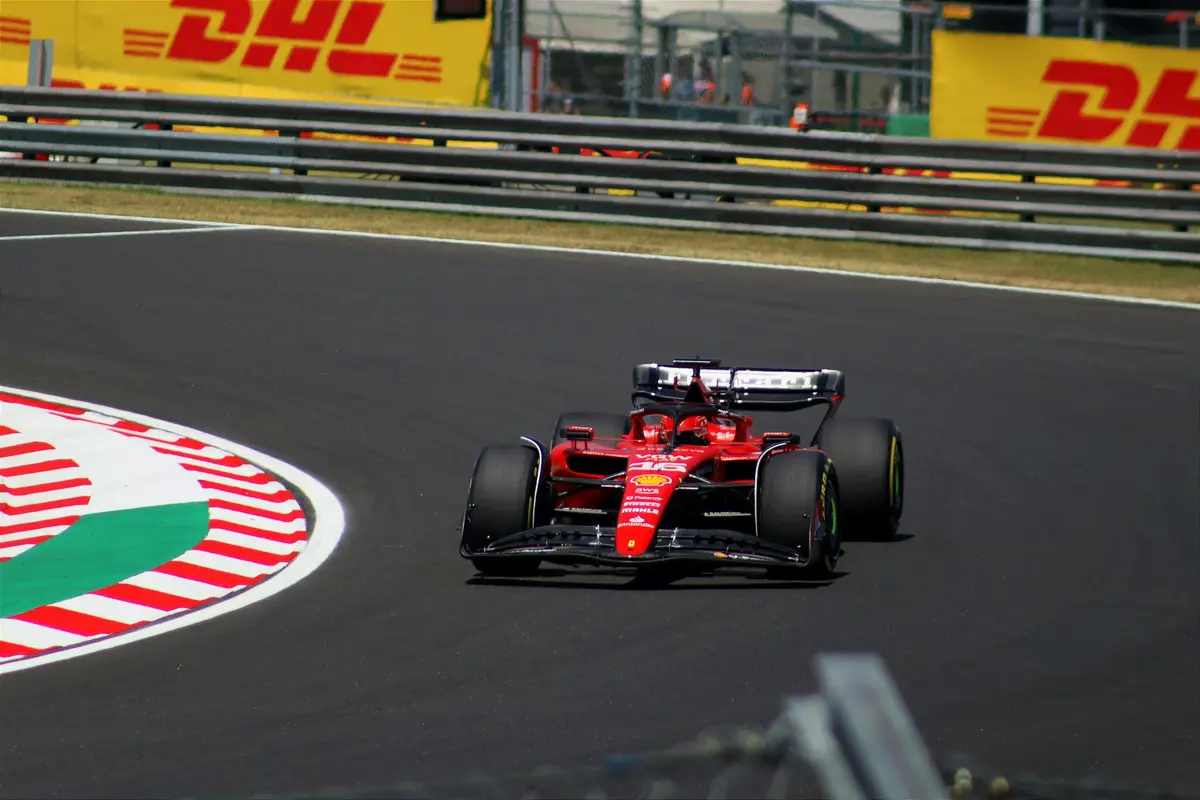
Ferrari Team Principal Fred Vasseur has officially confirmed that the Scuderia will arrive at the 2026 F1 Miami Grand Prix armed with a fresh package of upgrades for the SF-26. The announcement signals that Ferrari's engineers used the sport's recent Spring Break period productively, channelling development resources into tangible performance gains ahead of one of the most high-profile events on the 2026 calendar. For a team that entered this season under the glare of heightened expectation — particularly with Lewis Hamilton now in his second year alongside Charles Leclerc — the timing of the SF-26 Miami upgrades could prove pivotal in shaping Ferrari's championship trajectory.
Vasseur's confirmation is a clear indication that the Maranello operation is not standing still. In the ultra-competitive landscape of 2026 Formula 1, where new technical regulations have redefined car architecture and power unit philosophy, every development window matters. Ferrari's decision to bring an upgrade package specifically devised during the Spring Break underscores the factory's intensity of focus and the strategic importance the team places on the Miami event.
What the SF-26 Miami Upgrades Mean for Ferrari's 2026 Season
The confirmation of SF-26 Miami upgrades by Fred Vasseur is more than a routine pre-race bulletin. In the context of Formula 1's 2026 regulations — which introduced sweeping changes to aerodynamic philosophy, including active aero systems and an overtake boost mechanism — development cycles have become even more complex and compressed. Teams are navigating an entirely new design language, and any upgrade package that emerges from a focused development period carries significant weight.
For Ferrari specifically, the Spring Break window represented a rare opportunity to consolidate feedback from the opening races of 2026 and translate simulator and wind tunnel work into physical components. The Miami circuit, with its mix of high-speed straights, low-speed technical sections, and the now-established hard-braking zones, presents a varied aerodynamic and mechanical challenge. An upgrade package tailored with this circuit in mind — and beyond, given that parts introduced at Miami will typically remain on the car for subsequent events — could meaningfully shift Ferrari's competitive position.
Vasseur's public confirmation of the upgrades also serves a secondary, psychological purpose. In the information ecosystem of modern F1, acknowledging a development push projects confidence to rivals and reassures the team's stakeholders that the SF-26 programme is progressing on a defined trajectory. It is a measured, deliberate message from a team principal known for his calm, methodical approach to communication.
Fred Vasseur's Role in Ferrari's Development Culture
Since taking the helm at Ferrari, Fred Vasseur has worked to instil a culture of structured, data-driven development rather than reactive scrambling. His confirmation of Miami GP updates being devised specifically during the Spring Break reflects exactly this philosophy — planned development windows, targeted upgrades, and clear communication both internally and externally.
Vasseur's track record of building competitive operations, combined with the talent depth now present at Maranello, means that when the team principal flags an incoming upgrade package, the paddock takes notice. The Spring Break period — a scheduled gap in the racing calendar — is exactly the kind of structured window that a methodical operation like Ferrari under Vasseur exploits to maximum effect. Factory personnel, simulation engineers, and aerodynamicists all converge on specific development targets, and Miami now becomes the debut venue for that collective effort.
Hamilton, Leclerc and the Pressure of Expectation at Miami
The human dimension of these SF-26 Miami upgrades cannot be overstated. Charles Leclerc and Lewis Hamilton — two of the most decorated and demanding drivers in the paddock — will be the first to feel the effect of whatever Ferrari's engineers have produced. Hamilton, now in his second full season with the Scuderia after completing his first campaign in Ferrari red in 2025, has had the benefit of a full year to understand the team's working methods, the SF-26's characteristics, and the areas where performance is being left on the table.
Leclerc, meanwhile, remains one of the most naturally gifted qualifiers in Formula 1 and has consistently demonstrated an ability to extract performance from a car at the limit. For both drivers, incoming upgrades at Miami represent an opportunity to push for results at a venue that generates enormous global attention and carries substantial prize fund and commercial implications for the team.
The dynamic between Hamilton and Leclerc at Ferrari in 2026 adds another layer of intrigue to the upgrade story. Both drivers will be eager to demonstrate that the new components work in their favour, and the data gathered at Miami will inevitably inform further development directions for the remainder of the season.
Technical and Strategic Implications of the Miami Package
While the specific nature of Ferrari's SF-26 Miami upgrades has not been detailed publicly beyond Vasseur's confirmation, the strategic implications are clear. In the 2026 regulatory framework, where active aerodynamic systems add a layer of setup complexity that did not exist in previous seasons, development upgrades must be validated not just in isolation but in conjunction with the car's active aero logic and power unit deployment strategies.
Any aerodynamic upgrade introduced at Miami will interact with the SF-26's active aero system, meaning Ferrari's engineers must ensure the new components are compatible with and beneficial to the car's overall operating envelope across different circuit modes. This is a more intricate challenge than in previous regulatory eras, and the fact that the team has used a dedicated Spring Break period to develop these parts suggests a high degree of confidence in the correlation between factory simulation work and real-world performance.
From a strategic standpoint, introducing upgrades at Miami also means Ferrari gains crucial race mileage data on the new components before returning to European circuits. The learning gathered across Miami weekend — practice sessions, qualifying, and the race itself — feeds directly back into the development loop, accelerating the team's understanding of the SF-26's potential ceiling.
Key Takeaways
- Ferrari Team Principal Fred Vasseur has officially confirmed the SF-26 will receive performance upgrades at the 2026 Miami Grand Prix.
- The upgrade package was devised during Formula 1's Spring Break period, reflecting Ferrari's structured approach to planned development windows.
- Miami's varied circuit characteristics make it a strategically significant venue to debut new aerodynamic and mechanical components.
- Lewis Hamilton, in his second season at Ferrari, and Charles Leclerc will be the first to evaluate the upgraded SF-26 in competitive conditions.
- Under the 2026 technical regulations, upgrades must be validated in conjunction with the car's active aerodynamic systems, adding complexity to the development process.
- Data gathered from the Miami weekend will feed directly into Ferrari's ongoing 2026 development programme for subsequent events.
Frequently Asked Questions
What upgrades is Ferrari bringing to the 2026 Miami GP?
Ferrari Team Principal Fred Vasseur has confirmed that the SF-26 will receive upgrades at the 2026 Miami Grand Prix, with the package specifically developed during Formula 1's Spring Break period. The precise technical details of the upgrades have not been publicly disclosed beyond Vasseur's confirmation. The announcement signals that Ferrari's engineering team has used the scheduled development window to produce targeted performance improvements for the car.
Who confirmed the Ferrari SF-26 Miami upgrades?
The upgrades were confirmed by Ferrari Team Principal Fred Vasseur, who publicly acknowledged that the team had used the F1 Spring Break to develop new components for the SF-26. Vasseur's confirmation is significant given his measured and deliberate communication style, indicating a high level of confidence in the incoming package. It also reflects the team's broader philosophy of structured, planned development under his leadership.
How do the 2026 F1 regulations affect Ferrari's upgrade process?
The 2026 technical regulations introduced substantial changes to car architecture, including active aerodynamic systems and an overtake boost mechanism, which add complexity to the upgrade development process. Any new components must be validated not only for raw performance but for their compatibility with the SF-26's active aero logic and overall operating parameters. This makes planned development windows like the Spring Break even more valuable, as teams require focused, uninterrupted time to ensure new parts function correctly within the full system.
Why is the Miami Grand Prix an important event for Ferrari's 2026 season?
The Miami Grand Prix is one of the most commercially and competitively prominent events on the Formula 1 calendar, attracting significant global attention and carrying important championship implications. For Ferrari, introducing upgrades at Miami allows the team to gather real-world data on the new components across a varied circuit that features a mix of high-speed and technical sections. The information gathered during the Miami weekend will directly inform the team's development direction for the remainder of the 2026 season.
Conclusion
Fred Vasseur's confirmation of SF-26 Miami upgrades developed during the F1 Spring Break is a clear and purposeful statement of intent from Ferrari. In a 2026 season defined by sweeping technical change, intense competition across the grid, and the twin expectations that come with having Hamilton and Leclerc as your lead drivers, standing still is not an option. The Scuderia has used its scheduled development window wisely, and Miami now becomes the venue where the fruits of that work will be unveiled.
The SF-26 Miami upgrades matter not just for what they might deliver at a single event, but for what they represent: a Ferrari operation under Vasseur that is systematic, confident, and unwilling to cede ground in the 2026 constructors' fight. As the season intensifies and the gaps between the leading teams narrow, the ability to introduce timely, well-developed upgrade packages will be among the defining factors separating championship contenders from the rest. All eyes will be on Ferrari in Miami.
In this article
Written with AI assistance. How this site works
 Miami Grand Prix