Formula E Drivers Reveal FIA Stewarding Meeting Outcome 2026
Formula E drivers have revealed the outcome of a crunch FIA meeting held amid growing stewarding concerns during the 2025/26 Season 12 campaign.
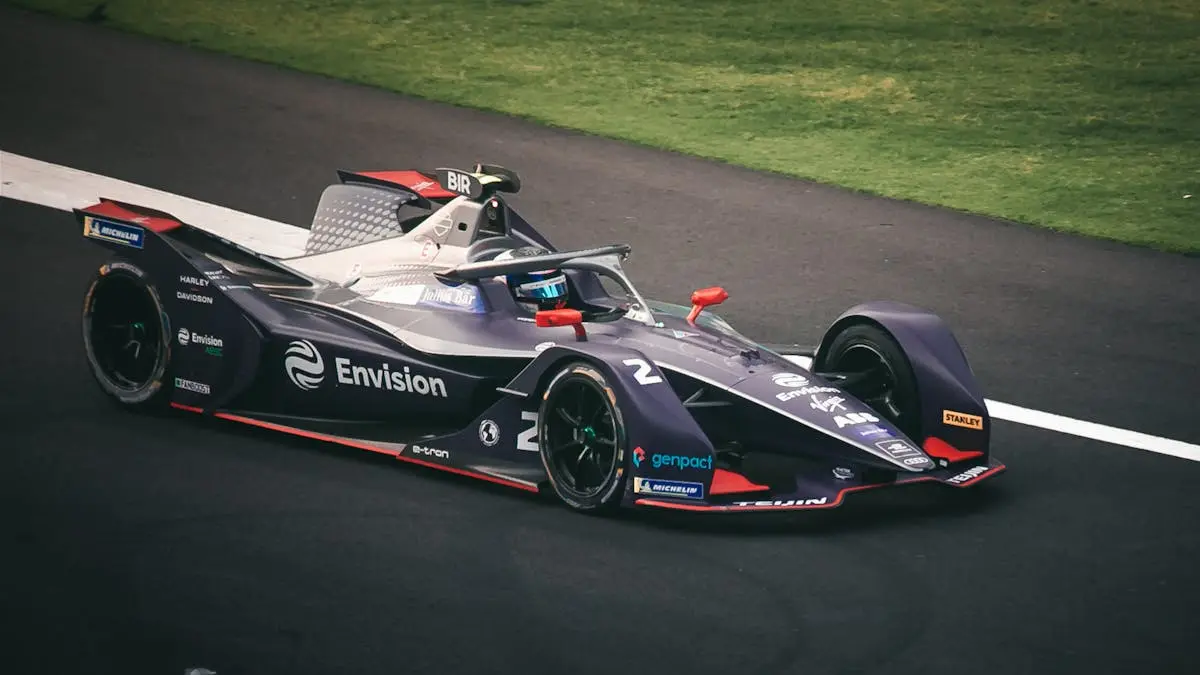
Formula E's driver community has broken its silence on a pivotal behind-the-scenes development in the 2025/26 season, revealing the outcome of what sources described as a crunch meeting with the FIA amid growing concerns over stewarding consistency. The disclosure, reported by Motorsport Week, signals a meaningful moment in the relationship between the sport's governing body and its competitors — one that could shape how incidents are judged and penalties are handed down for the remainder of Season 12 and beyond.
Stewarding controversies are not new to Formula E, but the decision by drivers to publicly acknowledge a formal FIA meeting underscores just how seriously the grid's competitors have taken the issue. In a championship where races are decided by fractions of a second, the margin between a podium and a penalty — or worse, disqualification — can determine an entire title campaign. Understanding what was discussed, what was agreed, and what it means for the sport going forward is essential for fans, teams, and technical analysts alike.
Inside the Crunch FIA Meeting: What Drivers Revealed
While the full details of the FIA meeting remain partially confidential, the drivers' willingness to speak publicly about its outcome reflects a collective desire for greater transparency in the stewarding process. Across multiple Formula E seasons, competitors have voiced frustration about what they perceive as inconsistent application of the rulebook — incidents that earn a penalty in one race going unpunished in another, or time penalties that appear disproportionate to the infringement committed.
The very fact that drivers convened with FIA officials in what has been characterised as a "crunch" meeting suggests the concerns had reached a critical threshold. This is not a routine debrief or a standard driver briefing — the language used implies urgency and a genuine desire on both sides to find resolution. Formula E's compact street circuits, with their narrow chicanes, tight hairpins, and limited overtaking zones, create a uniquely high-pressure stewarding environment. Incidents are frequent, the racing is close, and the consequences of a poorly-judged penalty reverberate through the championship standings immediately.
Drivers revealing the outcome of such a meeting publicly — rather than allowing it to remain a closed-door affair — is itself significant. It points to a driver community that is organised, vocal, and determined to influence the governance of the sport it competes in. In a season that has already produced intense on-track action across multiple continents, the pressure on stewarding to get decisions right has never been greater.
Why Stewarding Consistency Matters in Gen3 Evo Formula E
The Gen3 Evo car, which powers the 2025/26 Formula E season, is the most technically advanced machine the championship has produced. With 350kW of peak power (equivalent to roughly 470hp), active all-wheel drive available in qualifying, race starts, and ATTACK MODE, and Hankook-supplied tyres that demand careful management, the cars are faster and more reactive than ever before. That increased performance envelope means incidents happen faster, contact is harder to avoid, and the judgements required of stewards are correspondingly more complex.
ATTACK MODE — Formula E's signature strategic element — sends drivers off the racing line through an activation zone, which inherently creates moments of vulnerability and overlap between cars travelling at different speeds on different trajectories. Decisions about fault and blame in these moments require stewards who are deeply familiar with the nuances of the format. Any perception that such nuance is missing from decision-making undermines trust across the entire paddock.
The Championship Stakes in Season 12
Season 12 has produced a tightly contested championship battle, with multiple manufacturers and drivers carrying realistic title ambitions deep into the calendar. In a points structure where every position counts, a single contentious penalty can swing championship momentum dramatically. Teams investing significant resources in their Gen3 Evo programmes — from Jaguar TCS Racing and Porsche to the newer Lola Yamaha ABT outfit — have a commercial and sporting interest in stewarding that is predictable, fair, and clearly communicated.
Drivers such as Antonio Felix da Costa, Mitch Evans, Pascal Wehrlein, Oliver Rowland, and Jean-Eric Vergne — all experienced Formula E competitors with multiple seasons and in several cases championship titles on their CVs — carry the institutional knowledge to engage meaningfully with the FIA on these matters. When this calibre of competitor demands a formal meeting, it carries weight.
Context and Background: A Recurring Tension in Single-Seater Racing
The tension between drivers and stewarding bodies is not unique to Formula E. Across the FIA's portfolio — from Formula 1 to Formula 2 and beyond — drivers have periodically organised to challenge what they see as inconsistency or opacity in how the rules are applied. The establishment of the Drivers' Commission within FIA structures, and the increased dialogue between drivers and race directors in recent years, reflects a broader evolution toward more collaborative governance.
In Formula E specifically, the compact nature of the grid — just 22 drivers across 11 teams — means the community is tight-knit and communication flows quickly. A controversial decision in the first ePrix of a double-header weekend colours the mood and the risk appetite of drivers going into the second race. If drivers believe stewarding is unpredictable, they may race more conservatively, which paradoxically reduces the spectacular wheel-to-wheel action that makes Formula E compelling to audiences.
The FIA's willingness to convene this meeting and engage with driver concerns is a constructive signal. Governing bodies that listen — and are seen to listen — build the kind of trust that sustains competitive ecosystems. The drivers' decision to reveal the outcome, rather than dismiss the meeting as inconclusive, suggests something tangible was communicated and perhaps agreed upon.
Looking ahead to Gen4, which is set to arrive next season, establishing clear and consistent stewarding frameworks now will be critical. A new technical era brings new types of incidents, new performance differentials during the learning curve, and new grey areas that stewards will need to navigate. Building institutional confidence in the stewarding process during Season 12 is therefore not just about resolving present grievances — it is about laying the groundwork for the next chapter of the championship.
Technical and Strategic Implications
From a technical standpoint, the outcomes of this FIA meeting could influence how teams brief their drivers before races. If greater clarity has been achieved around, for example, the rules governing wheel-to-wheel contact in ATTACK MODE activation zones, or the standards applied to defending positions under braking in Formula E's typically narrow street circuit environments, then driver coaches and sporting directors can refine their race craft guidance accordingly.
Strategically, teams operating at the front of the championship — where every contested position has outsized points implications — will be monitoring any published clarifications from the FIA with close attention. Even informal guidance communicated through the drivers' meeting can shift the risk calculus around aggressive overtaking attempts or defensive manoeuvres.
There is also a broader reputational dimension for Formula E as a championship. With the series continuing to grow its global broadcast footprint and attract new commercial partners, the quality and consistency of on-track officiating is part of the product. Stewarding controversies that dominate post-race coverage detract from the performance narratives that the championship's marketing depends upon. A more structured and transparent FIA stewarding approach — if that is indeed what this meeting has advanced — serves the sport's commercial interests as much as its competitive ones.
Key Takeaways
- Formula E drivers publicly revealed the outcome of a formal meeting with the FIA over stewarding concerns, signalling an organised and unified approach from the grid's competitors.
- The meeting reflects deep-seated frustrations about perceived inconsistencies in how incidents are judged and penalised during the 2025/26 Formula E season.
- Gen3 Evo's technical complexity — including active AWD, ATTACK MODE dynamics, and 350kW performance — creates a uniquely challenging stewarding environment on tight street circuits.
- Greater stewarding transparency and consistency benefits not just competitors but Formula E's commercial and broadcast reputation as a global motorsport series.
- The willingness of the FIA to engage formally with driver concerns is a constructive step, with the dialogue also serving as preparation for the new technical era that Gen4 will bring next season.
- Teams and sporting directors may now refine pre-race driver briefings based on any clarifications or principles agreed in the meeting.
Frequently Asked Questions
What was the Formula E FIA stewarding meeting about?
The meeting, described as a crunch gathering between Formula E drivers and FIA officials, was convened amid growing concerns about stewarding consistency during the 2025/26 season. Drivers had expressed frustration over what they perceived as uneven application of racing rules, particularly in the uniquely challenging conditions of Formula E's street circuit events. The drivers subsequently revealed the outcome of the meeting publicly, suggesting a desire for greater transparency in the governance process.
Why is stewarding particularly contentious in Formula E?
Formula E races on temporary street circuits that are inherently narrow, with limited run-off and frequent close-quarters racing. The championship's ATTACK MODE mechanic forces drivers off the racing line through an activation zone, creating additional moments of vulnerability where contact and incident risks are elevated. Judging blame and fault in these circumstances requires specialist understanding of the format, and any perceived inconsistency can have significant consequences in a tightly fought championship.
How could this meeting affect the rest of the 2025/26 Formula E season?
If the meeting produced clearer guidance on how specific types of incidents will be assessed, teams can adjust their driver briefings and race strategies accordingly. Greater predictability in stewarding decisions reduces uncertainty for competitors and could encourage more confident — and therefore more entertaining — wheel-to-wheel racing in the remaining rounds of Season 12. It also sets a precedent for the collaborative governance approach that will be needed when the championship transitions to Gen4 machinery next season.
Which Formula E drivers were involved in raising stewarding concerns?
The source reporting does not identify specific individual drivers who led the push for the FIA meeting, referring broadly to Formula E drivers as a collective. Given the seniority and experience on the current grid — which includes multiple former champions and long-standing series competitors — it is likely the concerns were shared across teams and manufacturers rather than originating from a single quarter.
Conclusion
The revelation by Formula E drivers of what transpired in their crunch FIA meeting represents a meaningful moment in the governance of the championship. It reflects a driver community that is engaged, organised, and unwilling to accept opaque or inconsistent officiating as an inevitable feature of racing. More importantly, it suggests the FIA is listening — a constructive dynamic that serves everyone with a stake in Formula E's continued growth and credibility.
Season 12, powered by the Gen3 Evo platform, is at a stage where championship ambitions are crystallising and every stewarding decision carries heightened significance. If this meeting accelerates progress toward clearer, more consistent stewarding standards, its impact will be felt not just in the remainder of this season but in how the sport is governed into the Gen4 era and beyond.
As Formula E continues to position itself as a flagship for sustainable, high-performance motorsport, the integrity of its on-track officiating is inseparable from its broader mission. Drivers who feel heard, and fans who trust the decisions, are the foundation of a healthy competitive ecosystem — and that is precisely what this development, handled well, can help to build.
Written with AI assistance. How this site works