F1 2026 Season: Full Calendar Preview After Early Break
The 2026 F1 season is back in full swing after a brief pause following the opening three rounds, with a packed calendar and fierce competition ahead.
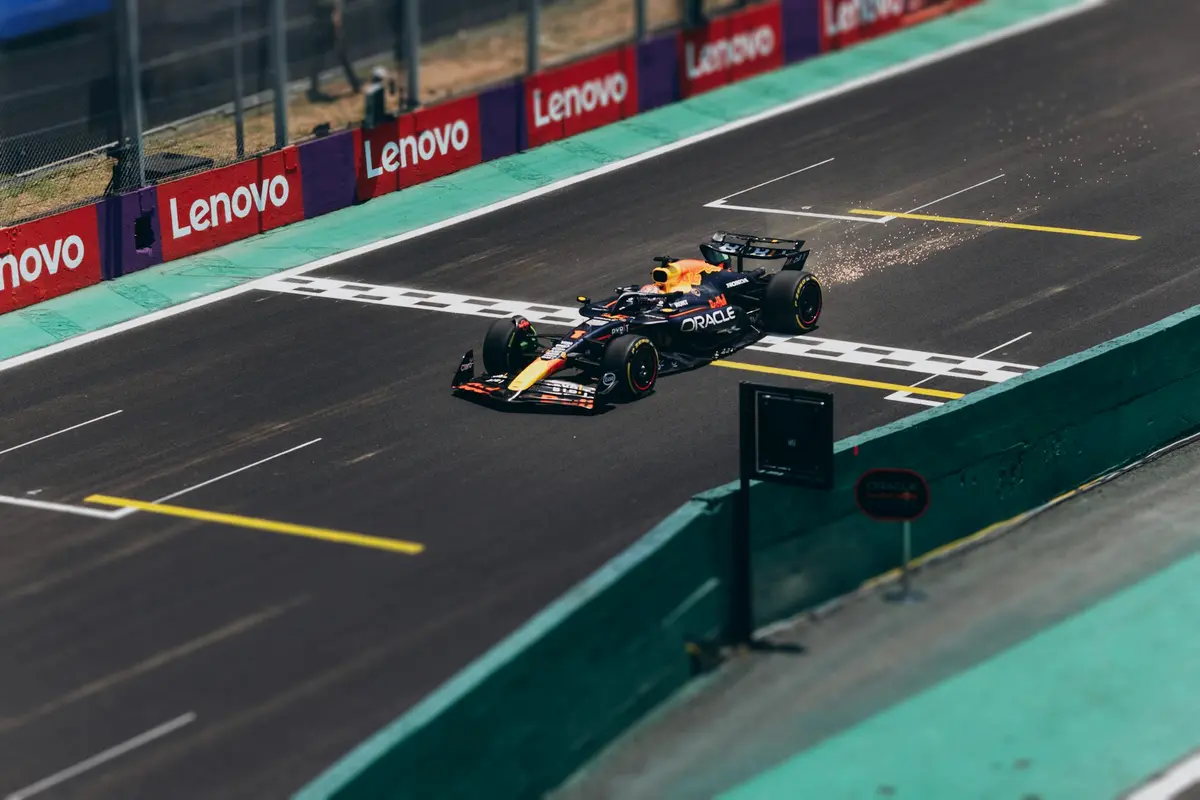
The 2026 Formula 1 World Championship has already delivered a thrilling opening act. After three action-packed rounds to kick off the new era, the season hit a brief scheduled pause — and now it is back in full swing with a packed calendar of exciting races still to come. For fans, teams, and drivers alike, the resumption of the 2026 season represents one of the most eagerly anticipated stretches of racing in recent memory, set against the backdrop of sweeping regulation changes, new team debuts, and a fiercely contested driver market that reshaped the grid over the past 12 months.
With the F1 2026 season now firmly underway again, this is the perfect moment to assess the landscape, understand what the early rounds have told us about the competitive order, and look ahead at what the remainder of the calendar has in store for every team from McLaren to the newly arrived Cadillac outfit.
The 2026 F1 Season Returns: What the Early Break Meant
It is not unusual for the Formula 1 calendar to feature a short breathing space after the opening cluster of races. In 2026, that pause arrived after just three rounds — a period that was nonetheless sufficient to produce significant storylines, early championship points, and enough on-track drama to fuel weeks of technical debate. The brief intermission gave every team a critical window: time to analyse data, upgrade components, and recalibrate strategies ahead of what promises to be a demanding run of grands prix.
For the engineering departments at teams across the paddock, these pauses are anything but a holiday. Under the 2026 technical regulations — which introduced a dramatically revised aerodynamic philosophy including active aero systems and the new overtake boost mechanism — the development rate has been particularly fierce. Teams that arrived at the season opener with interpretations of the regulations that did not fully deliver have been working around the clock to close the gap.
A New Era Demands Rapid Adaptation
The 2026 regulations represent the most significant overhaul Formula 1 has seen in years. The introduction of active aerodynamics, where bodywork articulates to reduce drag on straights and generate downforce through corners, has fundamentally changed how engineers approach car design. The overtake boost system — designed to encourage closer, more exciting racing — has added a new strategic dimension that drivers and race engineers are still fully exploring after just three competitive outings.
Teams that made bold design choices heading into the season are now discovering whether those bets are paying off. The early rounds provided real-world data that no amount of wind-tunnel or CFD simulation could fully replicate, and the brief hiatus gave every outfit the chance to act on what they learned before the calendar intensifies.
The Championship Picture After Three Rounds
Three rounds into the F1 2026 season, the championship standings are still wide open — exactly the kind of narrative that keeps fans engaged through a long and demanding calendar. The field features several genuine title contenders across multiple teams, reflecting the competitive convergence that the new regulations were specifically designed to encourage.
Max Verstappen, now in his tenth year with Red Bull and a four-time world champion, continues to be a benchmark figure on the grid. Alongside him, the McLaren pairing of Lando Norris and Oscar Piastri — who have developed a formidable working relationship — represent one of the strongest driver lineups in the paddock. At Ferrari, Lewis Hamilton is now in his second year with the Scuderia, having made the headline-grabbing switch from Mercedes ahead of the 2025 season, and Charles Leclerc remains one of the fastest qualifiers on any given Saturday.
Mercedes, meanwhile, has its own fascinating dynamic: George Russell leads the charge in what is now Andrea Kimi Antonelli's second season, the young Italian having graduated from a debut campaign that drew enormous attention in 2025.
Context and Background: A Grid Transformed for 2026
It is impossible to discuss the resumption of the 2026 F1 season without acknowledging just how much the grid itself has changed. The most headline-grabbing storyline of the off-season centred on the debut of two new or rebranded outfits that have already added fresh intrigue to the paddock.
Audi completed its full rebranding from Sauber, making 2026 the German manufacturer's true debut as a constructor in the sport. Nico Hulkenberg and Gabriel Bortoleto — now in his second season in Formula 1 — carry the hopes of a programme backed by one of the most powerful automotive groups in the world. Early reliability and performance will take time to mature, but Audi's long-term ambitions are unmistakable.
Perhaps even more significant in terms of grid narrative is the arrival of Cadillac as Formula 1's first new team in over a decade, making the 2026 grid an eleven-team affair for the first time in the sport's modern era. With Sergio Perez and Valtteri Bottas forming an experienced driver pairing, the American-backed outfit has brought a wealth of F1 knowledge to its debut campaign. Both drivers bring race-winning experience and the kind of measured technical feedback that a new team desperately needs.
Elsewhere, Isack Hadjar stepped up from Racing Bulls to partner Verstappen at Red Bull, filling the seat vacated by the reshuffle that continued to reshape the back half of the grid. Alpine's pairing of Pierre Gasly and Franco Colapinto, TGR Haas with Esteban Ocon and Oliver Bearman, and Racing Bulls with Liam Lawson and rookie Arvid Lindblad complete a grid that genuinely feels like one of the deepest in the modern era.
Technical and Strategic Implications for the Races Ahead
With the F1 2026 season now resuming in earnest, the strategic implications of the new regulations will only deepen as teams accumulate more data and refine their approaches. The active aerodynamic systems have already demonstrated the potential to create fascinating tactical variety between teams — some outfits have prioritised drag reduction for power-sensitive circuits, while others have focused on maximum mechanical grip for technical, low-speed layouts.
The overtake boost system adds another layer of complexity for race engineers managing energy deployment alongside tyre management. Three rounds in, patterns are beginning to emerge around when and how teams choose to deploy the boost — lessons that will compound across the remainder of the calendar as strategic databases grow richer.
Tyre strategy, always central to Formula 1, has been reframed by the interaction between active aero and compound degradation. Teams with cleaner, more efficient aerodynamic platforms tend to see reduced rear tyre wear — a compounding advantage that could prove decisive across long-haul races on circuits with high-energy corners.
Power unit performance, another area of intense development for 2026, continues to differentiate competitors at the top end of the grid. The new hybrid architecture introduced this season has levelled some of the playing field but created new development battlegrounds that will run through to the final race of the year.
Key Takeaways
- The 2026 F1 season resumed after a brief pause following the opening three rounds, with a packed and exciting calendar still ahead.
- The new active aerodynamics and overtake boost regulations continue to evolve as teams gather real-world competitive data.
- Cadillac's debut as the sport's eleventh team and Audi's full rebranding from Sauber represent the most significant grid-level changes in years.
- Lewis Hamilton is now in his second year at Ferrari, while Isack Hadjar has stepped up to Red Bull alongside four-time champion Max Verstappen.
- The championship picture remains genuinely open after three rounds, with multiple teams capable of challenging at the front.
- Strategic complexity around energy deployment, tyre management, and active aero will only deepen as the season progresses.
Frequently Asked Questions
Why did the 2026 F1 season have a break after three rounds?
The Formula 1 calendar routinely incorporates short pauses between early-season clusters of races, allowing teams time to develop and upgrade their cars based on real-world competitive data. In 2026, that pause arrived after the opening three rounds, giving every outfit a critical development window before the season resumed in full swing. These breaks are standard practice in the modern F1 calendar structure.
What are the biggest changes to the F1 grid for the 2026 season?
The 2026 season introduced two significant team-level changes: Audi debuted as a full constructor following its rebranding from Sauber, while Cadillac became Formula 1's eleventh team. On the driver side, Isack Hadjar was promoted to Red Bull alongside Verstappen, and Andrea Kimi Antonelli entered his second season at Mercedes after a notable debut year in 2025.
How do the 2026 active aerodynamics regulations affect racing?
The 2026 active aerodynamics rules allow car bodywork to adjust dynamically — reducing drag on straights to boost top speed and generating greater downforce in corners. This creates new strategic dimensions, as teams must tune their systems for the specific demands of each circuit. Combined with the overtake boost mechanism, the new rules were designed to encourage closer and more exciting wheel-to-wheel competition.
Is Lewis Hamilton's move to Ferrari still proving to be the right decision in 2026?
Hamilton completed his headline move from Mercedes to Ferrari ahead of the 2025 season, and he is now in his second year with the Scuderia in 2026. The initial adaptation period behind him, Hamilton brings a wealth of race-winning experience to a team with strong ambitions. How that partnership ultimately performs across the full 2026 season remains one of the most compelling narratives in the championship.
Conclusion
The resumption of the F1 2026 season after its brief early break marks the beginning of what promises to be the most consequential stretch of a truly landmark campaign. Three rounds in, the championship is already generating the kind of multi-team, multi-driver intrigue that the new regulations were specifically designed to produce. From the technical revolution of active aerodynamics to the historic arrivals of Cadillac and Audi, from Hamilton's ongoing Ferrari story to the emergence of a new generation of drivers pushing the sport's established hierarchy, the ingredients for a memorable season are all firmly in place.
As the calendar now unfolds in earnest, every race weekend will add fresh layers to a championship narrative that is far from written. Teams that used the break wisely will look to translate development gains into points on track, while those who arrived well-prepared will push to consolidate their early advantages. One thing is certain: the 2026 F1 season has only just begun to reveal its full potential, and the most exciting chapters are still to come.
In this article
Written with AI assistance. How this site works