Miami Grand Prix 2026: F1 Returns After Five-Week Hiatus
F1 returns at the Miami Grand Prix 2026 after an unprecedented five-week hiatus following the cancellation of Bahrain and Saudi Arabia due to Middle East conflict.
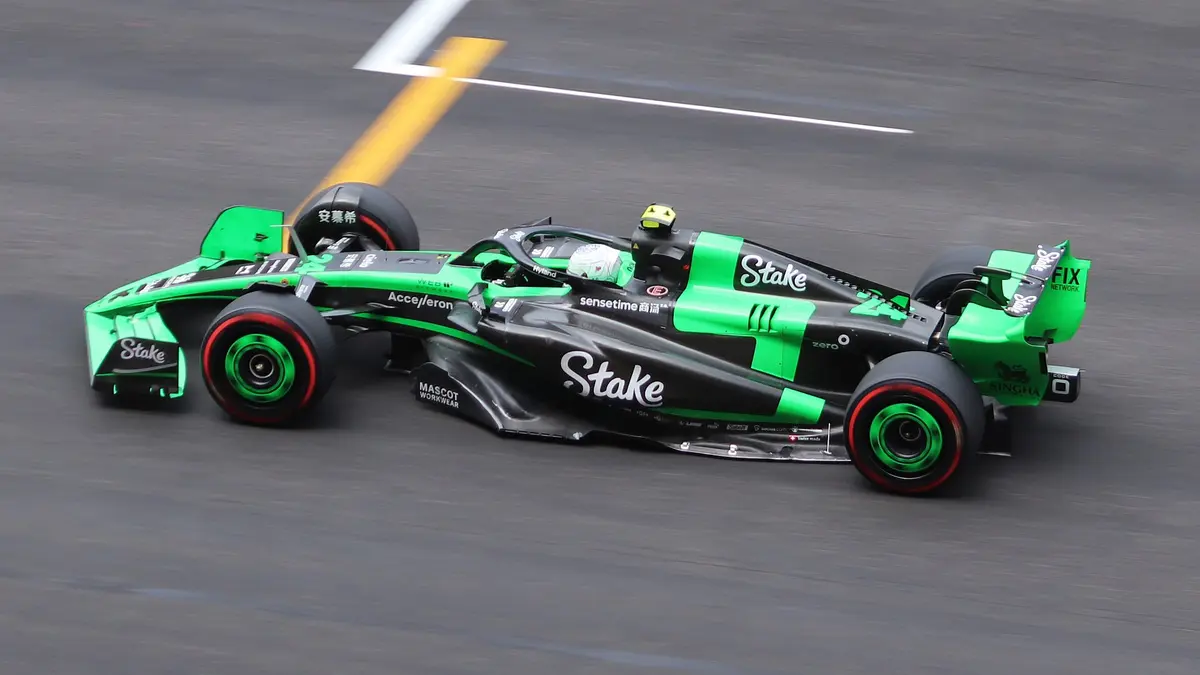
Photo: Liauzh / CC-BY-SA-4.0
Formula 1 finally returns to competitive action at the Miami Grand Prix 2026, ending an unprecedented five-week break that reshaped the early portion of the season calendar. The hiatus was forced upon the sport following the cancellations of the Bahrain and Saudi Arabian Grands Prix, both scrapped due to the ongoing conflict in the Middle East. For teams, drivers, and fans alike, Miami represents far more than just another race weekend — it marks the resumption of a season that has already been defined by disruption, adaptation, and uncertainty.
The 2026 Formula 1 season arrived with enormous expectations: sweeping new technical regulations, the debut of Cadillac as the grid's 11th team, and Audi's rebranded entry following their takeover of the former Sauber operation. That narrative momentum was abruptly interrupted before the season could truly find its rhythm. Now, with the calendar reshuffled and Miami elevated in significance, the paddock converges on Florida with renewed intensity — and a great deal of catching up to do.
The Five-Week Hiatus: What Happened and Why It Matters
The cancellations of the Bahrain and Saudi Arabian Grands Prix represent some of the most significant geopolitical disruptions in modern Formula 1 history. Both events were removed from the 2026 calendar due to the continuing conflict in the Middle East, a situation that left the FIA, Formula 1 management, and all ten — now eleven — competing teams scrambling to adjust logistics, schedules, and race strategies.
Five weeks without competitive action is genuinely unprecedented in the modern Formula 1 era, where the sport typically operates on a relentless back-to-back or sprint-style calendar. For engineers and strategists, the extended gap created an unusual dynamic: ample time for development and simulation work, yet an unsettling lack of real-world data from the new 2026 machinery. The 2026 regulations introduced sweeping aerodynamic and power unit changes, meaning teams were already working with relatively limited performance baselines even before the cancellations added further complexity.
For drivers, the psychological dimension of a five-week competitive void cannot be underestimated. Rhythm and confidence are critical in Formula 1, particularly under a new regulatory framework where car characteristics are still being understood. Some drivers will have used the time productively in the simulator; others will have found the wait intensely frustrating.
Calendar Reshuffling and Its Downstream Effects
The removal of Bahrain and Saudi Arabia from the calendar does not simply create two blank weekends — it ripples across the entire season structure. Logistics chains, freight schedules, hospitality commitments, and broadcasting arrangements all required urgent renegotiation. The 2026 calendar was already one of the most ambitious in the sport's history, and compressing its remaining rounds or redistributing its load adds operational pressure that every team and F1's commercial infrastructure must absorb.
Miami, therefore, arrives not just as the next race on the schedule but as the de facto season opener for the vast majority of teams, given the unique significance of the two cancelled rounds. The pressure to perform — and to extract meaningful performance data from the new 2026 cars — is higher than it would be at a typical round five or six of a standard season.
The 2026 Regulations: A New Formula Faces Its First Real Test
Miami 2026 is not merely a return from a break — it is a critical stress test for the most radical regulatory overhaul Formula 1 has seen in years. The 2026 technical regulations introduced a fundamentally revised aerodynamic philosophy, with active aerodynamics and a new power unit formula combining sustainable fuel technology with redesigned hybrid systems. Teams arrived at the start of the season with varying degrees of confidence in their interpretations of the new rules, and the condensed early calendar means that Miami carries outsized importance for establishing the genuine competitive hierarchy.
For the established front-runners, the Miami Grand Prix 2026 offers an opportunity to consolidate early momentum. McLaren, with Lando Norris and Oscar Piastri, enters as one of the teams widely regarded as having made a strong start to the regulation cycle. Ferrari, with Charles Leclerc and Lewis Hamilton now in his second year with the Scuderia, will be eager to demonstrate that their 2026 package has matured since Hamilton's arrival reshaped the team's technical and commercial identity.
Red Bull, led by four-time champion Max Verstappen alongside rookie promotion Isack Hadjar, faces the peculiar challenge of defending an era of dominance under a ruleset that was explicitly designed to rebalance the competitive order. Mercedes, with George Russell and second-year driver Andrea Kimi Antonelli, carry the institutional knowledge of a team that has navigated regulation changes more successfully than almost any other in the sport's history.
New Entrants Under the Spotlight
Two of the most compelling storylines entering Miami belong to the grid's newest operations. Cadillac, making their Formula 1 debut as the eleventh team in 2026, arrived at the season with Sergio Perez and Valtteri Bottas as their driver pairing — a combination of experience and racecraft that reflects the team's pragmatic approach to their inaugural campaign. After five weeks without race data, Miami is effectively their real competitive debut in meaningful conditions.
Audi, having rebranded from Sauber for the 2026 season, field Nico Hulkenberg and Gabriel Bortoleto. The German manufacturer's entry carries enormous long-term significance for the sport, and Miami represents an important early opportunity to demonstrate that their technical program is progressing on schedule.
Miami as a Circuit: Strategic and Technical Considerations
The Miami International Autodrome, set within the Hard Rock Stadium complex, presents a distinctive set of technical challenges that will interact in fascinating ways with the new 2026 machinery. The circuit's combination of high-speed sections, tight technical sectors, and the unique surface characteristics of its purpose-built layout demand a carefully balanced aerodynamic setup — a particularly nuanced task when engineers are still refining their understanding of how the new active aero systems perform across different circuit typologies.
Tyre management has historically been a differentiating factor at Miami, and in 2026 that dynamic is likely to be amplified by the new power unit's energy deployment characteristics. The overtake boost system available under the 2026 regulations adds a further strategic dimension, giving drivers a deployable performance tool that will influence both offensive and defensive racecraft throughout the grand prix.
The Florida heat and humidity represent a significant additional variable. Thermal management of the 2026 power units — featuring new hybrid architecture — will be closely monitored by all teams, and the conditions at Miami will provide valuable data for the European and Asian circuits to follow.
Championship Implications of an Unusual Season Start
With two rounds already cancelled, the 2026 World Championship standings carry a compressed, high-stakes quality that is unusual even by Formula 1's dramatic standards. Every point scored at Miami carries proportionally greater weight in the context of a shortened points-available total, and teams and drivers who have been building toward this weekend will be acutely aware of that mathematical reality.
The driver and constructor championship battles are, in effect, being reset here in Florida. Teams that have genuinely cracked the 2026 regulations will begin to pull away; those still chasing performance will find the gap harder to close as the season accelerates toward its European phase.
Key Takeaways
- The Miami Grand Prix 2026 marks F1's return after an unprecedented five-week hiatus caused by the cancellation of the Bahrain and Saudi Arabian Grands Prix due to Middle East conflict.
- The 2026 season calendar has been reshuffled, elevating Miami's strategic and championship importance significantly above a typical mid-season round.
- The new 2026 technical regulations — featuring active aerodynamics, revised hybrid power units, and the overtake boost system — face their most meaningful real-world examination yet at Miami.
- Cadillac and Audi, the grid's newest operations in 2026, treat Miami as a pivotal early benchmark for their respective competitive programs.
- Championship mathematics have been altered by the missing rounds, meaning every point at Miami carries elevated weight for both the drivers' and constructors' titles.
- The Florida heat, humidity, and unique circuit characteristics add further complexity for teams still learning their new 2026 machinery.
Frequently Asked Questions
Why was there a five-week break before the 2026 Miami Grand Prix?
The five-week hiatus ahead of the Miami Grand Prix 2026 was caused by the cancellation of both the Bahrain and Saudi Arabian Grands Prix, which were removed from the calendar due to the ongoing conflict in the Middle East. Formula 1 management and the FIA responded by reshuffling the 2026 calendar, making Miami the effective resumption point of competitive action for the season.
How does the five-week gap affect the 2026 F1 championship standings?
With two rounds cancelled, the total points available across the 2026 season has been reduced, meaning each remaining race — including Miami — carries greater proportional weight in the championship. Teams and drivers competing at Miami are effectively working with a compressed and higher-stakes points structure than in a standard full-calendar season.
What are the key technical challenges at the Miami Grand Prix under the 2026 regulations?
The 2026 regulations introduce active aerodynamics and a revised hybrid power unit architecture, both of which interact in complex ways with Miami's combination of high-speed and technical sections. Tyre management, thermal control of the new power units in Florida's heat, and strategic use of the 2026 overtake boost system are all expected to be significant differentiating factors across the race weekend.
Which teams and drivers are expected to be most competitive at Miami in 2026?
Based on the competitive landscape entering the 2026 season, McLaren, Ferrari, Red Bull, and Mercedes are expected to lead the field, though the new regulations have created genuine uncertainty about the precise order. Cadillac and Audi, as new and rebranded entrants respectively, will be focused on building on their early-season data and establishing reliable performance benchmarks at Miami.
Conclusion
The Miami Grand Prix 2026 arrives carrying a weight of significance that transcends its position on any ordinary race calendar. It is the end of a forced silence, the resumption of a season disrupted by events far beyond the sport's control, and the beginning of what promises to be an exceptionally competitive and unpredictable championship battle under Formula 1's most ambitious regulatory framework in a generation.
For the drivers, teams, engineers, and millions of fans who have waited through five weeks of competitive absence, Miami is not just another grand prix — it is the moment the 2026 season truly begins. The new cars, the new rules, the new teams, and the reshuffled calendar all converge on the Hard Rock Stadium complex for a weekend that will resonate through the rest of the year. Every qualifying lap, every strategy call, and every overtake will carry the accumulated weight of everything that was lost when Bahrain and Saudi Arabia went dark.
Formula 1 is back. And in 2026, after everything the sport has navigated to reach this point, that matters more than ever.
In this article
Written with AI assistance. How this site works