Track Layout
Red Bull Ring

Red Bull Ring
Track Sectors
Uphill run to Turn 1, a heavy braking zone, then the climb over the crest to Turn 3 — one of the biggest overtaking chances on the calendar.
Downhill through Turns 4, 5 and 6 — short, sharp direction changes with plenty of elevation to manage.
A tight final sector feeding a long flat-out run to the line — slipstreams decide qualifying and the final lap.
About Red Bull Ring
The Red Bull Ring is the shortest lap of the season and one of its most picturesque, cut into the hillsides of Styria in southern Austria. With only 10 corners over its 4.3-kilometre layout, it feels compact on television — but the elevation change per lap is among the largest in F1, with the climb from the pit exit up to Turn 3 visible from most of the grandstands.
Short lap times and two long straights with DRS zones mean Austrian qualifying sessions can get crowded very quickly. The combination of uphill hairpins, a flat-out middle sector and close run-off has made the Red Bull Ring one of the best overtaking venues currently on the calendar, even for modern Formula 1 cars.
Recent Grand Prix Winners
Circuit History
The circuit occupies land that previously hosted the longer Österreichring and, before that, the Zeltweg aerodrome track. It was rebuilt as the A1-Ring in 1997 and hosted F1 until 2003, before closing for a decade. Red Bull's Dietrich Mateschitz rebuilt and reopened the venue as the Red Bull Ring in 2014, and the Austrian Grand Prix has been a fixture ever since.
Latest from Austria
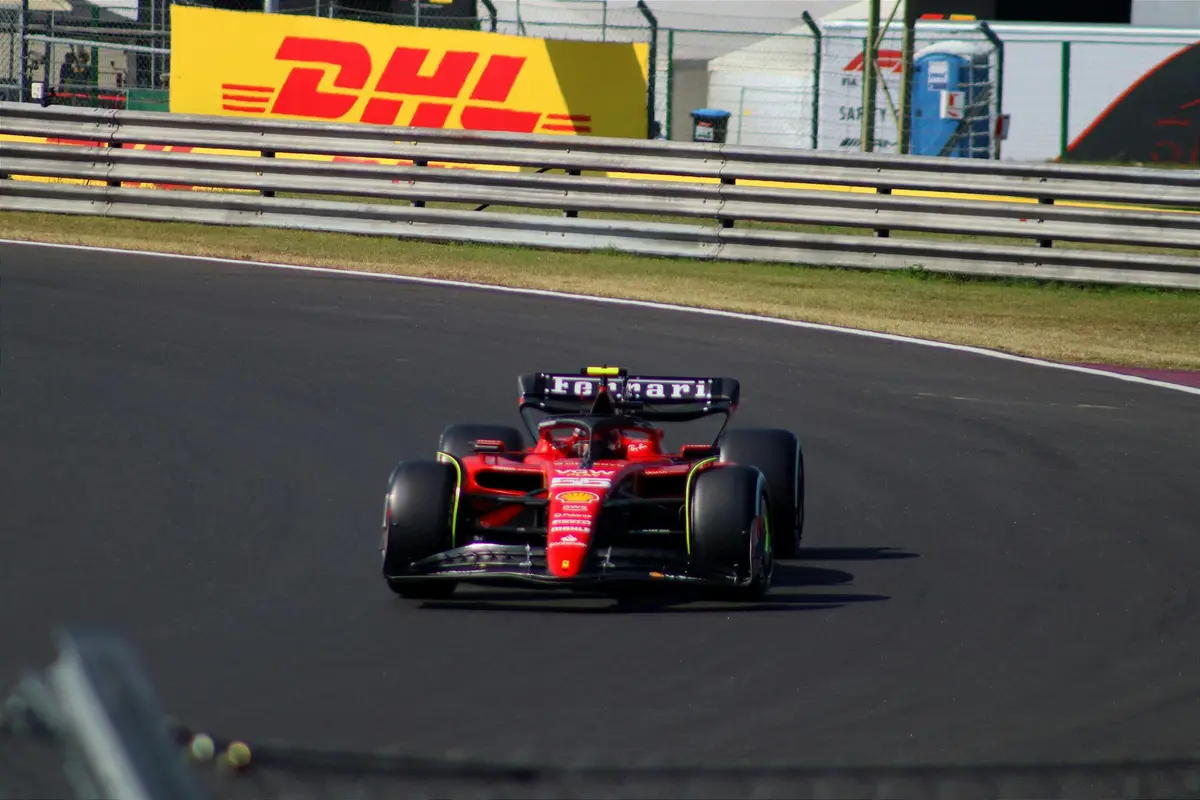
Austria 2002 Ferrari Team Orders: F1's Most Controversial Race
Austria 2002 remains F1's most controversial race — Ferrari's team orders scandal, a million-dollar fine, and one journalist's unforgettable trackside debut at the Jochen Rindt Kurve.
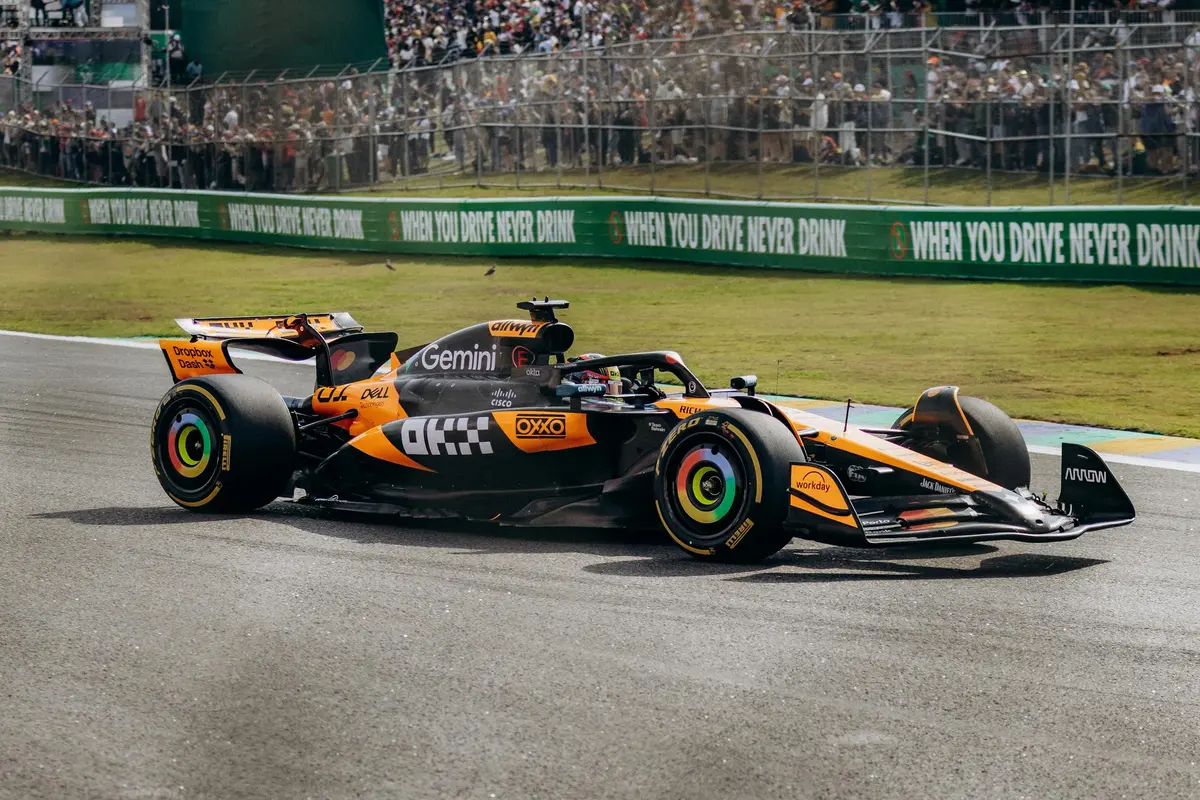
Ella Hakkinen Single-Seater Debut at Red Bull Ring
Ella Hakkinen, daughter of F1 legend Mika, made her single-seater debut at the Red Bull Ring, qualifying sixth on a 27-car Formula 4 grid.