Aston Martin Team Principal Crisis: Missing the Real Problem?
The Aston Martin team principal debate dominates F1 2026 headlines — but could it be masking a far deeper structural crisis at the Silverstone outfit?
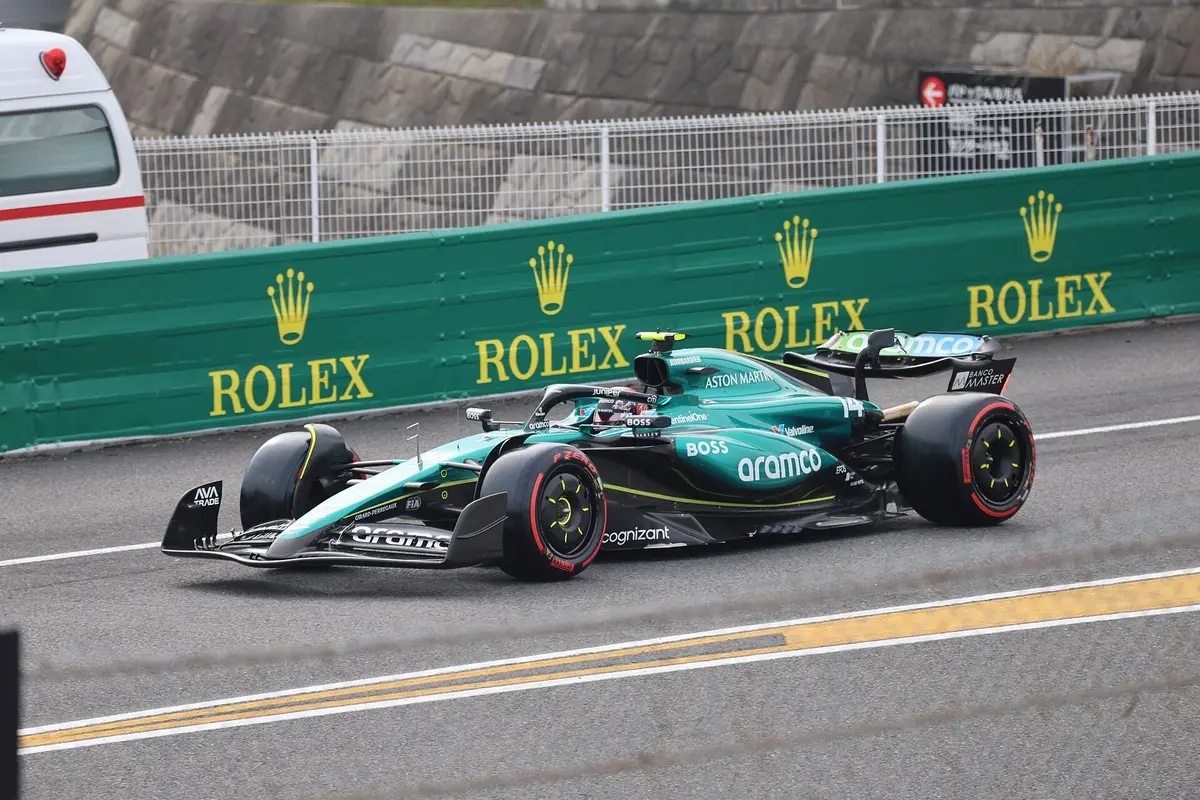
Photo: Cineyas / CC-BY-SA-4.0
The question of who should lead Aston Martin as team principal has become one of the defining narratives of the 2026 Formula 1 season. Speculation is rife, opinions are loud, and the paddock is buzzing with names, theories, and predictions. But amid all the noise, a more uncomfortable question is beginning to surface: is the entire debate about a team principal simply a distraction from Aston Martin's deeper, more structural problems?
That is the provocative question being raised in the current discourse around the Silverstone-based outfit, and it deserves serious, considered analysis. Finding the right team principal is, of course, critically important for any Formula 1 team. Leadership defines culture, strategy, and direction. But when a team is underperforming at a fundamental level, no single hire — however brilliant — can paper over the cracks without the underlying issues being confronted and resolved.
In 2026, Aston Martin finds itself navigating one of the most technically demanding regulatory overhauls in the sport's modern history. Active aerodynamics, the new power unit regulations, and a fundamentally different chassis philosophy have reshuffled the competitive order. For a team that was climbing toward the front of the grid, the pressure to deliver has never been greater. The team principal conversation, while legitimate on its surface, may be obscuring the harder questions that Aston Martin's leadership — and its billionaire backer Lawrence Stroll — must confront.
The Aston Martin Team Principal Debate: What's Actually Being Said
The current discourse around the Aston Martin team principal role reflects a broader anxiety about the team's trajectory. There is genuine uncertainty about who is best placed to lead the outfit through this transformative period in Formula 1. The 2026 regulations represent the biggest reset the sport has seen in years, and every team is fighting to establish themselves under the new framework.
Leadership continuity is a genuine concern. Teams that have thrived in Formula 1's recent history — McLaren, Ferrari, Red Bull at their respective peaks — have done so with stable, empowered leadership structures where the team principal has both operational authority and strategic vision. When that leadership is unclear or contested, the effects cascade downward through every department.
But the critical point being raised is that the conversation about the Aston Martin team principal may be focusing on a symptom rather than the disease. In other words, even if Aston Martin installs the most highly regarded team principal available, they will inherit a set of challenges that go far beyond leadership style or personnel decisions.
Why Leadership Alone Cannot Solve Structural Problems
Formula 1 teams are extraordinarily complex organisations. At the top level, competitive success is the product of hundreds of interlinked decisions across aerodynamics, power unit performance, logistics, driver management, strategic calling, and financial planning. A team principal sets the tone and makes the critical calls, but they are only as effective as the infrastructure, talent, and processes beneath them allow.
For Aston Martin in 2026, the structural questions are significant. The team has invested heavily in its Silverstone campus and its technical workforce over recent years. Yet investment alone does not guarantee performance. The transition to 2026 regulations — which include a fundamental rethink of aerodynamic philosophy with active aero systems and a new hybrid power unit formula — has exposed gaps at multiple teams, and Aston Martin is not immune to those pressures.
If the technical direction is misaligned, if the development pipeline is producing the wrong answers, or if cultural issues within the organisation are preventing the best ideas from rising to the top, then the identity of the team principal becomes almost secondary. These are the kinds of root-cause problems that require honest internal assessment, not just a high-profile appointment.
Fernando Alonso and Lance Stroll: The Driver Dimension
Any analysis of Aston Martin's current situation must acknowledge the driver pairing of Fernando Alonso and Lance Stroll. Alonso remains one of the most analytically rigorous and demanding drivers in the paddock — a two-time world champion whose feedback and development input are invaluable assets when a team is trying to find performance. His presence means that whatever leadership and technical issues exist within the team, there is no shortage of elite-level driver intelligence being fed back from the cockpit.
Lance Stroll, meanwhile, occupies a unique position as the son of team owner Lawrence Stroll. That dynamic has always added a layer of complexity to Aston Martin's internal politics, and it inevitably intersects with any conversation about the team principal role. The person who leads the team must be able to navigate that dynamic with confidence and diplomacy — a requirement that narrows the field of truly suitable candidates considerably.
Context and Background: Aston Martin's 2026 Challenges
To understand why the Aston Martin team principal debate matters — but also why it risks missing the point — it is essential to appreciate the broader context in which the team is operating in 2026.
The 2026 Formula 1 season introduced the most significant regulatory overhaul in recent memory. The new power unit regulations, combined with the introduction of active aerodynamics and a revised overtake boost system, have fundamentally altered the performance landscape. Teams that were dominant under the previous framework have had to rebuild their understanding of car design from the ground up. This has created genuine volatility in the competitive order — and genuine opportunity for teams willing to commit to the right technical direction.
Aston Martin entered this period with significant resources at their disposal. The Silverstone campus expansion, the recruitment of top-tier technical personnel in previous seasons, and the financial backing of Lawrence Stroll positioned the team as one of the more credible candidates to make a step forward in the new era. The expectation — internally and externally — was that 2026 could represent a watershed moment for the team's ambitions.
Against that backdrop, questions about the team principal role are naturally amplified. The stakes are high, the window of opportunity created by the new regulations is real but finite, and the margin for error is minimal. Every week of uncertainty at the leadership level is a week in which direction, resource allocation, and team morale could be drifting.
Yet the deeper point remains: if Aston Martin's performance issues stem from technical and structural shortcomings rather than purely from leadership, then even resolving the team principal question will not be enough on its own. The two challenges must be addressed in parallel, not sequentially.
Technical and Strategic Implications for Aston Martin
From a technical perspective, the 2026 regulations place an enormous premium on integrated thinking between the power unit, aerodynamic package, and chassis. The active aero systems demand a level of software and systems engineering sophistication that is new territory for many teams. The teams that are thriving in this environment — those who appear to have grasped the fundamental philosophy of the new regulations most effectively — have done so through a combination of strong technical leadership and organisational clarity.
For Aston Martin, the strategic implication is clear: the appointment of a team principal must be accompanied by an honest audit of the technical programme. Is the car's development direction producing consistent improvements? Is the aerodynamic philosophy aligned with what the 2026 regulations reward? Is there cohesion between the various technical departments, or are there internal silos that are slowing progress?
These are not questions that a new team principal can answer on day one. But they are questions that must be part of the brief from the moment any new leader walks through the door. A team principal hired without a clear mandate to address structural issues will inevitably find themselves managing symptoms rather than curing the underlying condition.
The 2026 season represents a genuine inflection point for Aston Martin. The decisions made in the coming weeks and months — not just about leadership, but about technical direction, organisational structure, and strategic priorities — will define whether this team becomes a genuine front-runner or settles into the role of a well-funded midfield outfit with unfulfilled potential.
Key Takeaways
- The team principal debate is real but potentially misleading: While leadership is crucial, focusing solely on the team principal role may distract from Aston Martin's deeper structural and technical challenges.
- 2026 regulations are a leveller — and a pressure test: The new active aero and power unit rules have reset the competitive order, raising the stakes for every team's decision-making under the new framework.
- Alonso's presence is an asset, but not a solution: Fernando Alonso's elite-level feedback is invaluable, but no driver — however experienced — can substitute for sound organisational and technical leadership.
- The Lance Stroll dynamic adds complexity: Any incoming team principal must be able to manage the unique internal politics created by the owner-driver relationship within the team.
- Root-cause analysis is essential: Aston Martin must conduct an honest internal audit of its technical programme alongside any leadership appointment to ensure the new principal has both the mandate and the tools to drive genuine progress.
- The opportunity window is narrow: New regulations create temporary competitive volatility that rewards decisive action; prolonged uncertainty at the leadership level risks squandering a rare chance to make a step forward.
Frequently Asked Questions
Why is there so much discussion about the Aston Martin team principal role in 2026?
The 2026 Formula 1 season has brought sweeping regulatory changes that have reshuffled the competitive order, intensifying scrutiny on every team's leadership and direction. Aston Martin has significant resources and ambitions, making the identity and mandate of their team principal a focal point for analysts and fans alike. The uncertainty surrounding the role has amplified broader concerns about the team's ability to capitalise on the new regulatory era.
Could a new team principal alone fix Aston Martin's problems in 2026?
Leadership is a critical factor in any team's success, but a team principal operates within the constraints of the organisation beneath them. If Aston Martin's challenges are rooted in technical misdirection, process inefficiencies, or structural issues, then a leadership change alone is unlikely to produce the desired results. The appointment must be paired with a clear-eyed assessment and reform of the underlying programme.
How do the 2026 F1 regulations affect Aston Martin's situation?
The 2026 regulations — featuring active aerodynamics, a new hybrid power unit formula, and revised overtake boost systems — represent the most substantial rule change in recent memory. This regulatory reset creates both opportunity and risk for a team like Aston Martin: a chance to leapfrog established rivals if the new rules are interpreted correctly, but also the danger of compounding existing weaknesses if the technical direction is misaligned from the outset.
How does the Fernando Alonso and Lance Stroll pairing influence Aston Martin's leadership dynamics?
Alonso's seniority and technical demands create a high-performance benchmark that any team principal must be equipped to support and manage. Stroll's position as the team owner's son introduces a dimension of internal politics that is unique in the paddock, and navigating that relationship effectively is an implicit requirement for anyone taking on the leadership role. The right candidate must command the respect of both drivers while maintaining clear authority over the sporting and technical programme.
Conclusion
The Aston Martin team principal debate is, at its core, a legitimate and important conversation. Leadership matters enormously in Formula 1, and the identity of the person steering the Silverstone outfit through the 2026 regulations will have a genuine bearing on the team's trajectory. Nobody should dismiss the significance of getting that appointment right.
But the most incisive observation in the current discourse is that this conversation may be obscuring something more fundamental. If Aston Martin's challenges run deeper than leadership — if they are rooted in technical direction, organisational culture, or structural inefficiency — then the team principal question, however it is resolved, will only be the beginning of the work required.
The 2026 season is a rare opportunity. New regulations have levelled the playing field in ways that do not come around often. For Aston Martin to seize that opportunity, they need not just the right leader, but a comprehensive reckoning with every layer of the organisation. The noise around the team principal role is understandable, but the silence around the harder questions is where the real story lies.
Whether Aston Martin's ownership and leadership have the clarity and courage to address both simultaneously will determine far more about this team's future than any single hiring decision ever could.
Written with AI assistance. How this site works