Toto Wolff Urges F1 Rethink After Bearman's 50G Japan Crash
Toto Wolff has called for decisive F1 regulatory action after Oliver Bearman's frightening 50G crash at the Japanese Grand Prix, warning against dismissing the incident.
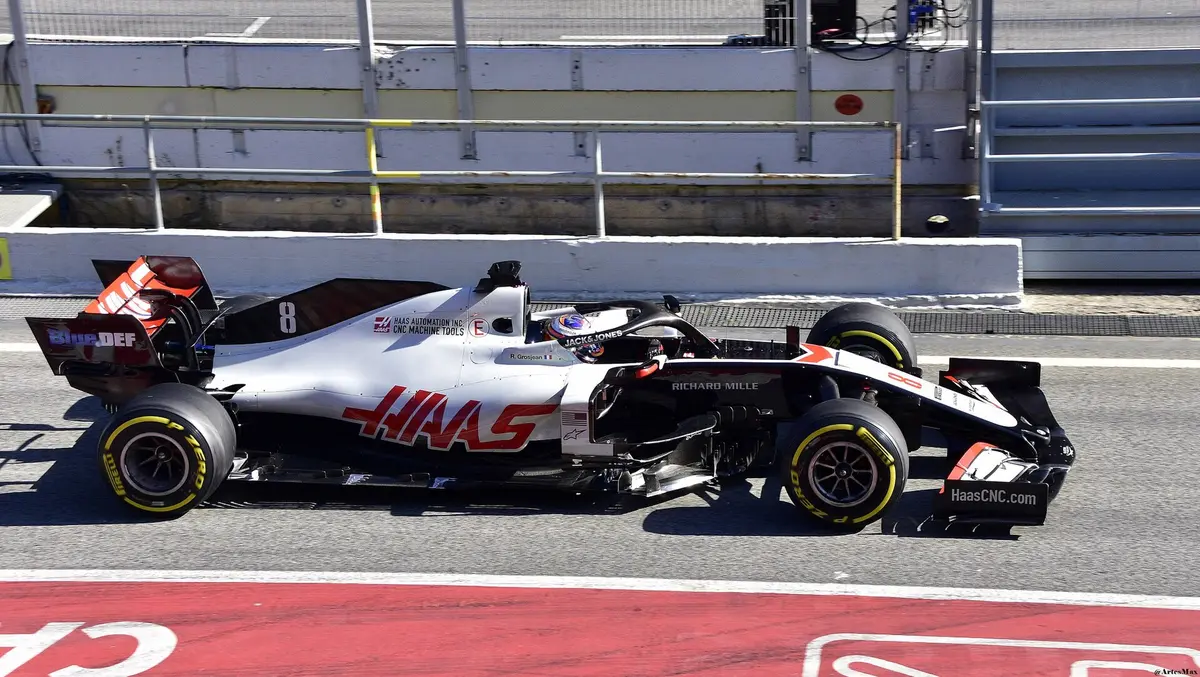
Mercedes team principal Toto Wolff has called on Formula 1's governing bodies to treat Oliver Bearman's extraordinary 50G crash at the Japanese Grand Prix as a serious wake-up call, urging decision-makers not to dismiss the incident as a freak occurrence. Speaking with characteristic directness, Wolff invoked the imagery of a 'baseball bat' to describe the kind of blunt, immediate regulatory response he believes the sport now requires in the wake of one of the most violent impacts seen in recent F1 history.
What Happened: Bearman's 50G Impact at the Japanese GP
Oliver Bearman, the young TGR Haas driver who has quickly established himself as one of the most promising talents on the 2026 Formula 1 grid, suffered a frightening crash at the Japanese Grand Prix that registered a peak force of 50G — a figure that places it among the most severe recorded impacts in the modern era of the sport. While Bearman emerged from the incident without life-threatening injuries, the sheer violence of the crash understandably sent shockwaves through the paddock and reignited longstanding debates about circuit safety, barrier technology, and car survival structures under the 2026 technical regulations.
The crash was widely described as a 'freak' event — a combination of circumstances unlikely to be repeated under normal racing conditions. However, it is precisely that characterisation that Toto Wolff has pushed back against. In his view, labelling an incident as anomalous is not a justification for inaction; if anything, it is an argument for proactive reform before the next anomaly occurs.
Wolff's 'Baseball Bat' Call: What Does It Mean for F1 Regulations?
Wolff's 'baseball bat' metaphor is a pointed one. It suggests that the sport should not respond to a 50G impact with incremental tweaks or nuanced committee discussions — it should respond with decisive, forceful regulatory action. This framing aligns with a broader philosophy that has gained traction in F1 safety circles: that reactive safety improvements, however well-intentioned, are inherently slower than the pace at which accidents can evolve.
The 2026 Formula 1 season has already introduced sweeping technical changes, including the new active aerodynamics framework and the overtake boost system, which have fundamentally altered car behaviour at high speed. Critics have suggested that as power units and aerodynamic philosophies evolve rapidly, the safety envelope must be stress-tested and updated with equal urgency. Wolff's comments appear to directly reinforce this argument.
Specifically, the areas likely to come under renewed scrutiny following Bearman's crash include Tecpro and tyre wall barrier placement at circuits like Suzuka, the integrity of side-impact protection structures under the 2026 chassis regulations, and whether the FIA's current threshold for mandatory safety reviews is set at an appropriately sensitive level. A 50G impact that is dismissed as a 'freak' event today could serve as the precursor to a far more serious incident tomorrow if the underlying track or car conditions are not addressed.
Oliver Bearman in 2026: A Talent Worth Protecting
The human dimension of this story cannot be overlooked. Bearman, who graduated to a full-time TGR Haas seat for the 2026 season alongside Esteban Ocon, has been one of the most talked-about young drivers in the paddock. His trajectory — having impressed in limited prior appearances — made his promotion one of the most anticipated storylines of the new campaign. A 50G crash at this stage of his career is not merely a safety statistic; it is a reminder of how fragile the line between a promising career and a devastating setback can be in motorsport.
Wolff's decision to speak publicly on the matter, despite Bearman racing for a rival team, underscores the cross-team solidarity that tends to emerge around safety issues in Formula 1. It also reflects Wolff's long-standing reputation as one of the sport's most vocal advocates for driver welfare, a role he has occupied consistently throughout his tenure at Mercedes.
Key Takeaways
- Oliver Bearman suffered a 50G crash at the Japanese Grand Prix, one of the most violent impacts in recent F1 history.
- Toto Wolff has urged F1 authorities not to dismiss the crash as a 'freak' occurrence, calling for 'baseball bat' regulatory changes.
- The incident raises questions about barrier technology, circuit safety standards, and the adequacy of current FIA safety review thresholds.
- The 2026 technical regulations — including active aero and overtake boost — have introduced new high-speed dynamics that may require parallel safety updates.
- Bearman is in his first full F1 season with TGR Haas, making his continued health and safety a priority for the sport's long-term narrative.
- Wolff's cross-team intervention signals the kind of industry-wide safety consensus that historically precedes meaningful regulatory reform in Formula 1.
Context: F1's Safety Evolution and the 2026 Landscape
Formula 1's safety record has improved enormously over the past three decades, driven by innovations including the halo device, HANS system, and progressive improvements to crash structures. Yet each generation of cars introduces new variables — higher cornering speeds, different weight distributions, novel aerodynamic behaviours — that can expose previously unidentified risks. The 2026 regulations represent one of the most significant technical resets in the sport's recent history, and Wolff's intervention suggests that at least some within the paddock believe the safety framework has not kept pace with the engineering revolution currently underway.
The FIA and Formula 1 management will now face pressure to respond publicly to the concerns raised by Wolff and, presumably, others within the paddock who share his assessment. Whether that response takes the form of immediate circuit modifications at Suzuka, a broader review of 2026 car safety structures, or new impact-triggered protocols remains to be seen — but the conversation has unambiguously been elevated to the highest level.
Frequently Asked Questions
How serious was Oliver Bearman's crash at the Japanese Grand Prix?
Bearman's crash at the Japanese GP registered a peak impact force of 50G, placing it among the most severe recorded incidents in recent Formula 1 history. While Bearman was reported to have survived without life-threatening injuries, the force of the impact prompted widespread concern across the paddock and triggered calls for a regulatory review.
Why is Toto Wolff commenting on a crash involving a rival team's driver?
Safety in Formula 1 is treated as a cross-team, industry-wide concern rather than a competitive matter. Toto Wolff, as one of the sport's most prominent team principals and a longstanding advocate for driver welfare, has a history of speaking publicly on safety issues regardless of which team is directly involved. His comments on Bearman's crash are consistent with that established pattern.
What regulatory changes could follow Bearman's 50G crash?
Potential areas of review include barrier placement and specification at the Japanese GP circuit, the side-impact protection standards mandated under the 2026 chassis regulations, and the FIA's thresholds for triggering mandatory safety investigations. Wolff's 'baseball bat' framing suggests he favours bold, immediate action rather than incremental adjustment.
Conclusion
Toto Wolff's intervention in the wake of Oliver Bearman's 50G Japanese Grand Prix crash is a reminder that in Formula 1, the most important conversations are not always about lap times or championship standings. By refusing to let the incident be filed away as a statistical outlier, Wolff has performed a service to the sport — and potentially to the drivers who will line up on the grid for every remaining race of the 2026 season. The question now is whether the sport's governing bodies will respond with the urgency he is demanding.
In this article
Written with AI assistance. How this site works