Formula 2 2026 Calendar Reshuffle: Miami and Canada Replace Bahrain
The FIA has confirmed Formula 2's Bahrain and Saudi Arabia rounds are replaced by Miami and Canada events in May 2026 — a pivotal calendar reshuffle.
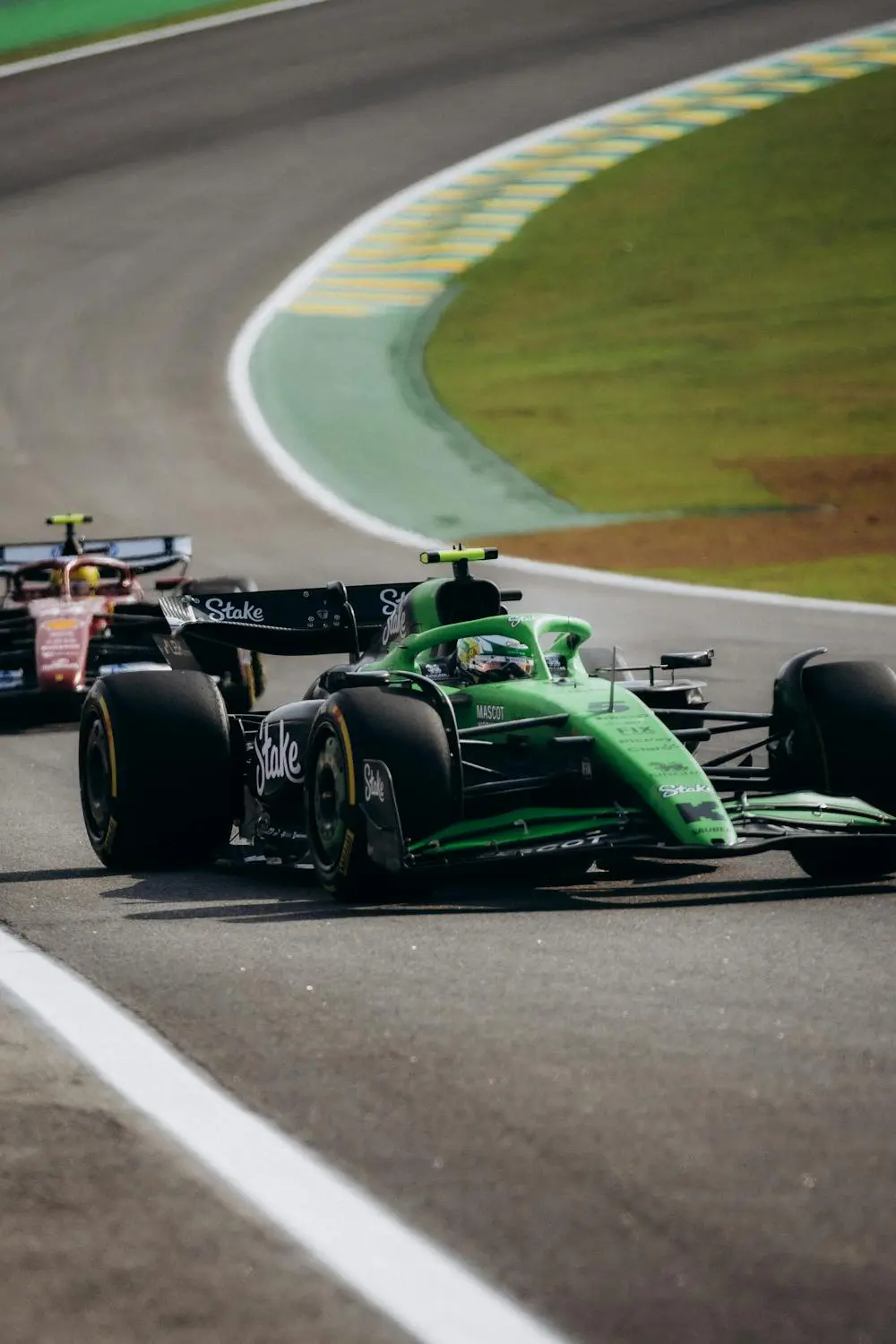
FIA Confirms Formula 2 2026 Calendar Reshuffle
The FIA has officially confirmed a significant shake-up to the Formula 2 2026 calendar, with races previously scheduled to support the Bahrain and Saudi Arabia Formula 1 Grands Prix now replaced by events at the Miami and Canadian Grand Prix weekends in May. The announcement, made during a period with no new F1 events on the schedule, marks a notable logistical and strategic pivot for the junior single-seater series. For aspiring F1 drivers competing in Formula 2, the venues they race at can shape their visibility to team principals and the broader paddock — making this reshuffle far more consequential than a simple diary change.
Detailed Analysis: Why This Formula 2 2026 Calendar Change Matters
The Bahrain and Saudi Arabia Displacement
Bahrain and Saudi Arabia have long been staples of the Formula 2 support programme, particularly at the start of the season. Both circuits offer high-speed, technically demanding layouts that challenge junior drivers in conditions that closely mirror those faced in Formula 1. Bahrain's Sakhir circuit, for example, features a mix of slow chicanes and long straights that reward both mechanical grip and aerodynamic efficiency — key attributes under F1's radical 2026 technical regulations, which introduced fully active aerodynamic systems and revised hybrid power units with a significantly higher electrical energy deployment ratio. Active Aero refers to the 2026 regulation-mandated movable bodywork systems that dynamically adjust downforce levels throughout a lap to optimise both straight-line speed and cornering performance. Formula 2 cars do not run these systems, but the tracks themselves serve as important reference points for junior driver development.
Miami and Canada: New Opportunities for Junior Talent
Replacing those slots with Miami and Canada in May is a strategically interesting decision. The Miami International Autodrome, a street-style circuit set around the Hard Rock Stadium complex, offers a very different challenge — tight barriers, low-grip surface conditions, and intense heat. For Formula 2 drivers hoping to impress F1 decision-makers, performing well in Miami carries enormous weight, given the race's high-profile, commercially visible nature and the sheer volume of team personnel present. Canada's Circuit Gilles Villeneuve, meanwhile, is a drivers' circuit in the truest sense — heavy braking zones, a wall of champions, and the ever-present threat of the safety car reward bravery and precision. Both venues tend to attract significant F1 paddock attention, potentially giving Formula 2 competitors greater exposure than the early-season Middle Eastern rounds.
Implications for the 2026 F1 Driver Pipeline
The Formula 2 2026 calendar reshuffle could have real implications for the F1 driver pipeline. Several teams on the current 2026 F1 grid maintain formal ties with Formula 2 outfits — using the junior series as a direct scouting and development ground. Racing Bulls, for instance, fields young talents in Formula 2 as part of Red Bull's renowned junior programme, while Ferrari's Driver Academy and Mercedes' junior scheme also maintain strong Formula 2 presences. Replacing Middle Eastern rounds with North American events shifts the cultural and commercial spotlight significantly, and teams with North American sponsor bases or commercial interests — such as Cadillac, which fields Sergio Perez and Valtteri Bottas in 2026 — may find the revised calendar particularly advantageous from a visibility standpoint. For the drivers themselves, racing in Miami and Montreal in May means performing on two of the season's most watched support stages.
Context: How This Fits the 2026 Season Narrative
The 2026 Formula 1 season has arrived on the back of the most sweeping technical regulation overhaul in the sport's modern era, with new aerodynamic philosophies and revised power unit architectures reshaping the competitive order at every level of the FIA's single-seater pyramid. Formula 2 sits at the top of that pyramid as the direct feeder series to Formula 1, and the health and visibility of its calendar directly affects the quality and continuity of the sport's talent supply chain. The Formula 2 2026 calendar change also reflects broader logistical realities — organising international motorsport support series is increasingly complex, and the FIA's willingness to adapt the schedule rather than persist with events that may have faced operational challenges in Bahrain and Saudi Arabia demonstrates institutional flexibility. The move to Miami and Canada ensures the series remains prominent during a high-attention phase of the F1 season.
Key Takeaways
- The FIA has confirmed that Formula 2 races at Bahrain and Saudi Arabia have been removed from the 2026 schedule.
- Those slots are replaced by Formula 2 support events at the Miami and Canadian Grand Prix weekends in May 2026.
- Miami and Canada offer higher commercial visibility and greater F1 paddock presence for junior drivers seeking to impress team principals.
- The reshuffle reflects the logistical complexity of managing a global junior series and the FIA's adaptive approach to the 2026 calendar.
- F1 junior programmes linked to teams such as Red Bull, Ferrari, and Mercedes may recalibrate their driver assessment timelines around the new venues.
Frequently Asked Questions
Why were the Formula 2 2026 Bahrain and Saudi Arabia races cancelled?
The FIA has confirmed that the Formula 2 rounds previously scheduled for Bahrain and Saudi Arabia have been replaced, though the specific operational or logistical reasons behind the removal have not been detailed in the official announcement. The replacement events at Miami and Canada will take place in May 2026.
When will Formula 2 race at the Miami Grand Prix in 2026?
Formula 2 is confirmed to support the Miami Grand Prix as part of the revised Formula 2 2026 calendar. The Miami event takes place in May 2026, making it one of the earlier North American fixtures on the FIA's single-seater support schedule for the season.
How does the Formula 2 2026 calendar change affect F1 driver development programmes?
The shift from Bahrain and Saudi Arabia to Miami and Canada changes the development arc for junior drivers affiliated with F1 team academies. North American rounds attract significant commercial attention and paddock presence, meaning young drivers will face high-pressure visibility opportunities earlier in the May portion of the season rather than during the traditional Middle Eastern opening phase.
Conclusion: A Pivotal Shift for Junior F1 Ambitions
The confirmation of the Formula 2 2026 calendar reshuffle is a quietly significant development for anyone tracking the future of Formula 1. By moving support races from Bahrain and Saudi Arabia to Miami and Canada in May, the FIA has ensured that the sport's primary feeder series maintains a high-profile platform during one of the most commercially and competitively intense phases of the F1 season. For the next generation of drivers dreaming of a seat on the 2026 or 2027 F1 grid, performing on the streets of Miami and the legendary Circuit Gilles Villeneuve in Montreal could prove career-defining. Watch this space closely.
In this article
Written with AI assistance. How this site works