F1 2026 Calendar Cuts Cost Liberty Media 7% Stock Drop
Liberty Media stock fell ~7% after Bahrain and Saudi Arabia were cut from the F1 2026 calendar — here's why hosting fees make this a structural crisis.
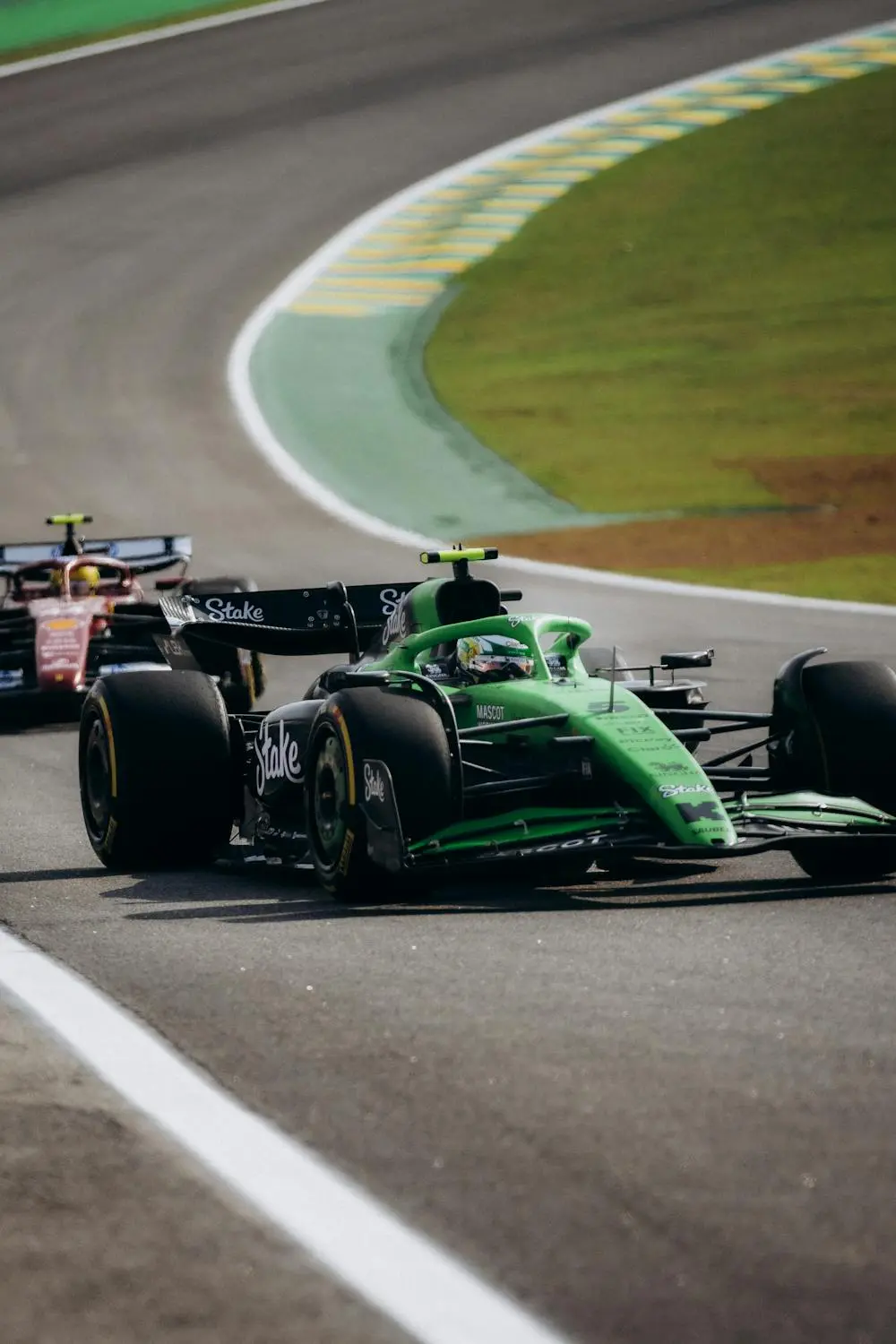
Liberty Media Stock Slides as F1 2026 Calendar Loses Bahrain and Saudi Arabia
The removal of Bahrain and Saudi Arabia from the F1 2026 calendar has sent a clear financial signal to Wall Street, with Liberty Media's stock falling approximately seven percent in direct response to the announcements. This was not the market reacting to operational disruption or logistical inconvenience — this was investors repricing the structural revenue architecture of the championship itself. Two hosting fees, gone. Two guaranteed income streams, eliminated. The distinction between "losing a race" and "losing a hosting fee" is not merely semantic; it is the difference between a scheduling adjustment and a fundamental erosion of Formula 1's commercial model.
Detailed Analysis: Why Hosting Fees Are Formula 1's Financial Backbone
To understand why Liberty Media's stock reacted so sharply to the F1 2026 calendar revisions, it is essential to understand how the championship's revenue model is structured. Formula 1 does not primarily generate income from ticket sales at individual circuits. Instead, its most powerful revenue lever is the hosting fee — a substantial sum paid by race promoters, governments, or sovereign funds in exchange for the right to host a Grand Prix on the official calendar.
Bahrain and Saudi Arabia represent two of the most lucrative hosting arrangements in the sport. Both races are underwritten by state-backed entities with deep pockets and a strategic interest in using Formula 1 as a global soft-power projection tool. When these two events are removed from the calendar, the financial damage is not absorbed gradually — it is immediate and structural, showing up instantly in forward revenue projections. This is precisely why Liberty Media's share price fell approximately seven percent, rather than a more modest correction that might accompany a single-race postponement.
The Autosport report specifically notes that the market priced these cancellations as "lost growth rather than contained exposure." That framing is critical. Investors were not treating this as a one-time hit that could be recovered next season. They were revising their longer-term growth models for the championship — a far more damaging signal. Formula 1 under Liberty Media has positioned itself as a high-growth media and entertainment property, and any crack in that growth narrative invites disproportionate market punishment.
Furthermore, the removal of two Middle Eastern rounds affects more than just hosting fees. These events generate significant secondary commercial activity: sponsorship activations, broadcast audience spikes in key markets, and VIP hospitality revenue. The ripple effect through the commercial ecosystem is broader than the headline figure suggests, compounding the investor concern reflected in that seven percent stock movement.
Context: What This Means for the F1 2026 Season Narrative
The F1 2026 season was already entering uncharted territory before these calendar developments. The sport has introduced sweeping regulatory changes this year — new power unit architecture, revised aerodynamic philosophies, and adjusted sporting regulations — all of which were intended to reset the competitive order and attract new manufacturers. Audi's full entry as a constructor and the arrival of Cadillac as a new team underlined the commercial optimism surrounding this era.
Against that backdrop, losing two high-value race weekends sends a complicated message. The on-track product is arguably more compelling than it has been in years, with teams like McLaren, Ferrari, Red Bull, and Mercedes all capable of challenging for race wins. Lando Norris, Charles Leclerc, Max Verstappen, and George Russell are locked in what promises to be one of the most competitive championship battles in recent memory. Yet the commercial scaffolding around that sporting drama has taken a visible hit, and Liberty Media will need to act decisively to reassure investors that calendar integrity — and with it, hosting fee revenue — remains secure.
Key Takeaways
- Seven percent stock fall: Liberty Media's share price dropped approximately 7% following the removal of Bahrain and Saudi Arabia from the F1 2026 calendar.
- Hosting fees, not race slots: The financial damage stems from the loss of hosting fee income — Formula 1's primary commercial revenue driver — not merely the absence of two race weekends on the schedule.
- Investor repricing, not short-term correction: Markets treated the cancellations as lost growth potential, revising long-term revenue models rather than absorbing a contained one-season impact.
- Broader commercial ripple: Secondary revenues including sponsorship activations, hospitality, and broadcast audiences in Middle Eastern markets are also affected beyond the headline hosting fee losses.
Frequently Asked Questions
Why did Liberty Media's stock fall after the F1 2026 calendar changes?
Liberty Media's stock fell approximately seven percent because investors repriced the company's growth outlook following the removal of Bahrain and Saudi Arabia from the F1 2026 calendar. These are not low-value events — they are among the most lucrative hosting fee arrangements in the sport, and their loss was treated as structural revenue erosion rather than a temporary scheduling disruption.
What is a Formula 1 hosting fee and why does it matter for the F1 2026 season?
A hosting fee is the payment made by a race promoter, government, or sovereign fund to secure a Grand Prix slot on the official Formula 1 calendar. It represents one of the championship's most significant and predictable revenue streams. For the F1 2026 season, the loss of two such fees from Bahrain and Saudi Arabia has materially altered Liberty Media's near-term commercial projections.
How do the Bahrain and Saudi Arabia cancellations affect Liberty Media's long-term F1 2026 strategy?
The cancellations complicate Liberty Media's positioning of Formula 1 as a high-growth entertainment and media property. The market's reaction — pricing the losses as foregone growth rather than contained exposure — suggests investors believe these are not easily replaceable revenues in the short term, putting pressure on Liberty Media to either renegotiate agreements or secure alternative high-value calendar additions for the F1 2026 season and beyond.
Conclusion: A Critical Commercial Test for Formula 1 in 2026
The F1 2026 season may be delivering one of the most thrilling on-track products in recent memory, but the commercial foundations of the championship have been shaken by the removal of two of its most valuable race weekends. Liberty Media faces a pivotal challenge: rebuilding investor confidence by demonstrating that Formula 1's hosting fee revenue model remains robust and that the calendar can be repaired without sacrificing the growth narrative that has defined the Liberty era. How swiftly and credibly the organisation responds will shape the commercial story of 2026 as decisively as anything happening on the track.
In this article
Written with AI assistance. How this site works