Williams Signs Dan Milner in Ambitious 2026 F1 Rebuild
Williams has recruited former Mercedes R&D Chief Dan Milner to overhaul its core technology processes, with an 'ambitious' internal plan sealing the deal.
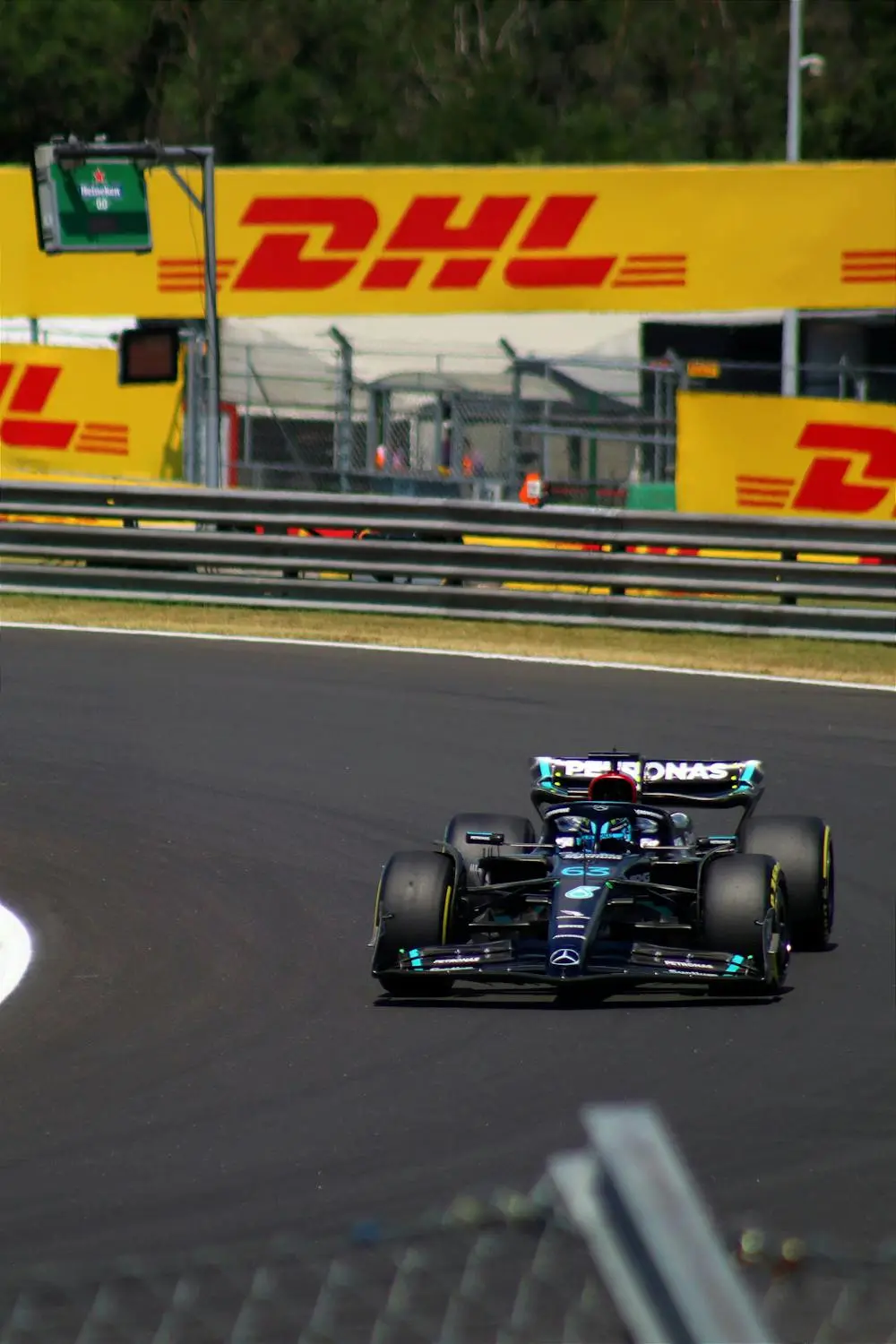
Williams Racing has made a significant behind-the-scenes move in 2026, confirming the addition of Dan Milner — former Mercedes R&D Chief — to its growing technical structure. The appointment underlines the Grove-based outfit's determination to overhaul its core technology processes and compete at a higher level as the sport navigates one of its most sweeping regulatory overhauls in decades. It is a statement of intent from a team that has long been rebuilding its reputation after years of mid-field struggle.
Who Is Dan Milner and Why Does His Arrival Matter?
Dan Milner spent a formidable career at Mercedes, one of the most technically decorated organisations in Formula 1 history. As R&D Chief, Milner would have been central to the research and development infrastructure that underpinned the Silver Arrows' engineering philosophy — the systems, processes, methodologies, and long-cycle development programmes that translate raw talent and budget into on-track performance.
His move to Williams is not simply a personnel change; it is a transfer of institutional knowledge. Mercedes has, over the past decade and a half, set the benchmark for how an F1 team structures its technical operations. Bringing a key architect of that structure to Williams represents exactly the kind of deep-rooted, process-level investment that championship-winning teams are built on. Surface-level upgrades — new aerodynamic components, updated power unit configurations — can be replicated or countered. But embedding a culture of rigorous R&D methodology is a multi-year project that pays compound dividends.
The Williams F1 technical rebuild has been a widely discussed topic since Dorilton Capital's acquisition of the team. The organisation has steadily recruited from top-tier competitors, but the addition of a figure at Milner's seniority and specialisation signals the project is entering a more mature and structurally serious phase.
The 'Ambitious' Plan: What Convinced Milner to Make the Move?
According to the source reporting from MotorSportWeek, it was specifically an ambitious plan presented by Williams that convinced Milner to leave the security and prestige of Mercedes for a rebuilding project in Grove. While the precise details of that plan have not been disclosed publicly, the framing is telling.
Milner is described as a Mercedes stalwart — someone embedded in an organisation's culture does not leave lightly. The fact that Williams' pitch was compelling enough to draw him away suggests the team presented a credible, well-resourced roadmap. In the current F1 landscape, that roadmap almost certainly involves the 2026 technical regulations, which introduced radical changes to aerodynamic philosophy — including active aerodynamics and a revised power unit formula with a dramatically increased electrical component — as well as longer-term ambitions around infrastructure and organisational capability.
For someone of Milner's background, the appeal may well lie in the scale of the challenge: helping to architect an R&D operation largely from scratch, rather than iterating on an already mature system. That kind of greenfield engineering leadership opportunity is rare in Formula 1.
Williams' Broader Technical Rebuild in Context
Williams' recruitment drive in recent seasons has been methodical and increasingly high-profile. The team has targeted not just on-track talent but the engineering and operational depth that separates occasional competitive appearances from sustained performance. The addition of Dan Milner to strengthen core technology processes — the specific language used in the report — points to a focus on the foundational layer of the organisation: simulation, computational fluid dynamics strategy, data infrastructure, and long-range development planning.
In 2026, as every team grapples with interpreting an entirely new regulatory framework, having robust R&D processes in place is not merely advantageous — it is essential. Teams that can iterate fastest and most accurately in the early phase of a new regulation cycle tend to build advantages that persist for years. Williams, under the new regulations, has a genuine opportunity to close the gap to the established front-runners if its technical house is in order.
It is also worth noting the broader competitive context. With Audi now operating as a full works team following the rebrand from Sauber, Cadillac making its Formula 1 debut as the grid's 11th team, and manufacturers pouring investment into the new power unit formula, the 2026 grid is the most intensely contested it has been in years from a technical development standpoint. Williams needs depth and expertise — not just at the car-building level but at the process and strategy level — to hold and improve its position.
Key Takeaways
- Williams has appointed Dan Milner, former Mercedes R&D Chief, to strengthen its Formula 1 technical operation in 2026.
- Milner's role focuses on core technology processes — the foundational R&D infrastructure that drives long-term car development.
- An 'ambitious' internal plan from Williams was the decisive factor in convincing Milner to leave Mercedes.
- The appointment reflects Williams' strategy of recruiting senior, experienced personnel from top-tier rivals as part of its ongoing rebuild.
- The timing — at the start of a major regulatory cycle — maximises the potential impact of improved R&D processes on Williams' competitive trajectory.
- The wider 2026 grid, featuring Audi's works debut and Cadillac's entry, makes deep technical expertise more important than ever for mid-field teams seeking to move forward.
Frequently Asked Questions
What role will Dan Milner play at Williams F1?
Dan Milner has joined Williams to strengthen the team's core technology processes, drawing on his experience as Mercedes' R&D Chief. His focus is expected to be on the foundational research, development, and engineering infrastructure that underpins long-term car performance rather than immediate on-track upgrades.
Why did Dan Milner leave Mercedes to join Williams?
According to reports, Williams presented an 'ambitious' plan that convinced Milner to make the move. The specifics have not been publicly disclosed, but the framing suggests a compelling long-term vision and a meaningful leadership opportunity within a rebuilding organisation at the start of a new regulatory era.
How does this signing fit into Williams' 2026 F1 strategy?
Williams has been systematically building its technical and operational depth since Dorilton Capital's ownership began. Milner's appointment is consistent with that strategy — targeting senior, process-level expertise from leading teams to close the structural gap between Williams and the championship-contending organisations. With 2026's new regulations offering a partial reset across the field, strengthening R&D capability now could have a significant impact on where Williams sits competitively over the next regulation cycle.
Conclusion
The signing of Dan Milner is one of the more quietly consequential moves Williams has made in its rebuild era. It is not a headline-grabbing driver announcement or a dramatic aerodynamic concept reveal — but in many respects it matters more. Getting the processes right, the R&D culture right, and the technical leadership right is what separates teams that occasionally surprise from teams that consistently compete. If Williams' ambitious plan is as substantive as it evidently appeared to a Mercedes stalwart, the team's trajectory over this regulation cycle could be significantly steeper than many observers currently anticipate.
In this article
Written with AI assistance. How this site works