Max Verstappen 2026 Regulations: Red Bull's Winter Test Reality
Max Verstappen warned about the 2026 engine formula back in 2023. Now, with Bahrain winter testing underway, his Red Bull response is under the microscope.
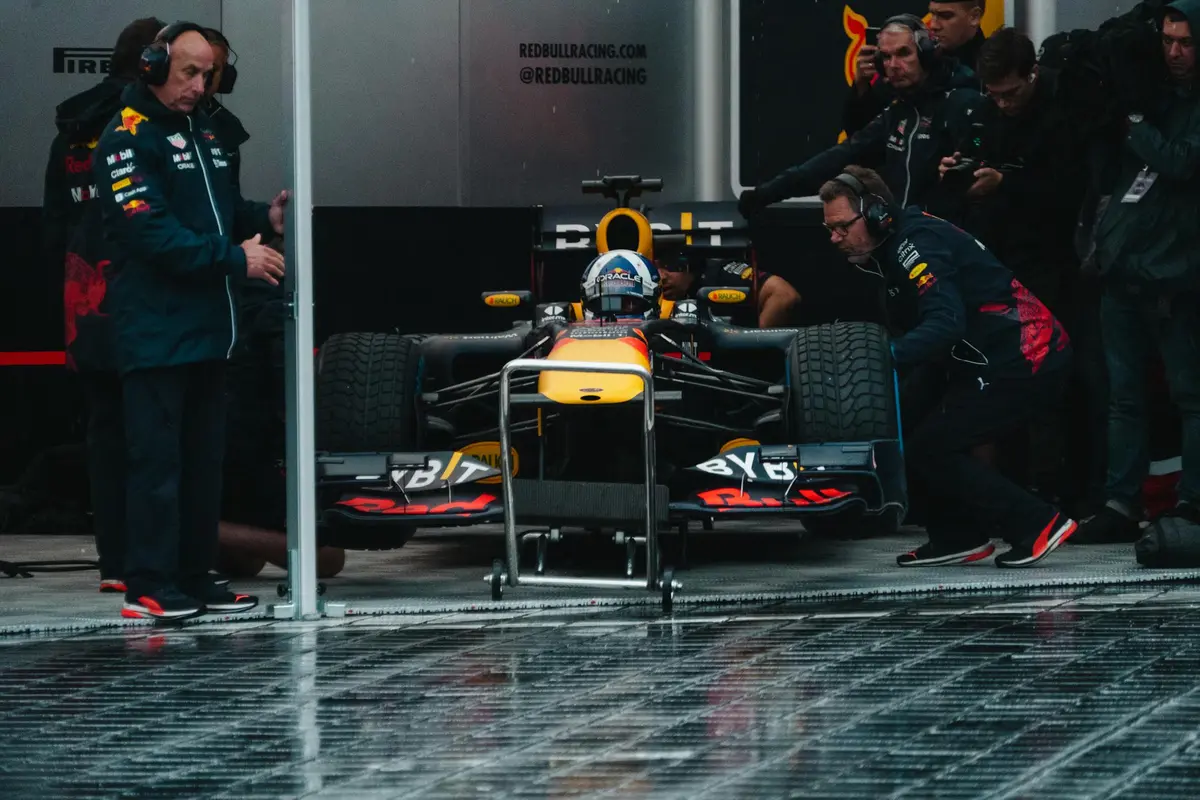
Max Verstappen and the 2026 Regulations: What Winter Testing in Bahrain Revealed
When the Formula 1 media pack descended on Red Bull's hospitality unit during the first week of winter testing in Bahrain, one question dominated every conversation: how would Max Verstappen respond to the sweeping 2026 regulations? The four-time world champion had already made his reservations abundantly clear, publicly warning as far back as the summer of 2023 that the new engine formula was, in his view, heading in the wrong direction. Now, with the cars finally on track and the technical ruleset a reality rather than a proposal, the moment of reckoning had arrived.
Why Verstappen's 2023 Warning Matters More Than Ever
Verstappen's scepticism about the 2026 power unit formula is not a recent talking point conjured for headlines. His concerns, first aired publicly in mid-2023, centred on the fundamental philosophy of the new hybrid architecture — a set of regulations that significantly increases the electrical deployment share relative to the internal combustion engine, reshaping the power delivery characteristics that drivers experience through every corner and straight.
For a driver who mastered the nuances of the previous hybrid formula so completely that he delivered four consecutive Drivers' Championships with Red Bull, any seismic shift in that technical landscape carries genuine sporting risk. His warning in 2023 was not the complaint of someone resistant to change; it was the calculated assessment of an elite competitor who understood precisely what the regulatory shift might demand.
Now in Bahrain for the first official test of the 2026 season, the scrutiny on Verstappen's early laps, his radio communications, and his debrief body language was intense. The media presence at Red Bull's hospitality reflected just how pivotal this moment was perceived to be — not only for the Dutchman personally, but for Red Bull Racing as a constructor navigating a wholesale reset of the technical regulations.
The 2026 Regulatory Landscape: A Fundamental Reset
The current 2026 technical regulations represent the most comprehensive overhaul Formula 1 has undertaken in recent memory. The power unit framework introduces a revised balance between electrical and combustion power, while the aerodynamic philosophy has shifted dramatically — with active aerodynamics and a new overtake boost system forming central pillars of the ruleset. Every team on the 2026 grid, from McLaren and Ferrari to the new Cadillac outfit and Audi in their debut season, has had to rebuild their competitive philosophy from the ground up.
For Red Bull, who dominated large portions of the previous regulatory era, the 2026 reset represents both a threat and an opportunity. The team's partnership with a power unit supplier, their aerodynamic philosophy under the new active aero rules, and crucially, how Verstappen himself adapts to different power delivery characteristics — all of these factors are under the microscope as the season gets underway.
Verstappen's new team-mate for 2026, Isack Hadjar, promoted from Racing Bulls, adds another dynamic layer. How Red Bull manages a championship-calibre lead driver alongside a highly-rated rookie in a year of regulatory flux will be one of the defining team narratives of the season.
The Broader Grid Context
Verstappen's reaction to the 2026 regulations is, of course, unfolding within a grid-wide adjustment period. Lewis Hamilton, now in his second year at Ferrari, brings his own formidable experience of adapting to new machinery. McLaren's Lando Norris and Oscar Piastri, who have built momentum across recent seasons, are equally hungry to exploit any window of opportunity that a regulatory reset provides. Mercedes, with George Russell leading Andrea Kimi Antonelli, are under pressure to return to the front under regulations they have helped shape.
The Bahrain winter test was, for all of these teams and drivers, the first honest data point — the moment where simulation predictions met physical reality. What the media observed in Red Bull's hospitality, and what Verstappen's early running suggested, will set the tone for analysis as the 2026 season builds.
Key Takeaways
- Max Verstappen publicly warned about the 2026 engine formula as early as summer 2023, expressing concern about its technical direction.
- Winter testing in Bahrain was the first live assessment of whether those concerns were justified under race conditions.
- The 2026 regulations represent a wholesale reset, covering both power unit architecture and aerodynamic philosophy.
- Red Bull must adapt to the new framework while managing the dynamic of Verstappen alongside rookie Isack Hadjar.
- Every constructor on the 2026 grid faces the same fundamental challenge — but Verstappen's track record means his adaptation carries outsized scrutiny.
- The media focus on Red Bull's hospitality unit in Bahrain underlines how central Verstappen's response to these rules is to the season's broader narrative.
Frequently Asked Questions
What were Max Verstappen's concerns about the 2026 F1 regulations?
Verstappen voiced his reservations about the 2026 engine formula as early as the summer of 2023, stating publicly that he believed it was heading in the wrong direction. His concerns related to the fundamental design philosophy of the new power unit regulations rather than any specific technical detail he disclosed publicly.
How did Red Bull approach the first week of 2026 winter testing in Bahrain?
According to reports from Autosport, the media gathered at Red Bull's hospitality unit during the first week of Bahrain winter testing with significant focus on how Verstappen would respond to the new regulations in practice. The session was seen as a critical early indicator of where Red Bull stood in the new regulatory era.
Who is Max Verstappen's team-mate at Red Bull in 2026?
Verstappen's team-mate at Red Bull for the 2026 season is Isack Hadjar, who was promoted from the Racing Bulls programme to the senior Red Bull team for this campaign.
Conclusion
Max Verstappen's relationship with the 2026 regulations is one of the most compelling storylines of the new Formula 1 era. His early warnings, his behaviour during Bahrain winter testing, and Red Bull's broader response to a technical reset all feed into a narrative that will run for the entire season. Whether his scepticism proves prophetic or whether Red Bull's engineering resources have answered the challenge, the answer is now being written lap by lap on track. The 2026 season has begun — and Verstappen's verdict on these rules will be delivered in the most unambiguous currency of all: race results.
In this article
Written with AI assistance. How this site works