Lando Norris: F1 2026 Regulations Could Be Exciting Era
Lando Norris says F1 is close to a 'really exciting era of racing' under the 2026 regulations, but only if more control is handed back to the drivers.
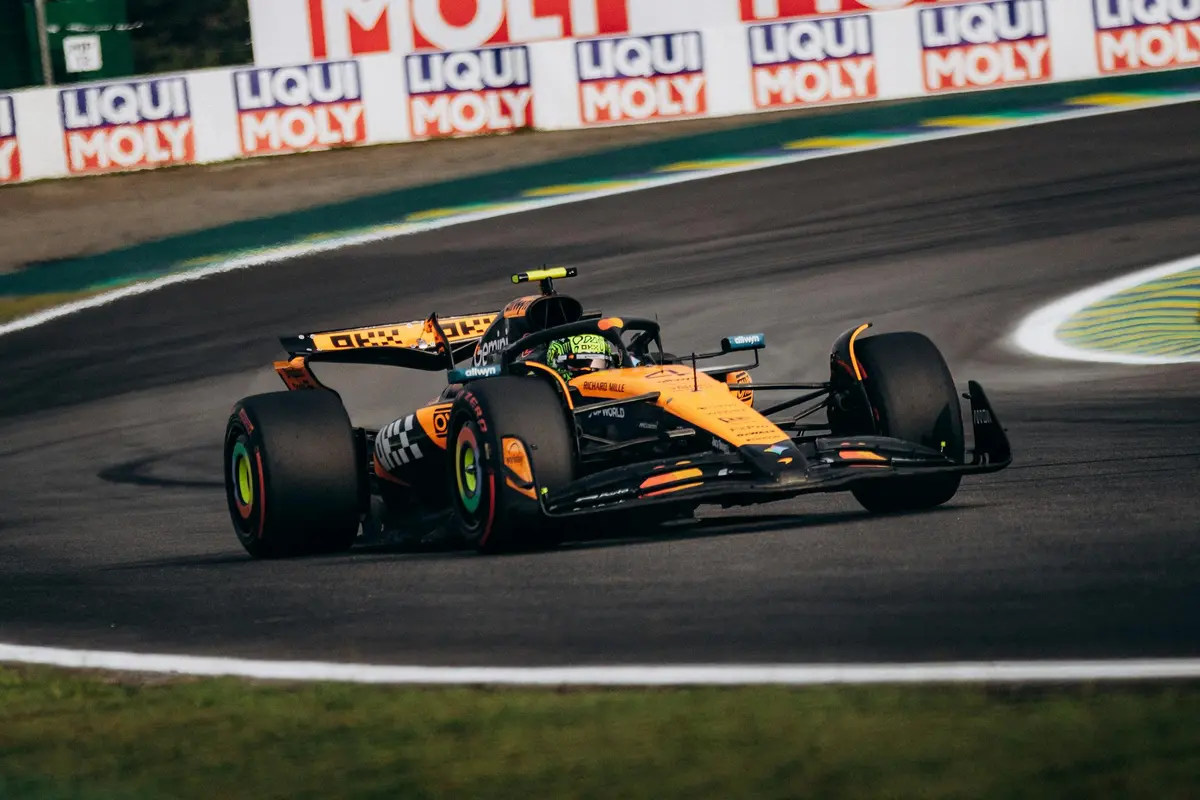
Lando Norris has offered a carefully optimistic assessment of Formula 1's direction, stating that the sport is close to "having a really exciting era of racing" — but only if regulators can fine-tune the 2026 rules to put more meaningful control back into the hands of the drivers. It is a sentiment that carries real weight coming from one of the grid's most technically engaged and outspoken competitors, and it touches on a debate that has defined the early weeks of the 2026 season.
Norris's Vision for the 2026 F1 Regulations
The 2026 regulatory cycle represents the most sweeping overhaul Formula 1 has undertaken in years, introducing a revised aerodynamic philosophy alongside significant power unit changes. Yet for Norris, the hardware alone is not the complete answer. His argument centres on a concept that is deceptively simple but technically complex to achieve: giving the driver more agency over how the car behaves at any given moment.
In the context of the 2026 rules, which include active aerodynamic systems and a revised energy deployment framework, there is a genuine tension between automation and human input. The more a car's systems manage themselves — harvesting energy, adjusting aerodynamic profiles, modulating torque — the less a driver's individual skill and decision-making can differentiate the performance. Norris appears to be pushing for a balance where those systems remain powerful tools, but tools that require a driver's intelligent deployment to unlock their full potential.
This philosophy aligns with broader discussions among engineers and purists alike who argue that the best eras of Formula 1 were defined by cars that were genuinely difficult to drive fast — where extracting the maximum required artistry, not just adherence to a pre-programmed energy map. Norris, widely regarded as one of the most naturally gifted drivers of his generation, has an obvious incentive to advocate for regulations that reward raw talent and real-time judgement.
Why Driver Control Matters in the 2026 Era
The 2026 season has already demonstrated that the new technical framework is producing closer competition across the field. The revised power unit regulations — including a more equal split between internal combustion and electrical energy output — have compressed performance gaps, and the active aerodynamics have created new strategic dimensions both in qualifying and race trim.
However, the risk with heavily automated systems is what engineers sometimes call the "levelling effect" — where the car's software compensates for driver errors so efficiently that the human element becomes secondary. Norris's call for regulatory tweaks is essentially a request to resist that drift. He wants the 2026 formula to reward the driver who can read a corner entry better, manage tyre degradation more intuitively, or make a split-second call on overtake boost deployment that no algorithm could have pre-planned.
For McLaren's broader programme, this perspective is also strategically coherent. The Woking-based outfit has invested heavily in developing a car philosophy that plays to driver strengths, and Norris himself has developed a close working relationship with the engineering team that allows his feedback to shape setup direction in ways few drivers can match. A regulatory environment that places more premium on driver input is, almost by definition, one where McLaren's approach becomes more competitive.
The Bigger Picture: F1's Quest for Authentic Racing
Norris's comments arrive at a moment when Formula 1 is actively wrestling with questions of identity. The sport has grown its global fanbase enormously, but a recurring critique from hardcore enthusiasts is that modern F1 cars are too managed, too dependent on pit wall strategy and software-driven systems, and too forgiving of driver errors. The 2026 regulations were partly designed to address exactly this — to create a formula that is visually dramatic, technically credible, and genuinely demanding to drive.
If the FIA and the teams can work collaboratively on the specific tweaks Norris is alluding to — whether those involve limiting certain automated driver aids, adjusting the parameters of the active aero deployment, or rebalancing the overtake boost system — then the 2026 era has the genuine potential to deliver something special. Norris's framing of the situation as being "close" rather than already there is an important nuance: it is an invitation to act, not a complaint about failure.
Key Takeaways
- Lando Norris believes Formula 1 is close to an exciting new era under the 2026 regulations, but refinements are needed.
- His central call is for more driver control within the 2026 technical framework, reducing over-reliance on automated systems.
- The 2026 rules introduce active aerodynamics and a revised hybrid power unit split — innovations that could either empower or marginalise driver input depending on implementation.
- Norris's position is consistent with McLaren's driver-centric development philosophy and his own reputation as one of the most technically communicative drivers on the grid.
- The FIA has the opportunity to act on this feedback through in-season regulatory clarifications or targeted tweaks before the formula is locked in further.
Frequently Asked Questions
What specifically is Lando Norris asking to change in the 2026 F1 regulations?
Norris has indicated that the sport needs to put more control back in the driver's hands. While he has not specified individual technical parameters in the available remarks, the implication is that current or proposed automation levels within the 2026 active aero and energy deployment systems should be adjusted to ensure driver skill remains the primary performance differentiator.
How do the 2026 F1 regulations affect driver involvement compared to previous seasons?
The 2026 regulations introduce active aerodynamic systems and a significantly revised power unit architecture with a more prominent electrical energy component. These systems can, depending on how their deployment is governed, either demand more tactical input from the driver or operate largely autonomously. The balance struck between those two outcomes is precisely what Norris is highlighting as critical to the quality of racing.
Is Lando Norris optimistic or critical about Formula 1's 2026 direction?
Norris is carefully optimistic. He has explicitly framed Formula 1 as being close to a "really exciting era of racing" — which means he sees the foundation as sound. His comments are a constructive nudge rather than a wholesale criticism, suggesting that targeted regulatory adjustments could unlock the full potential of the 2026 formula.
Conclusion
Lando Norris's assessment of the 2026 F1 regulations is one of the more nuanced and technically grounded driver perspectives to emerge this season. By framing the situation as an opportunity rather than a problem, he has offered both the FIA and his fellow competitors a constructive challenge: make the tweaks, trust the drivers, and let the 2026 era become the landmark chapter in Formula 1 history that it has the capacity to be. The conversation is now open — and the sport would do well to listen carefully.
In this article
Written with AI assistance. How this site works