Formula E Rookie Test 2026: How Debutants Fared
Formula E's Season 12 rookie test gave debutants their first taste of the Gen3 Evo all-electric machinery — here's how they adapted to the challenge.
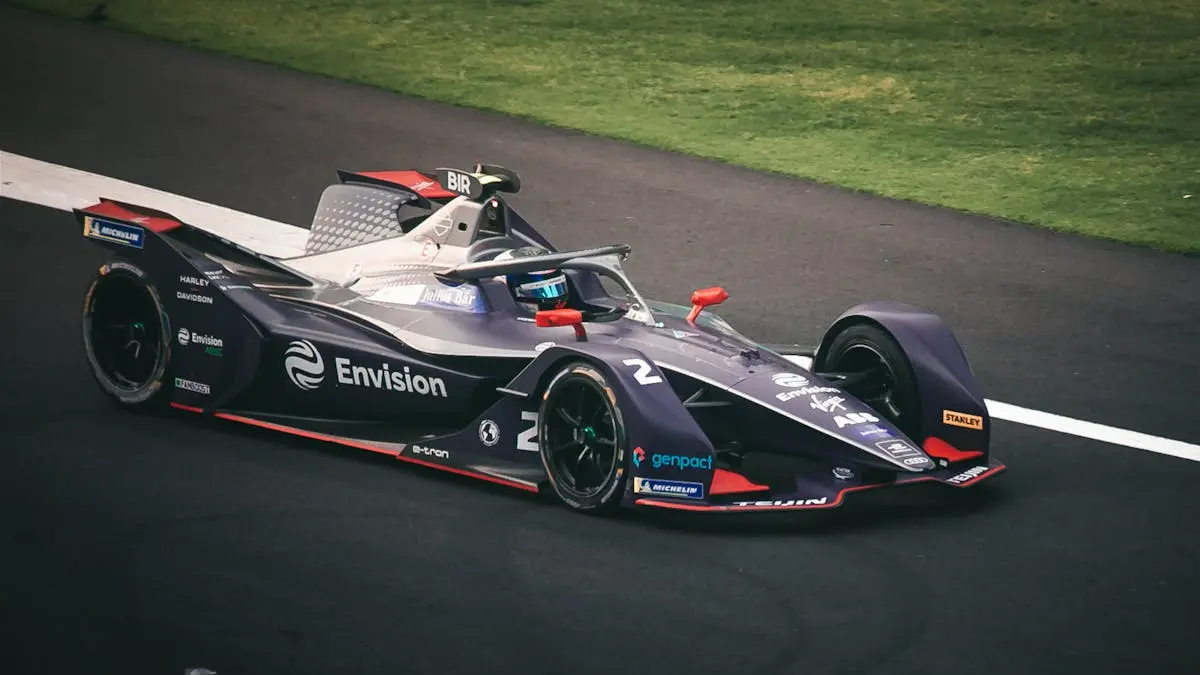
Formula E Rookie Test 2026: How the New Debutants Fared in Their First All-Electric Outing
The Formula E rookie test is one of the most eagerly anticipated sessions on the calendar for motorsport talent scouts, team principals, and fans alike. For the 2025/26 season — Season 12 of the all-electric single-seater championship — a new crop of young drivers and crossover talents got their first taste of the Gen3 Evo machinery in a dedicated rookie test session. The results, performances, and lessons learned from this outing carry significant implications for the future of the championship and for the careers of those who stepped into the cockpit.
What Is the Formula E Rookie Test?
The Formula E rookie test is a designated on-track session that allows drivers with limited or no prior Formula E experience to sample the current generation of cars under near-real-world conditions. Unlike a standard practice session, the rookie test is specifically structured to give emerging talent — whether from single-seater feeder series, endurance racing, or other electric racing categories — meaningful mileage and data in the championship's highly technical Gen3 Evo package.
For Season 12, the Gen3 Evo cars remain the pinnacle of Formula E engineering, featuring active all-wheel drive (AWD) available during qualifying, race starts, and ATTACK MODE, a maximum power output of 350kW (equivalent to approximately 470hp), and Hankook tyres. The car's unique energy management demands, regenerative braking behaviour, and street circuit characteristics make it a genuine challenge even for experienced racing drivers making their Formula E debut.
How the Rookie Test Debutants Fared
The headline story from this rookie test is how each debutant adapted — or struggled to adapt — to the very specific demands of Formula E's Gen3 Evo platform. The source coverage from Feeder Series highlights the experience as a landmark first all-electric outing for those involved, underscoring that transitioning to Formula E is far more nuanced than simply switching to an electric powertrain.
Key areas where rookie test debutants are evaluated include:
- Energy management: Formula E races are won and lost on how efficiently drivers deploy and recover energy. Rookies without prior Formula E experience must calibrate entirely new instincts around lifting, coasting, and regenerative braking — techniques that have no direct equivalent in conventional motorsport.
- Active AWD adaptation: The Gen3 Evo's active all-wheel drive system, deployable in qualifying, at race starts, and during ATTACK MODE activation, introduces a fundamentally different traction and torque delivery profile. Managing the transition between rear-wheel and all-wheel drive modes demands precision and confidence that can only be built through track time.
- Street circuit mindset: Formula E races exclusively on temporary street circuits, where walls are close, run-off is minimal, and clean air is rare. Rookie test conditions help debutants build spatial awareness and respect for the unique risk profile of these venues.
- ATTACK MODE strategy: Understanding when and how to activate ATTACK MODE — the off-line power boost that requires drivers to cross a designated activation zone — is a strategic and physical challenge that rookies must begin to internalise from their very first laps.
Why the Formula E Rookie Test Matters for Season 12 and Beyond
The significance of the 2026 Formula E rookie test extends well beyond individual lap times. With Gen4 machinery confirmed to arrive next season, the current Season 12 test represents one of the final opportunities for drivers to familiarise themselves with the Gen3 Evo architecture before a wholesale technical reset. Teams investing time in rookie test evaluations are simultaneously building driver depth and gathering comparative data that will inform their driver market decisions heading into the Gen4 era.
For the established Season 12 grid — which includes title contenders across Jaguar TCS Racing (Antonio Felix da Costa and Mitch Evans), Porsche (Pascal Wehrlein and Nico Muller), DS Penske (Taylor Barnard and Stoffel Vandoorne), and Citroen Racing (Jean-Eric Vergne and Nick Cassidy) — the rookie test also serves as a talent scouting exercise. Teams are acutely aware that the Gen4 transition may catalyse driver market movement, making early identification of adaptable, technically sophisticated rookies a competitive priority.
From a broader championship perspective, Formula E's commitment to running structured rookie tests reflects the series' ongoing investment in the development pipeline. As electric motorsport becomes increasingly central to manufacturer road-car programmes — with Jaguar, Porsche, Nissan, Mahindra, and others all leveraging their Formula E involvement for EV technology development — the quality of incoming driver talent matters to the commercial and sporting identity of the championship.
The Technical Challenge: Gen3 Evo for First-Timers
Understanding just how demanding the Gen3 Evo is for a first-time Formula E driver requires appreciating the car's layered complexity. At 350kW maximum power, the cars are genuinely fast, but raw pace is almost secondary to the energy architecture that governs every lap. Drivers must manage a finite energy budget across a race distance that typically spans 45 minutes plus one lap, factoring in regeneration opportunities, ATTACK MODE deployment costs, and the variable energy demands of street circuit layouts with their tight, low-speed corners and short acceleration zones.
The Hankook tyre compound, designed specifically for Formula E, behaves differently from the slick or wet-weather tyres found in other series, with thermal management and degradation patterns that reward smooth, precise inputs — exactly the kind of car control that rookie test debutants must demonstrate to impress potential employers.
Key Takeaways
- The Formula E rookie test gives emerging talent their first structured exposure to the Gen3 Evo all-electric single-seater in a competitive environment.
- Energy management, active AWD adaptation, and ATTACK MODE strategy are the core technical challenges for all debutants.
- With Gen4 arriving next season, Season 12's rookie test is a pivotal evaluation window for teams building their future driver rosters.
- Performance in the rookie test carries real weight in the Formula E driver market, particularly as the series heads toward a major technical reset.
- The test underscores Formula E's role as a proving ground not just for speed, but for a uniquely electric and strategic form of racing intelligence.
Frequently Asked Questions
What is the Formula E rookie test and who is eligible?
The Formula E rookie test is an official on-track session reserved for drivers with no or very limited prior Formula E race experience. Eligibility typically covers drivers from feeder series, endurance categories, or other single-seater championships who have been nominated by a competing Formula E team to participate.
How does the Gen3 Evo car differ from what most rookie test debutants have driven before?
The Gen3 Evo is fundamentally different from most other racing cars due to its all-electric powertrain, energy management-centric race strategy, active all-wheel drive system (available in qualifying, race starts, and ATTACK MODE), and exclusive operation on tight temporary street circuits. Most debutants must completely recalibrate their driving style, particularly around regenerative braking and energy deployment.
Why does the Formula E rookie test matter ahead of the Gen4 era?
With Gen4 machinery set to replace the current Gen3 Evo platform next season, teams are using the current rookie tests to identify drivers capable of adapting quickly to technical change. Strong rookie test performances can open doors to reserve driver roles, race seat evaluations, and long-term contracts as teams plan their Gen4 lineups.
Conclusion
The Formula E rookie test is far more than a box-ticking exercise — it is a genuine crucible for the next generation of all-electric racing talent. As Season 12 progresses toward its conclusion and the Gen4 era looms on the horizon, the performances of this year's debutants will be scrutinised carefully by every team on the grid. Those who demonstrate the technical adaptability, energy intelligence, and composure that Formula E demands will find themselves firmly on the radar of a championship that continues to grow in prestige and complexity.
Written with AI assistance. How this site works