Formula E Electric Evolution: Season 12 Gen3 Evo Era Defined
Formula E's Electric Evolution reaches new heights in Season 12 with the Gen3 Evo platform, Active AWD, and the deepest grid in championship history.
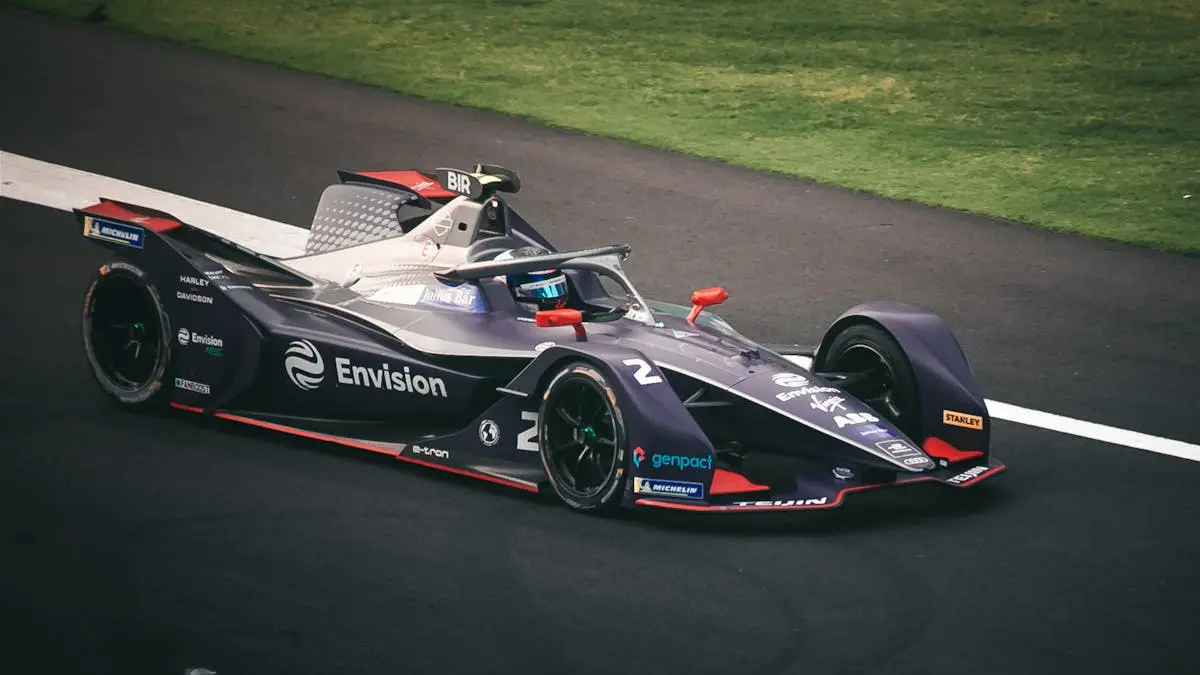
Formula E's Electric Evolution: How the Gen3 Evo Era Is Redefining Street Racing in 2026
Formula E's Electric Evolution is no longer a promise — it is a living, breathing reality playing out on city streets across the globe in Season 12. The Gen3 Evo platform, delivering 350kW (approximately 470hp equivalent) through Hankook tyres on some of the world's most technically demanding street circuits, represents the culmination of years of engineering ambition. As the championship pushes toward the dawn of the Gen4 era next season, the current campaign offers a defining snapshot of just how far electric motorsport has come — and how fiercely competitive it has become.
What Is the Gen3 Evo Platform and Why Does It Matter?
The Gen3 Evo car is the evolved iteration of Formula E's third-generation chassis, purpose-built to extract maximum performance from an all-electric powertrain in a street-circuit environment. At its core, the Electric Evolution story is about energy management, regeneration efficiency, and the sophisticated deployment of power across a race distance.
One of the most significant technical features of the current generation is Active All-Wheel Drive (AWD), available during qualifying, race starts, and crucially, during Attack Mode activation. This system fundamentally changes the dynamic balance of the car compared to earlier generations, giving drivers traction advantages at corner exit while simultaneously enabling front-axle regeneration under braking — a dual benefit that makes energy recovery a genuine performance tool rather than merely a conservation measure.
The Attack Mode mechanic itself remains a defining characteristic of Formula E's racing DNA. Drivers must physically steer off the optimal racing line to activate a designated zone on circuit, triggering a temporary power boost. The strategic timing of Attack Mode activations — when to take them, how many to deploy, and how to sequence them against rivals — continues to be one of the most nuanced layers of Formula E race strategy, separating elite racecraft from the merely competent.
The 2025/26 Grid: A Field of Champions and Contenders
Season 12 boasts one of the deepest and most experienced grids in Formula E history, adding another dimension to the Electric Evolution narrative. Jaguar TCS Racing fields the formidable pairing of António Félix da Costa and Mitch Evans, a combination of raw speed and accumulated championship experience that makes them perennial title threats on any circuit configuration.
Porsche, with Pascal Wehrlein and Nico Müller, continues to leverage its significant factory investment in electric powertrain development — a commitment that reflects the brand's wider electrification strategy at road-car level. DS Penske counters with Taylor Barnard and the vastly experienced Stoffel Vandoorne, while Nissan deploys the pace of Oliver Rowland alongside Norman Nato.
Further down the pit lane, Mahindra Racing fields Edoardo Mortara and Maximilian Günther; Andretti pairs Jake Dennis with Felipe Drugovich; and Envision Racing runs Joël Eriksson alongside the deeply experienced Sébastien Buemi. The Lola Yamaha ABT combination of Lucas di Grassi — a founding father of Formula E — and rising talent Zane Maloney adds further intrigue, as does the Citroën Racing alliance of Jean-Éric Vergne and Nick Cassidy. Completing the field, Cupra Kiro runs Dan Ticktum and Pepe Martí.
Looking Ahead: The Gen4 Horizon
While Season 12 continues to unfold, the technical community is already casting eyes toward the Gen4 platform confirmed for the following season. The transition will represent another landmark moment in Formula E's Electric Evolution, with expectations of further power increases, enhanced energy density, and potentially new regeneration architectures. The lessons being learned — by engineers, strategists, and drivers alike — on the Gen3 Evo will directly inform the development philosophy applied to Gen4.
For manufacturers like Porsche, Jaguar, Nissan, and the growing roster of factory-backed programmes, Formula E is not simply a racing series. It is an accelerated laboratory for electric vehicle technology, where the extreme demands of competitive motorsport pressure-test solutions that eventually filter through to production vehicles. The Electric Evolution of the championship mirrors, and in many ways leads, the broader electrification of the global automotive industry.
Hankook Tyres and the Street Circuit Challenge
The Hankook tyre supply agreement adds another layer of technical complexity to Season 12. Street circuits present a uniquely abrasive and thermally variable surface compared to permanent racetracks, demanding that drivers and engineers carefully manage tyre energy throughout a race stint. The interaction between the Active AWD system's regenerative braking forces and the Hankook compound's degradation profile is a critical variable that teams spend considerable simulation time modelling before each event weekend.
This is where the Electric Evolution of driver skill becomes most visible. The elite operators in the current field understand not just how to drive fast, but how to manage a complex system of energy inputs and outputs — battery state of charge, tyre thermal windows, AWD torque vectoring, and Attack Mode sequencing — simultaneously and instinctively at racing speeds.
Key Takeaways
- Formula E Season 12 runs the Gen3 Evo platform, delivering 350kW (≈470hp) — the final evolution before Gen4 arrives next season.
- Active AWD is available in qualifying, race starts, and Attack Mode, fundamentally enhancing both performance and energy recovery.
- The Attack Mode mechanic remains central to Formula E's unique strategic identity, requiring drivers to leave the racing line to activate a power boost.
- Hankook supplies tyres across the entire grid, with street circuit management a critical differentiator between teams.
- A ten-team, twenty-driver grid representing the sport's deepest talent pool makes Season 12 one of the most competitive in championship history.
- The Gen3 Evo era is effectively the championship's technological bridge to the next-generation Gen4 cars confirmed for the following season.
Frequently Asked Questions
What is the Gen3 Evo car in Formula E?
The Gen3 Evo is the current-generation Formula E race car used in Season 12 (2025/26). It is an evolution of the third-generation chassis, producing 350kW (approximately 470hp equivalent) and featuring Active All-Wheel Drive available during qualifying, race starts, and Attack Mode activations. It represents the final iteration of the Gen3 platform before the championship transitions to the Gen4 car next season.
How does Attack Mode work in Formula E Season 12?
Attack Mode is activated when a driver intentionally steers through a designated off-line activation zone on the circuit, triggering a temporary power boost above the standard output level. The strategic timing of when to take Attack Mode — and how many activations to deploy relative to competitors — is one of the defining tactical elements of Formula E race management.
Which teams are competing in Formula E Season 12?
The ten teams competing in Season 12 are: Jaguar TCS Racing, Porsche, DS Penske, Nissan, Mahindra Racing, Andretti, Envision Racing, Lola Yamaha ABT, Citroën Racing, and Cupra Kiro — covering a broad spectrum of manufacturer investment from factory-backed programmes to independent operations.
Conclusion
Formula E's Electric Evolution in Season 12 is the product of over a decade of incremental innovation, competitive pressure, and genuine manufacturer commitment to electric motorsport. The Gen3 Evo platform — with its Active AWD, Attack Mode strategy, Hankook tyre dynamics, and 350kW power ceiling — delivers racing that is simultaneously technically sophisticated and viscerally entertaining. As the championship writes the final chapters of the Gen3 era and turns its gaze toward Gen4, Season 12 stands as a landmark moment: proof that electric racing has not just arrived, but is genuinely and irreversibly evolving.
Written with AI assistance. How this site works