Ferrari Turn to Formula E for F1 2026 Technical Help
Ferrari have reportedly turned to Formula E for F1 2026 technical expertise, exposing the electrification challenge at the heart of the new power unit regulations.
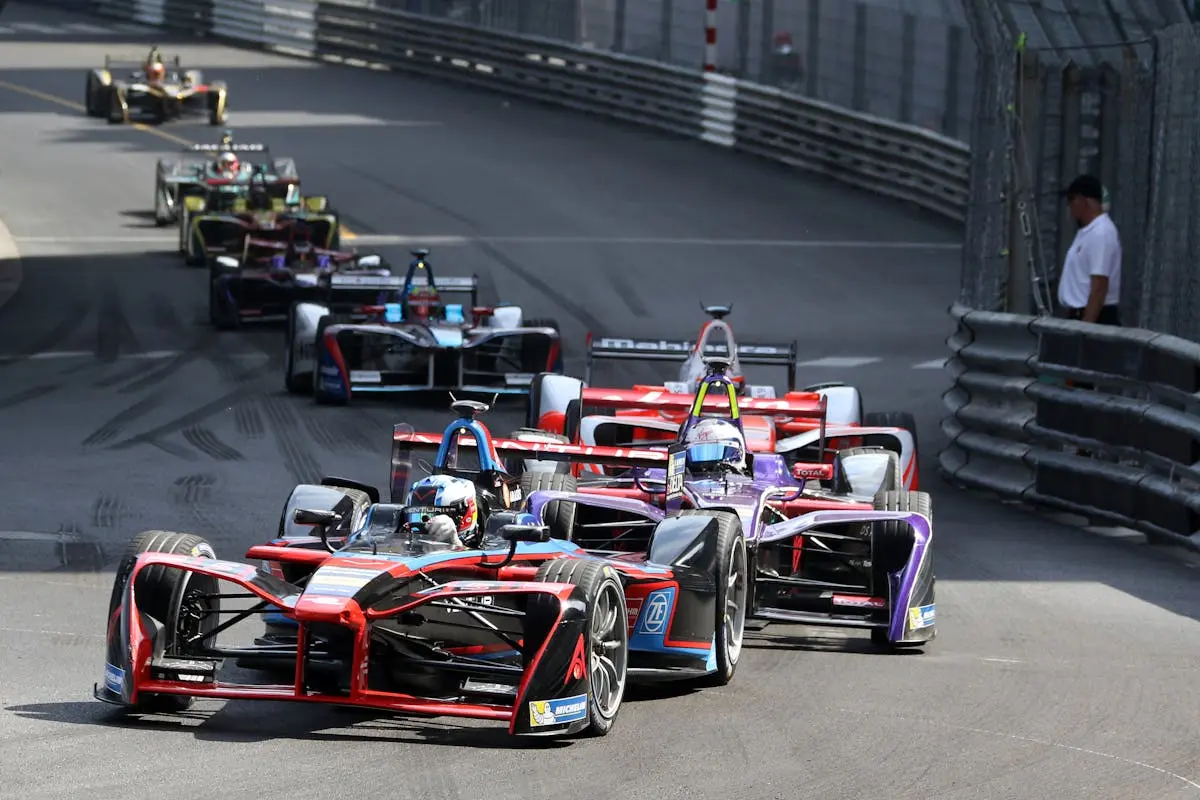
Ferrari Look to Formula E as F1 2026 Regulation Challenges Bite
One of the most striking storylines of the current Formula 1 season has taken an unexpected cross-series turn: Ferrari, one of the most storied constructors in motorsport history, have reportedly reached out to the Formula E paddock for technical assistance as they grapple with the sweeping new F1 2026 regulations. Reported by GPFans under the headline that the situation exposes a '2026 farce', the move underscores both the sheer complexity of the new rule set and the growing strategic relevance of Formula E's electrification expertise — a development that will not be lost on the Gen3 Evo-era teams currently competing in Season 12 of the all-electric world championship.
Why Ferrari Are Seeking Formula E Expertise
The F1 2026 regulations represent the most radical overhaul of the sport's technical framework in a generation. The new power unit regulations place an unprecedented emphasis on electrification, with the electrical component now contributing approximately 50% of total power output — a seismic shift from the hybrid-supplemented internal combustion architecture that defined the turbo-hybrid era since 2014. The combined power output of the new 2026 power units is approximately 700kW (around 950 horsepower), split broadly between the internal combustion engine and the electrical systems. For Ferrari, whose Maranello-based power unit division has traditionally prided itself on combustion engineering excellence, bridging the gap to a deeply electrified architecture represents a genuine technical frontier.
A report from ScuderiaFans, corroborating the wider story, described Ferrari as reshaping its F1 2026 engine project by importing Formula E expertise — drawing a parallel with a Mercedes-inspired hybrid integration strategy — with the specific aim of improving its electric power unit competitiveness. The framing is significant: Ferrari is not merely dabbling at the margins of electrification but is actively seeking institutional knowledge from a series that has operated at the bleeding edge of electric motorsport for over a decade.
Formula E's Season 12 Gen3 Evo cars run at up to 350kW (approximately 470hp equivalent) and feature Active All-Wheel Drive deployable during qualifying, race starts, and ATTACK MODE activations. These systems demand sophisticated power delivery strategies, energy recuperation software, and battery management protocols that are directly analogous to what F1 2026 engineers are now being asked to develop at a combined 700kW scale. It is precisely this hard-won institutional knowledge — accumulated over eleven-plus seasons of all-electric racing — that Ferrari are said to be seeking access to.
GPFans' characterisation of the situation as a 'farce' implies that the regulation change has created a knowledge vacuum even among the sport's most resourced and historically dominant teams. Ferrari, now with Lewis Hamilton in his second season at Maranello alongside Charles Leclerc, are under enormous internal and commercial pressure to deliver a competitive SF-series package in 2026, making any avenue of technical learning strategically critical.
The Technical Parallels Between Formula E Gen3 Evo and F1 2026
The crossover between Formula E's engineering philosophy and the demands of the F1 2026 power unit is more substantive than it might first appear. Both series now require engineers to manage complex bi-directional energy flows, balance battery state-of-charge strategically across a race distance, and deploy electrical power with precision to complement mechanical performance. Formula E teams such as Jaguar TCS Racing, Porsche, and DS Penske have spent years — in some cases over a decade — developing the software frameworks, hardware architectures, and race-day energy strategies to master these challenges at competitive pace.
Key technical areas where Formula E expertise could directly inform Ferrari's F1 2026 development programme include:
- Battery thermal management: Gen3 Evo battery packs must endure extreme thermal cycles across punishing street circuit races. F1 2026 battery packs face analogous durability, cooling, and packaging constraints at higher power densities.
- Electric motor efficiency mapping: Optimising torque delivery across a wide RPM range — maximising power output while minimising energy waste — is central to both championships' performance calculus.
- Energy recuperation under braking: Formula E engineers and drivers are expert practitioners of maximising regenerative braking returns. With roughly 50% of F1 2026 power originating from the electrical systems, recuperation efficiency is now a primary lap-time lever in Formula 1 as well.
- Software and BMS integration: The interplay between battery management systems (BMS), power electronics, and driver-facing interfaces is a critical competence that Formula E has refined across over a decade of competition.
- Energy deployment strategy: Deciding when to hold charge and when to spend it — a second-by-second calculation for Formula E drivers — is an increasingly vital skill for F1 2026 race engineers managing the electric side of the new hybrid architecture.
Broader Implications for Formula E's Standing in Motorsport
Perhaps the most significant dimension of this story is what it says about Formula E's position in the global motorsport hierarchy. For years, detractors characterised the all-electric championship as a junior-category curiosity with limited transferability to 'real' top-level racing. Ferrari's reported move to tap Formula E knowledge emphatically challenges that narrative.
The Season 12 grid — featuring manufacturer programmes from Jaguar, Porsche, Nissan, Mahindra, and others under the Citroen, Cupra, Lola Yamaha ABT, and Andretti banners — represents a concentration of electric powertrain engineering talent that has simply not existed in any other motorsport series. With Gen4 cars on the horizon for next season, Formula E is itself accelerating its technical sophistication at precisely the moment F1 is pivoting toward electrification at an unprecedented scale.
For Formula E stakeholders, Ferrari's outreach is a form of institutional validation. The expertise built in the paddocks of Diriyah, Monaco, and Tokyo is now coveted by the most famous name in Formula 1. That is not a trivial statement.
Ferrari, Hamilton, and the Stakes of Getting 2026 Right
The commercial and sporting pressure on Ferrari in 2026 cannot be overstated. Lewis Hamilton's arrival from Mercedes — confirmed for the 2025 season and now into his second campaign at Maranello — raised global expectations to a fever pitch. Hamilton, a seven-time world champion, did not join Ferrari to finish fourth in the constructors' standings. Alongside Charles Leclerc, who has consistently demonstrated the pace to challenge for race wins when given the machinery, Ferrari possess arguably the most talent-rich driver pairing on the grid.
That makes the power unit challenge all the more pressing. If Ferrari's 2026 electrical architecture underperforms relative to Mercedes or Red Bull's Honda-derived unit, no amount of chassis excellence or driver brilliance will fully compensate. The decision to seek Formula E input — to set aside any institutional pride and look outward for solutions — suggests a pragmatism within the Scuderia that is entirely appropriate given the scale of what is at stake.
Key Takeaways
- Ferrari have reportedly turned to Formula E for technical expertise to aid their F1 2026 power unit development, as reported by GPFans.
- F1 2026 power units produce approximately 700kW combined, with roughly 50% of power output coming from the electrical systems — a fundamental shift from previous hybrid regulations.
- Formula E's Season 12 Gen3 Evo cars operate at 350kW with Active AWD, making the series a genuine reference point for electric powertrain knowledge.
- Ferrari's outreach spans battery thermal management, electric motor mapping, energy recuperation, and BMS software integration — all core Formula E competencies.
- The move represents a broader validation of Formula E's technical standing within elite motorsport, ahead of the Gen4 era arriving next season.
- With Lewis Hamilton and Charles Leclerc forming Ferrari's driver lineup, the pressure to deliver a competitive 2026 package is immense and commercially critical.
Frequently Asked Questions
Why is Ferrari looking to Formula E for help with F1 2026?
The F1 2026 regulations introduce power units where approximately 50% of total power output — from a combined ~700kW — is derived from electrical systems. This is a dramatic increase in electrical complexity versus previous F1 hybrid rules. Formula E teams have spent over a decade developing battery management, motor efficiency, and energy recuperation expertise at a race-competitive level, knowledge that is directly applicable to the challenges Ferrari face in mastering the new F1 2026 power unit architecture.
Which Formula E teams have the most relevant expertise for F1 2026 power unit development?
Teams with long-standing manufacturer programmes are the most relevant reference points. Jaguar TCS Racing, Porsche, and DS Penske have all developed sophisticated electric powertrain and energy management systems across multiple Gen3 and Gen3 Evo seasons. Their engineers have accumulated race-proven knowledge in battery thermal management, power electronics, and software integration — precisely the competencies that are now critical in the F1 2026 power unit landscape.
What are the F1 2026 power unit regulations and how do they change Formula 1?
The F1 2026 power unit regulations represent the most significant technical overhaul in over a decade. The combined output of the new units is approximately 700kW (around 950hp), with the electrical component contributing roughly half of that total. The regulations effectively transform F1 power units into deeply electrified hybrid systems, far beyond the supplementary MGU-H/MGU-K architecture of the previous era, creating a genuine convergence with the engineering philosophy that Formula E has pioneered since its inaugural season.
Conclusion
Ferrari's reported turn to Formula E for F1 2026 technical assistance is more than a curious footnote in an already tumultuous regulation transition. It is a signal: that the knowledge boundaries between motorsport's disciplines are dissolving, that electrification expertise earned in the all-electric championship has genuine top-tier value, and that even the most iconic names in Formula 1 must look beyond their own walls to stay competitive. For Formula E — and for Season 12's Gen3 Evo competitors building toward the Gen4 era — it is perhaps the most powerful endorsement the series has ever received. The farce, as GPFans frames it, may ultimately prove to be the making of a new era of cross-series technical collaboration.
Written with AI assistance. How this site works