Domenicali Backs Simpler F1 Engine Formula Decision in 2026
F1 CEO Stefano Domenicali backs reaching a sport-wide agreement on a simpler, lighter future power unit formula as early as 2026, supporting FIA president Ben Sulayem's push.
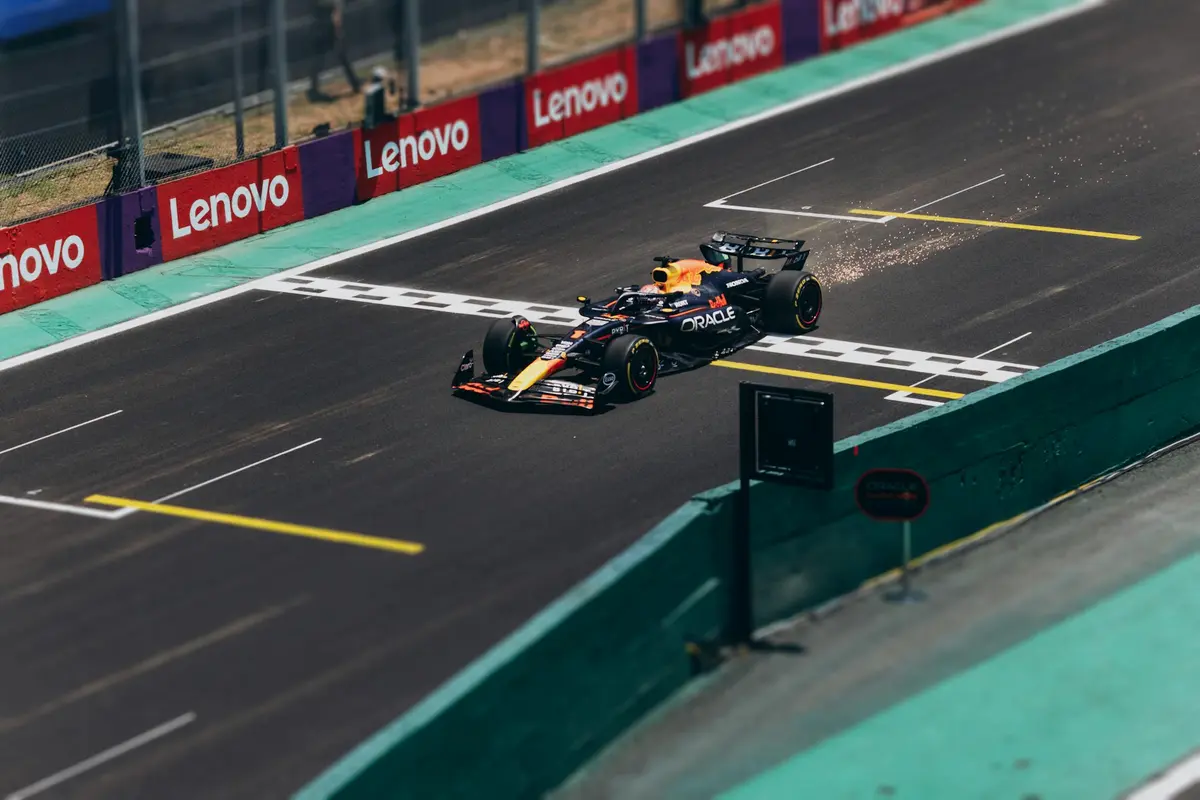
Domenicali Calls for Early Agreement on Future F1 Power Unit Formula
Formula 1 CEO and president Stefano Domenicali has voiced strong backing for the sport's stakeholders to reach a consensus on the next power unit formula as early as 2026. Speaking on the growing debate around the direction of F1's engine regulations beyond the current 2026 cycle, Domenicali endorsed the push for a lighter, simpler, and more cost-effective engine concept — a vision that has gained considerable momentum following public statements from FIA president Mohammed Ben Sulayem.
This development matters enormously in the context of the current 2026 F1 season, which itself debuted a landmark new power unit formula featuring a 50/50 split between internal combustion and electrical power deployment. With that regulatory framework still bedding in, the conversation about what comes next has already begun — and Domenicali wants answers sooner rather than later.
The Origins of the Simpler Engine Debate
The push for a lighter and simpler F1 power unit was publicly ignited by FIA president Mohammed Ben Sulayem, who expressed a clear desire to move away from the extreme complexity and cost associated with current and recent hybrid power units. His statements triggered a series of stakeholder meetings approximately twelve months ago, where manufacturers, teams, and commercial rights holders began preliminary discussions on what a post-2026 engine formula might look like.
Those conversations, while early in nature, laid the groundwork for what Domenicali is now advocating: a formal, sport-wide agreement reached as soon as possible — ideally within 2026 itself. The urgency is understandable. Engine development cycles in Formula 1 are extraordinarily long, and manufacturers require years of lead time to design, build, and homologate a new power unit. Delaying a decision risks creating the very instability that has historically driven manufacturers away from the sport.
Why a Simpler Power Unit Formula Makes Sense in 2026
The current 2026 F1 regulations introduced a heavily electrified hybrid architecture that, while technologically impressive, has demanded enormous financial and engineering resources from every manufacturer on the grid — including new entrants Audi, making their debut as a works team this season, and the competitive pressures felt by established outfits like Ferrari, Mercedes, Red Bull, and McLaren.
A move toward a lighter, simpler engine formula could deliver several key benefits for the sport:
- Cost reduction: Simpler power units lower the barrier to entry for new manufacturers and reduce the financial burden on existing teams, particularly the smaller outfits.
- Increased competition: When the performance gap between engine suppliers narrows due to reduced complexity, racing tends to become more competitive across the field.
- Manufacturer attraction: A less prohibitively expensive engine programme could entice additional manufacturers to consider joining Formula 1 as a power unit supplier.
- Sustainability alignment: A simpler formula can still incorporate sustainable fuel mandates — a core pillar of F1's environmental strategy — without requiring the same level of hybrid complexity seen today.
- Fan and team clarity: Simpler regulations are easier to communicate to fans and reduce the regulatory grey areas that have historically generated controversy.
The Stakeholder Challenge: Aligning Competing Interests
Reaching a consensus among F1's diverse stakeholders is never straightforward. The manufacturers currently invested in the 2026 power unit formula — having spent billions developing these engines — will need convincing that an early pivot is in their commercial and sporting interest. Teams that have built their technical infrastructure around the current hybrid architecture will also need reassurance.
At the same time, Domenicali's public backing of a 2026 timeline for agreement sends a clear signal from the commercial rights holder that momentum is building. His alignment with Ben Sulayem's vision suggests that both the FIA and Formula 1 Management are pushing in the same direction — a rare and powerful alignment that typically accelerates regulatory change in the sport.
For the 2026 season grid, teams like Cadillac — in their debut F1 season — and Audi are particularly relevant voices. As newer entrants, their perspective on engine costs and complexity carries significant weight in shaping what an accessible, competitive future formula might look like.
Key Takeaways
- F1 CEO Stefano Domenicali is backing an agreement on a future simpler power unit formula to be reached as early as 2026.
- The push was initiated by FIA president Mohammed Ben Sulayem's public call for lighter, cheaper engines.
- Stakeholder meetings on a future engine formula were held approximately twelve months ago, laying early groundwork.
- A simpler formula could reduce costs, attract manufacturers, and improve on-track competition.
- The alignment between Domenicali and Ben Sulayem gives this initiative significant institutional momentum.
- The long lead times required for engine development make an early decision strategically critical.
Frequently Asked Questions
What is Stefano Domenicali's position on the future F1 engine formula?
Domenicali, F1's CEO and president, has publicly backed the push for a lighter and simpler future power unit formula, and believes stakeholders should try to agree on this direction as early as 2026.
Why is a simpler F1 power unit being discussed during the 2026 season?
While the 2026 F1 season introduced a landmark new hybrid power unit formula, discussions about what comes after have already begun. FIA president Mohammed Ben Sulayem triggered these conversations with a public call for simpler, cheaper engines, leading to stakeholder meetings roughly twelve months ago. Domenicali wants formal agreement reached quickly to give manufacturers sufficient development lead time.
How would a simpler F1 engine formula affect current teams and manufacturers?
A simpler future power unit formula could reduce costs for all teams, make it easier for new manufacturers to enter the sport, and potentially level the competitive playing field between engine suppliers. However, manufacturers currently invested heavily in the 2026 hybrid architecture would need to weigh the transition costs and timing carefully.
Conclusion
Stefano Domenicali's endorsement of an early agreement on the future F1 power unit formula underscores the growing urgency within the sport to chart a clear technological path beyond the current 2026 regulations. With the FIA and Formula 1 Management aligned on the principle of lighter, simpler engines, the foundations for meaningful stakeholder negotiations are in place. How quickly — and how cohesively — the paddock can unite around a shared vision will be one of the defining off-track stories of the 2026 F1 season and beyond.
Written with AI assistance. How this site works