Carlos Sainz: 2026 F1 Cars Fight Natural Instinct
Carlos Sainz reveals the 2026 F1 regulations force him to fight his natural instinct, exposing the psychological depth of this season's technical overhaul.
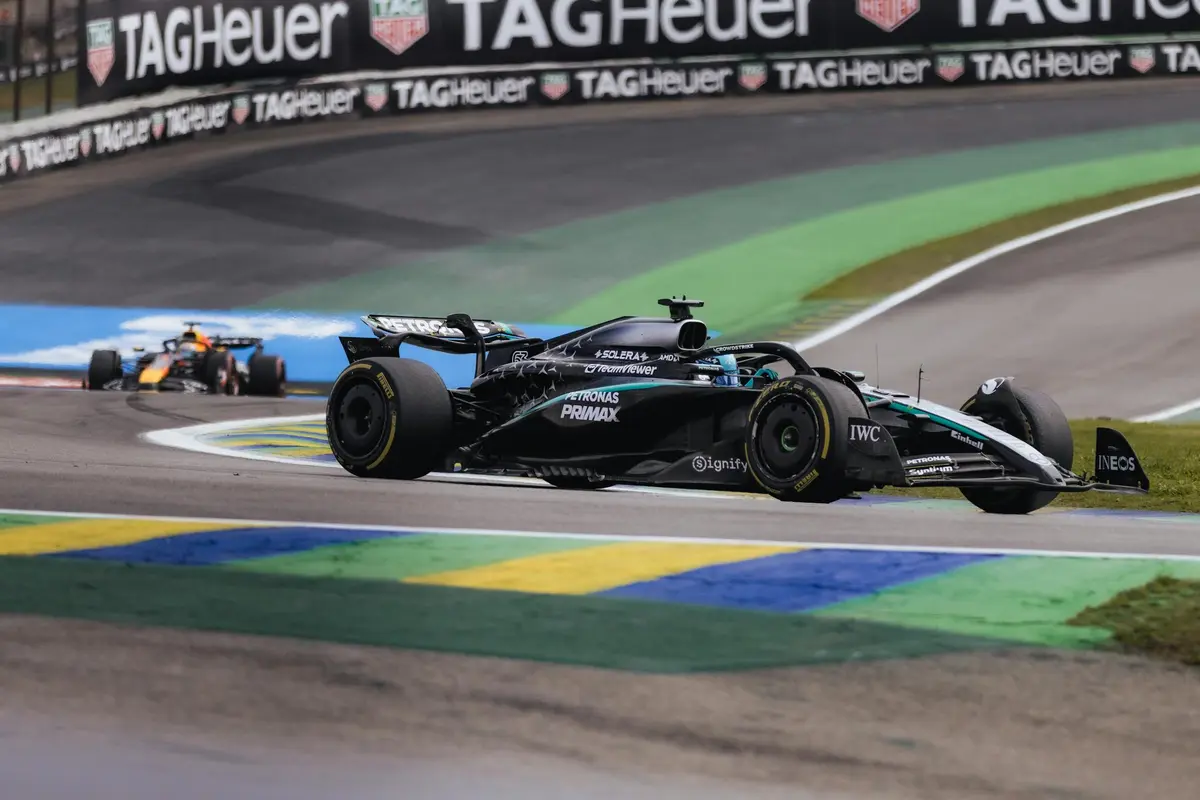
Carlos Sainz Opens Up on the Challenge of Driving 2026 F1 Cars
Carlos Sainz has offered a rare and candid insight into what it truly feels like to pilot one of Formula 1's new-generation 2026 cars, revealing that the sweeping regulatory overhaul has forced him to actively battle his own natural instinct behind the wheel. Speaking to MotorSportWeek, Sainz explained the intricate and often counterintuitive demands that the 2026 F1 regulations have placed on every driver on the grid — a challenge that goes far beyond raw speed and directly into the psychology of high-performance driving.
The 2026 Regulations: A Fundamental Shift in How F1 Cars Are Driven
The 2026 Formula 1 season introduced the most comprehensive technical reset the sport has seen in years. With the introduction of new aerodynamic philosophies — including active aerodynamics and the so-called "overtake boost" power deployment system — the cars demand an entirely different approach from drivers who have spent years, if not decades, honing specific techniques and reflexes.
For Sainz, the issue goes deeper than simply learning a new car. It is about overriding muscle memory and deeply ingrained driving habits. The 2026 regulations have fundamentally changed how aerodynamic downforce is generated and managed through a corner, meaning the way a driver applies inputs — whether braking, throttle, or steering — no longer produces the same predictable responses that experienced drivers have come to rely on.
Sainz's comments point to a particularly nuanced challenge: when a driver has competed at the highest level for many years, the body develops automatic responses. Entering a high-speed corner, for example, triggers a precise, practiced sequence of inputs that is executed almost unconsciously. Under the 2026 rules, those automatic responses can now work against a driver rather than for them, requiring a conscious override that costs fractions of a second — and in Formula 1, fractions are everything.
Active Aero and Overtake Boost: The Instinct-Breaking Factors
Central to the 2026 technical overhaul is the active aerodynamics system, which dynamically adjusts bodywork elements to optimise drag and downforce depending on driving conditions. Unlike the passive systems drivers previously adapted to, active aero responds to inputs and speed in ways that can feel alien, particularly when a driver's instinct is to push harder into a corner where the car's aerodynamic balance may now be in flux.
Compounding this is the revised hybrid power deployment system — widely referred to as the "overtake boost" — which gives drivers additional power at strategic moments. Managing the interplay between mechanical grip, aerodynamic grip, and electrical power deployment requires a cognitive layer that sits on top of traditional driving technique. For someone with Sainz's experience and established instincts, rewiring those reflexes is a genuine, ongoing battle.
This challenge is not unique to Sainz. Every driver on the 2026 grid — from multi-time champions to rookies encountering their first full Formula 1 season — faces the same recalibration. However, it is arguably the veterans with the most ingrained habits who face the steepest psychological adjustment curve.
Why Sainz's Perspective Matters in the 2026 Grid Context
Sainz's candid assessment is particularly significant given the current competitive landscape. In a 2026 grid that includes Max Verstappen seeking to maintain Red Bull's dominance alongside new teammate Isack Hadjar, Lewis Hamilton now in his second year at Ferrari alongside Charles Leclerc, and McLaren's Lando Norris and Oscar Piastri pushing hard for championship glory, the ability to adapt quickly to new regulations is a defining differentiator.
Drivers like Hamilton and Alonso bring unmatched experience but also decades of ingrained habit — making Sainz's observation about fighting natural instinct a theme that likely resonates across multiple garages up and down the pitlane. Even younger talents on the grid face their own version of this challenge as they try to build new instincts rather than dismantle old ones.
Sainz's willingness to publicly articulate this psychological dimension of driving also speaks to a broader truth about modern F1: the battle is increasingly as much mental as it is physical. Teams invest enormous resources in simulator preparation and data analysis, but ultimately, the driver must translate all of that preparation into unconscious competence at 300 km/h — and in 2026, that process of internalisation is harder than it has been for a generation.
Key Takeaways
- Carlos Sainz has revealed that the 2026 F1 regulations force drivers to fight their natural instinct behind the wheel.
- The new active aerodynamics system changes how downforce behaves through corners, disrupting established driver inputs.
- The overtake boost hybrid deployment system adds a cognitive layer that experienced drivers must consciously manage.
- Drivers with deeply ingrained techniques face the steepest adjustment curve under the new rules.
- Sainz's comments highlight that the 2026 challenge is as much psychological as it is technical or physical.
- Every team across the 2026 grid — from Red Bull and Ferrari to newcomers Cadillac and Audi — faces the same fundamental driver-adaptation challenge.
Frequently Asked Questions
What did Carlos Sainz say about driving 2026 F1 cars?
Carlos Sainz explained that the new 2026 F1 regulations have left him fighting his natural instinct as a driver. The changes to how the cars generate and manage aerodynamic downforce, combined with new power deployment systems, require drivers to consciously override deeply practised reflexes that no longer produce the expected results under the new rules.
How do the 2026 F1 regulations affect driver technique?
The 2026 regulations introduced active aerodynamics and a revised hybrid overtake boost system that fundamentally alter how a car responds to driver inputs. Braking points, corner entry, and throttle application all behave differently compared to previous-generation cars, meaning drivers must retrain muscle memory and develop new, regulation-specific instincts.
Which drivers are most affected by the 2026 F1 car changes?
While every driver on the 2026 grid faces adaptation challenges, experienced drivers with decades of ingrained technique — such as veterans across multiple teams — arguably face the most significant psychological adjustment. Sainz's comments suggest the phenomenon is universal, but the depth of habit-breaking required scales with years of experience.
Conclusion
Carlos Sainz's insight into the mental and physical demands of the 2026 Formula 1 cars offers a compelling window into just how transformative this season's regulatory changes truly are. Fighting natural instinct is not a minor inconvenience — it is a fundamental rewiring of the craft of racing at the highest level. As the 2026 season develops, how quickly and completely drivers across the grid manage this adaptation may well prove to be one of the most decisive factors in the championship battle ahead.
In this article
Written with AI assistance. How this site works