Bearman Brands Colapinto Suzuka Shunt 'Unacceptable' in F1 2026
Oliver Bearman has branded Franco Colapinto's role in the Japanese Grand Prix Suzuka shunt as 'unacceptable' in one of the most direct driver confrontations of the 2026 F1 season.
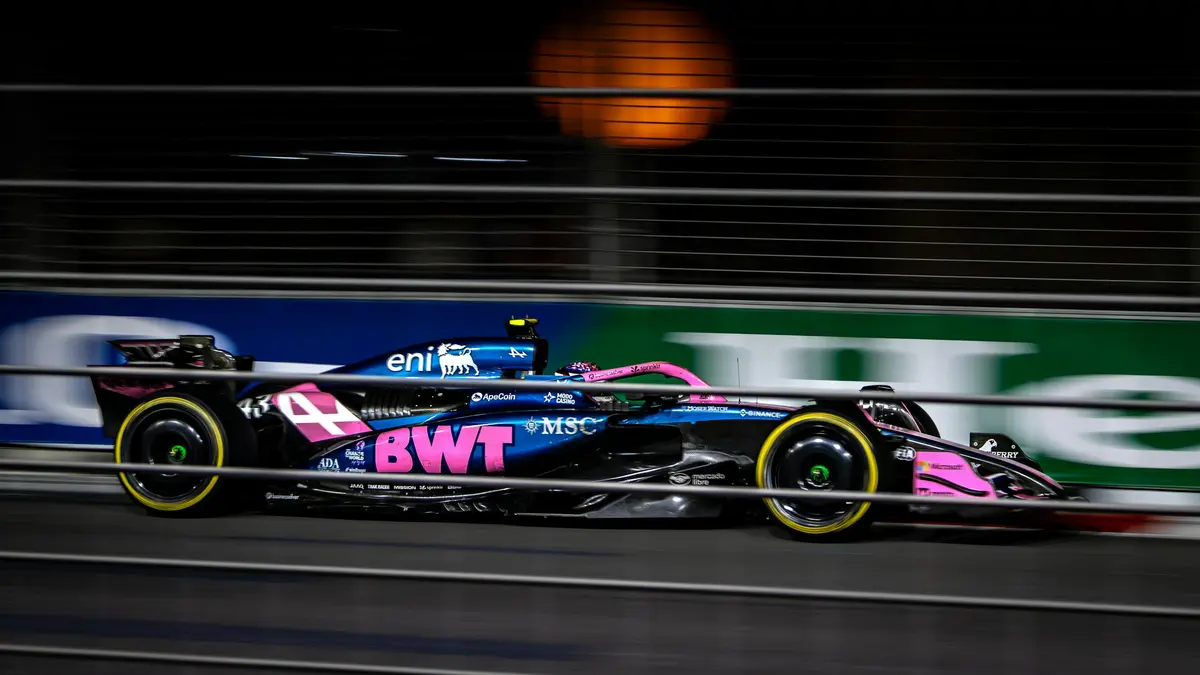
Oliver Bearman has issued a pointed and unflinching condemnation of Alpine's Franco Colapinto following a significant collision at the Japanese Grand Prix in Suzuka, labelling the Argentinian driver's actions as "unacceptable" in what amounts to one of the most direct driver-versus-driver public rebukes of the 2026 Formula 1 season so far. The incident has ignited debate across the paddock about racing standards, rookie responsibility, and the stewards' role in policing conduct on one of F1's most demanding circuits.
What Happened: The Suzuka Shunt Explained
Details of the exact mechanics of the collision — corner, lap, session — have not been officially confirmed beyond the source reporting, but what is clear is that the incident was severe enough to be described as a "huge shunt", indicating significant damage to at least Bearman's TGR Haas machinery, if not both cars involved. Suzuka's unforgiving layout, with its iconic high-speed Esses, the technically demanding Spoon Curve, and the flat-out 130R corner, leaves almost zero margin for error. Any sizeable contact at this circuit carries the potential for major consequences — for the cars, for championship points, and for the drivers involved.
Bearman, driving for TGR Haas in 2026, did not mince words when addressing the media in the aftermath. His decision to use the word "unacceptable" is significant — it is a term that carries weight in a paddock where drivers are frequently coached to deliver measured, diplomatic responses. That Bearman chose directness over diplomacy suggests a level of frustration that extends beyond a racing incident he could have shrugged off as a racing matter.
Bearman vs. Colapinto: A Clash of Young Talent in 2026
The collision brings two of Formula 1's most exciting young talents into direct conflict. Oliver Bearman, who impressed during his cameo appearances before securing his full-time seat at TGR Haas, has been building his reputation as a precise, composed, and mature racing driver. Colapinto, racing for Alpine in 2026 alongside Pierre Gasly, arrived in Formula 1 with enormous fanfare — his performances during his initial stint generated significant hype, and he carries enormous expectation from the Argentine fanbase and beyond.
This is precisely why Bearman's takedown carries such resonance. Both drivers are fighting to establish themselves in the upper echelons of the 2026 F1 grid. A collision of this nature — particularly one described as a "huge shunt" — can derail momentum, cost vital championship points, and damage a team's development programme during what is already a technically complex season under the 2026 regulations, which have introduced sweeping aerodynamic and power unit changes across the entire field.
The Broader Implications: Racing Standards in the 2026 F1 Era
The 2026 Formula 1 season has ushered in a new regulatory era, with revised aerodynamic philosophies and updated power unit regulations fundamentally altering how cars behave on track. In this environment, the margins between success and catastrophe are finer than ever. Drivers are still adapting to machinery that handles differently from anything seen in recent seasons — which, for some, raises questions about the threshold of acceptable risk on track.
Bearman's public stance adds pressure on the FIA stewards and race officials to scrutinise incidents like the Suzuka shunt with rigour. When a driver uses the word "unacceptable" openly and on record, it signals an expectation that the governing body should treat the matter with the gravity it deserves. It also raises the question of whether drivers newer to the full-time grid — like Colapinto in his current Alpine role — are being held to the same behavioural and technical standards as those with longer full-season experience.
For TGR Haas, the fallout from this incident is a genuine sporting and operational concern. The team, which also fields Esteban Ocon in 2026, will be acutely aware that unnecessary attrition in races — particularly in incidents that could have been avoided — costs them dearly in the constructors' championship standings.
Key Takeaways
- Oliver Bearman publicly condemned Franco Colapinto for his role in the Japanese Grand Prix shunt at Suzuka, describing it as "unacceptable."
- The incident was described as a "huge shunt", suggesting significant car damage and potential sporting consequences for both drivers and their teams.
- Bearman drives for TGR Haas in 2026 alongside Esteban Ocon; Colapinto races for Alpine alongside Pierre Gasly.
- Both drivers are young talents fighting to cement their reputations in what is already a fiercely competitive and technically demanding 2026 F1 season.
- The 2026 regulatory era adds complexity to on-track incidents, as drivers and teams adapt to new aerodynamic and power unit regulations.
- Bearman's directness puts pressure on FIA stewards to respond appropriately and signals broader concerns about racing standards this season.
Frequently Asked Questions
What did Oliver Bearman say about Franco Colapinto after the Suzuka incident?
Oliver Bearman described Franco Colapinto's role in the Japanese Grand Prix shunt at Suzuka as "unacceptable", delivering what has been widely characterised as a brutal and direct public takedown of the Alpine driver.
Which teams do Oliver Bearman and Franco Colapinto drive for in 2026?
In the 2026 Formula 1 season, Oliver Bearman competes for TGR Haas alongside Esteban Ocon, while Franco Colapinto races for Alpine alongside Pierre Gasly.
Why does the Bearman–Colapinto Suzuka shunt matter for the 2026 F1 season?
The incident matters because it involves two of the grid's most prominent young drivers, highlights ongoing questions about racing standards in the new 2026 regulatory era, and demonstrates that on-track collisions carry serious consequences — both for championship ambitions and for the reputations of emerging F1 talent. Bearman's willingness to speak out so forcefully also puts the FIA on notice regarding stewardship and accountability.
Conclusion
Oliver Bearman's "unacceptable" verdict on Franco Colapinto's role in the Suzuka shunt is more than a headline-grabbing soundbite — it is a statement of principle from a driver who clearly believes on-track standards must be maintained regardless of how competitive or complex the 2026 Formula 1 season becomes. As both drivers continue to battle for recognition and results, how they — and the FIA — respond to this episode could define a significant subplot of the season ahead.
Written with AI assistance. How this site works