Aston Martin 'Not a Happy Ship' in F1 2026 Crisis
Sky Sports F1 insider David Croft has branded Aston Martin 'not a happy ship' as the team reels from a disastrous start to the 2026 F1 season.
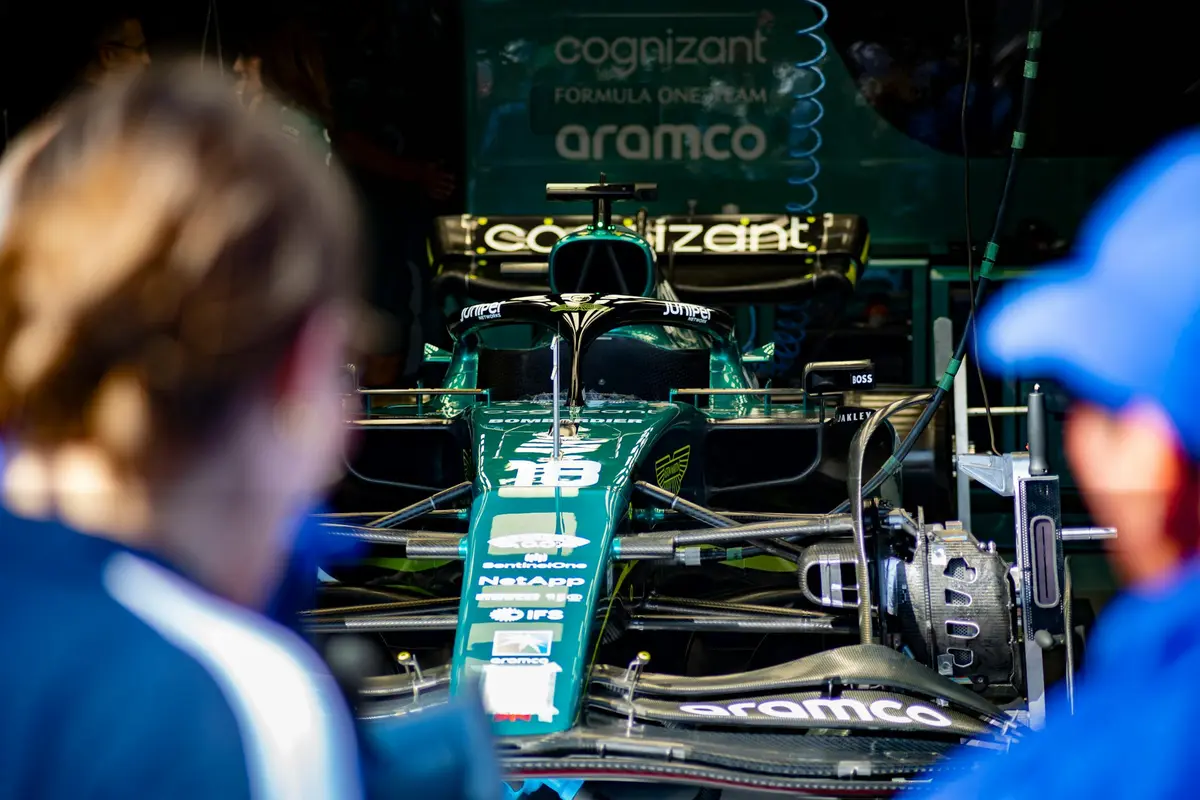
Aston Martin Described as 'Not a Happy Ship' Amid Disastrous 2026 F1 Season Start
Aston Martin's 2026 Formula 1 campaign has hit severe turbulence, with Sky Sports F1 commentator and insider David Croft delivering a damning assessment of the mood inside the Silverstone-based outfit. Croft's blunt verdict — that Aston Martin is 'not a happy ship' — reflects a wider sense of crisis that has gripped the team following what can only be described as a disastrous start to the 2026 season. For a team that once harboured genuine aspirations of competing at the very front of the grid, this is a sobering reality check.
David Croft's Assessment: Reading Between the Lines
When a broadcaster as experienced and well-connected as David Croft uses the phrase 'not a happy ship', it carries significant weight. Croft has spent decades embedded in the Formula 1 paddock, cultivating relationships with engineers, team principals, and drivers alike. His remarks are rarely throwaway. The language of a 'ship' in distress evokes more than a bad run of results — it suggests internal discord, misaligned expectations, and a team struggling to find unity of purpose precisely when cohesion matters most.
The timing is particularly significant. The 2026 season represents the most sweeping regulatory overhaul in modern F1 history, with entirely new power unit regulations and revised aerodynamic philosophies — including the active aerodynamics and overtake boost systems — reshaping the competitive order from the ground up. Every team on the grid has been fighting to understand and unlock new technical territory. For Aston Martin, those challenges appear to have compounded rather than dissipated as the season has progressed into its early rounds.
A dysfunctional internal atmosphere, if Croft's characterisation is accurate, would make an already demanding engineering challenge considerably harder to overcome. Decision-making slows, morale dips, and the collaborative spirit that underpins high-performance motorsport is eroded. The Aston Martin 2026 crisis is therefore not simply a story about lap times — it is a story about the health of an entire organisation.
The Scale of Aston Martin's 2026 Struggles
Aston Martin entered the 2026 season with the retained driver pairing of Fernando Alonso and Lance Stroll. Alonso, one of the sport's most decorated and analytically demanding drivers, brings an uncompromising expectation of competitiveness. When a car fails to deliver, his frustration — whether expressed publicly or channelled through blunt technical feedback — becomes a powerful indicator of just how far off the pace a team truly is. Stroll, meanwhile, carries the additional weight of operating under the ownership of his father Lawrence Stroll, meaning that team performance carries personal and financial stakes at the very highest level.
The Aston Martin F1 2026 performance issues arrive in a wider context of a grid that has been significantly reshuffled by the new regulations. Teams such as McLaren, Ferrari, Red Bull, and Mercedes have all invested enormous resources into interpreting the new technical ruleset. Aston Martin, despite significant infrastructure investment at their Silverstone campus in recent seasons, has apparently not translated that investment into on-track competitiveness during these critical early rounds of 2026.
Why the 'Not a Happy Ship' Label Matters in F1
In the hyper-competitive environment of modern Formula 1, team culture is not a soft metric — it is a performance variable. Teams that communicate well, retain key personnel, and maintain alignment between the technical, commercial, and sporting arms of their organisations consistently outperform those beset by internal friction. The Aston Martin internal issues 2026 narrative, as framed by Croft, raises legitimate questions about leadership, strategic direction, and whether the team's ambitious long-term project remains on track.
History provides cautionary tales aplenty. Teams that have cycled through leadership disruption or suffered deep morale crises mid-season have rarely managed to arrest their decline within the same campaign. Recovery, when it comes, tends to require a winter of structural reassessment. For Aston Martin, that is a painful prospect given the investment poured into becoming a front-running constructor.
Key Takeaways
- Sky Sports F1 insider David Croft has described Aston Martin as 'not a happy ship' in 2026, signalling significant internal tension.
- The team has endured a disastrous start to the 2026 F1 season, compounding the challenges of adapting to sweeping new regulations.
- Fernando Alonso and Lance Stroll remain Aston Martin's driver pairing, with Alonso's high expectations adding pressure to an already strained environment.
- The 2026 regulatory overhaul — featuring new power unit rules and active aerodynamics — has reshuffled the competitive order across the entire grid.
- Internal team cohesion is a critical performance variable in F1; Croft's assessment suggests Aston Martin faces structural as well as technical challenges.
- Recovery within the same season appears difficult; a deep-rooted reset may be required before meaningful progress is made.
Frequently Asked Questions
What did David Croft say about Aston Martin in 2026?
Sky Sports F1 commentator and insider David Croft stated that Aston Martin is 'not a happy ship', characterising the team as being in a state of crisis following a disastrous start to the 2026 Formula 1 season.
Who are Aston Martin's drivers in the 2026 F1 season?
Aston Martin are running Fernando Alonso and Lance Stroll as their driver pairing for the 2026 Formula 1 season.
Why is the 2026 F1 season particularly challenging for Aston Martin?
The 2026 season introduced the most comprehensive regulatory changes in modern Formula 1, including new power unit regulations and active aerodynamic systems. Aston Martin has struggled to extract competitive performance from its new machinery under these regulations, and internal tensions described by paddock insiders have further complicated the team's recovery efforts.
Conclusion
David Croft's verdict that Aston Martin is 'not a happy ship' is one of the more telling assessments to emerge from the 2026 Formula 1 paddock so far. It encapsulates not just a poor run of results, but a broader malaise that threatens to define the team's season unless swift corrective action is taken. With a demanding regulatory landscape, two drivers of contrasting profiles, and significant investment expectations to meet, Aston Martin faces a defining period in their Formula 1 project. How the team responds to this Aston Martin 2026 crisis will determine whether this is a temporary setback or a more serious structural problem.
In this article
Written with AI assistance. How this site works