Verstappen Banishes Reporter at Red Bull Media Session
Max Verstappen expelled a British journalist from a Red Bull media session ahead of the Japanese GP, sparking FIA intervention calls from press groups.
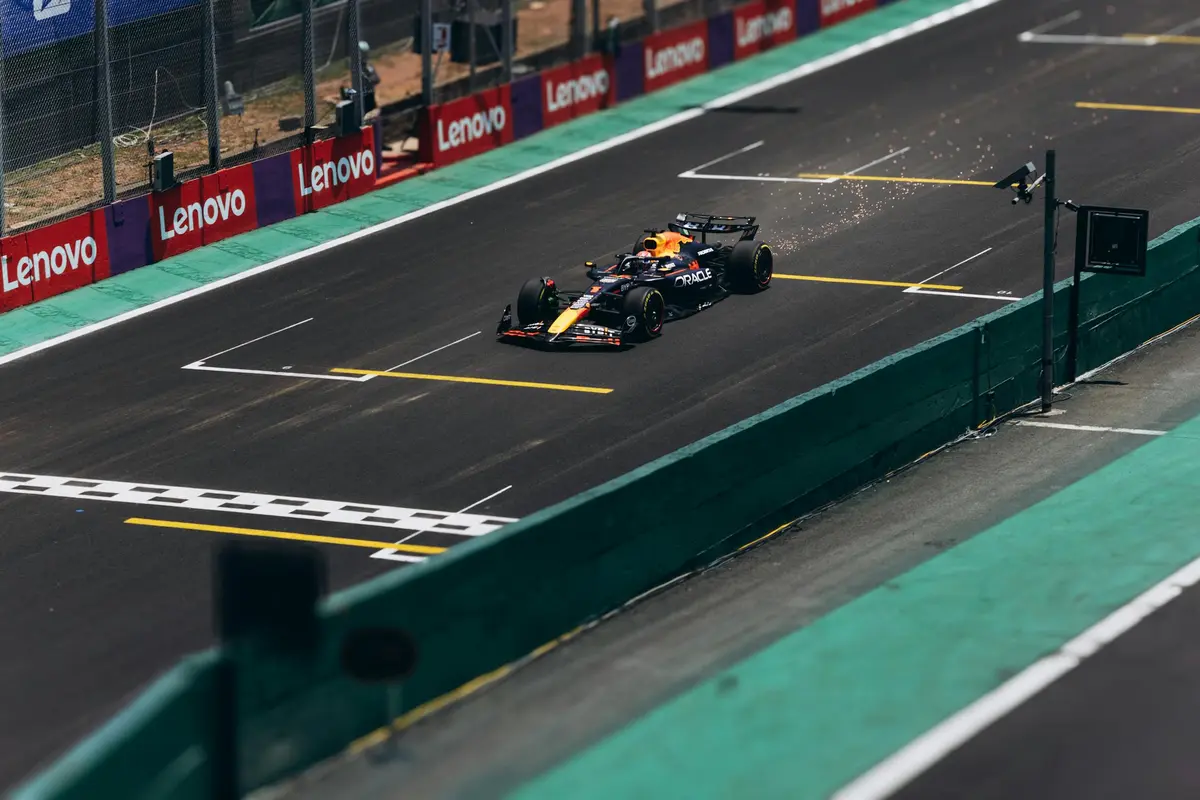
Verstappen Removes British Journalist from Red Bull Media Session Ahead of Japanese Grand Prix
A significant press freedom controversy has erupted in the Formula 1 paddock after Max Verstappen personally expelled a British reporter from an official Red Bull Racing media session held ahead of the Japanese Grand Prix. The incident has drawn swift condemnation from the international motorsport journalism community, with multiple respected outlets now formally calling on the FIA — Formula 1's governing body — to investigate and take decisive action. The episode raises serious questions not only about driver conduct but also about the institutional frameworks that govern media access at the highest level of motorsport in 2026.
Detailed Analysis: What Happened and Why It Matters
The specifics of the Red Bull media session incident are stark. According to reports, Verstappen took it upon himself to directly remove a British journalist from what should have been a structured, professionally managed press engagement — a setting in which the FIA's own media regulations are supposed to guarantee fair and equal access to all accredited reporters. The identity of the journalist and the precise reason Verstappen cited for the expulsion have not been fully detailed in the source material, but the act itself is being treated as a serious breach of paddock protocol.
For the Red Bull Racing organisation, this creates a dual layer of concern. First, there is the direct reputational dimension: Red Bull has spent the better part of the hybrid era cultivating an image as a commercially polished, media-savvy operation. Having a driver unilaterally dictate who may or may not attend a media session cuts directly against that positioning. Second, and arguably more consequential for the sport as a whole, is the precedent this sets. If a driver can expel a credentialled journalist without institutional consequence, it undermines the entire infrastructure of regulated media access that the FIA has worked to formalise.
Journalists and press organisations have been unequivocal: this is not merely a personality clash but a structural challenge to editorial independence within F1. The calls directed at the FIA are specifically requesting that governing body protocols be enforced, ensuring that accredited media personnel cannot be removed from sanctioned sessions by team personnel or drivers. In 2026, with the sport's commercial footprint larger than ever — amplified by new broadcast deals and expanded digital media rights — the relationship between the paddock and the press is commercially as well as ethically significant.
It is also worth noting the broader context of Verstappen's relationship with the media. The four-time World Champion has had a notoriously fractious dynamic with certain sections of the press throughout his career, and while that personal friction is well-documented, the direct physical act of removing an accredited journalist from an official Red Bull media session represents an escalation that even Verstappen's most ardent defenders acknowledge crosses a professional line. The FIA must now decide whether its media access regulations carry genuine enforcement weight or remain largely ceremonial.
Context: How This Fits the 2026 Season Narrative
The 2026 Formula 1 season has already proven to be a period of profound transition. The sweeping technical regulation overhaul — introducing active aerodynamic systems (where bodywork elements physically adjust their angles in real time to balance downforce and drag) and revised power unit architecture — has reshuffled the competitive order and placed every team under enormous internal pressure. Red Bull Racing, no longer the dominant force it was between 2022 and 2024, is navigating a more uncertain championship picture alongside Verstappen and rookie Isack Hadjar.
In that pressurised environment, media scrutiny of Red Bull has naturally intensified. Questions around the team's technical direction, Verstappen's adaptability to the new regulations, and Hadjar's development trajectory are all legitimate lines of journalistic inquiry. The Red Bull media session incident, occurring in this charged atmosphere ahead of the Japanese Grand Prix, suggests that tensions between the team and at least portions of the media have reached a new flashpoint. How the FIA responds will set a tone not just for the remainder of 2026 but for the sport's relationship with independent journalism going forward.
Key Takeaways
Max Verstappen personally removed a British journalist from an official Red Bull media session ahead of the Japanese Grand Prix, prompting widespread condemnation.
International journalists and press bodies have formally called on the FIA to enforce media access regulations and take action against those responsible.
The incident poses a reputational risk for Red Bull Racing as a commercially prominent team that relies heavily on positive media engagement and brand perception.
The FIA's response — or lack thereof — will determine whether its media accreditation rules carry enforceable authority or remain effectively voluntary.
Frequently Asked Questions
Why did Max Verstappen remove a journalist from the Red Bull media session ahead of the Japanese Grand Prix?
The precise reason Verstappen gave for expelling the British journalist from the official Red Bull media session has not been fully disclosed in available reports. However, the act itself has been widely condemned as a breach of paddock media protocols, regardless of any personal grievance that may have motivated it.
What action can the FIA take against Red Bull Racing following the media session controversy?
The FIA holds the authority to enforce its media access and accreditation regulations, which are designed to guarantee credentialled journalists fair access to sanctioned team sessions. Potential actions could range from formal warnings to Red Bull Racing and/or Verstappen personally, through to more structural interventions in how team media sessions are governed and supervised at race weekends.
How does the Red Bull media session incident affect Verstappen's standing with F1's press community in 2026?
The incident is likely to further strain Verstappen's already complex relationship with sections of the motorsport media. In the competitive context of the 2026 season — where Red Bull Racing is under greater scrutiny than in its dominant years — antagonising the press corps carries tangible reputational and narrative consequences for both the driver and the team heading into the remainder of the championship.
Conclusion: All Eyes on the FIA's Next Move
The ball is now firmly in the FIA's court. The Red Bull media session controversy ahead of the Japanese Grand Prix is not a story that will quietly dissolve — not with journalists and press organisations actively demanding a formal response from the governing body. For Red Bull Racing, the priority must be damage limitation and a reaffirmation of its commitment to professional media engagement. For Verstappen, the episode is an unwanted distraction at a critical point in a fiercely competitive 2026 season. And for the FIA, this is a defining moment to demonstrate that its media access framework is more than a paper exercise. The sport — and its press corps — is watching closely.
In this article