Red Bull Racing 2026: Verstappen Slams Season Start
Max Verstappen slams the 2026 regulations as 'Formula E on steroids' while Lewis Hamilton praises the new era. Deep dive into Red Bull Racing's 2026 struggles.
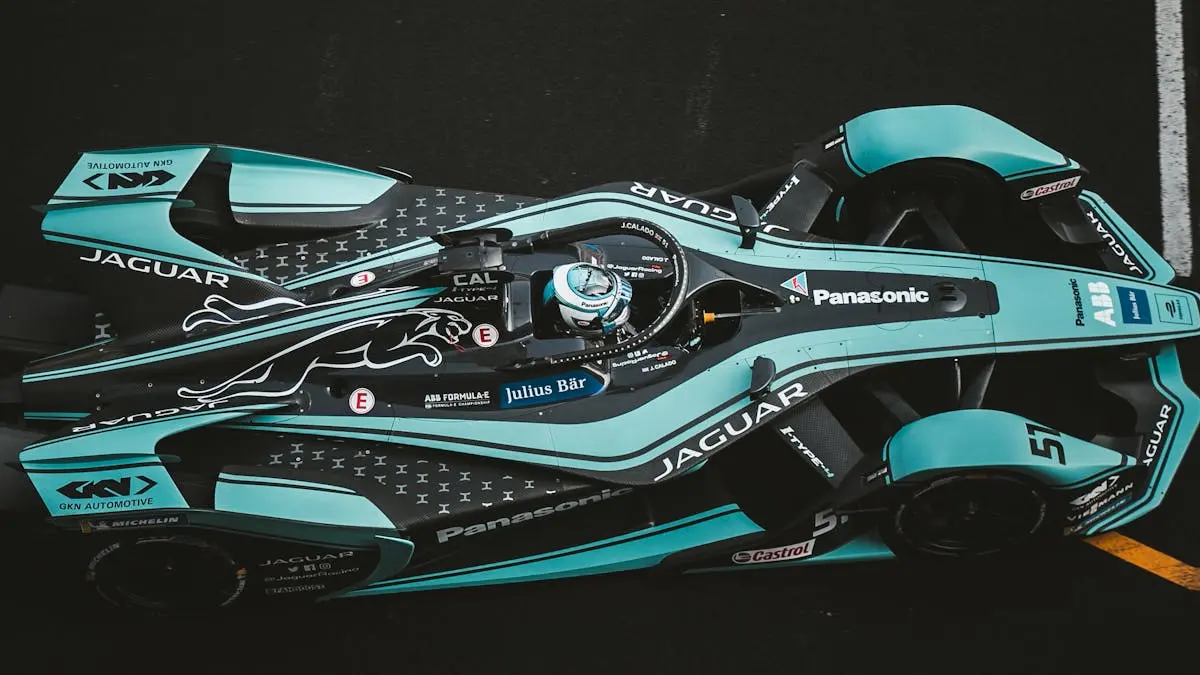
The Great Divide: Verstappen and Hamilton Clash Over 2026 Regulations
As the 2026 Formula 1 season unfolds, a massive ideological rift has opened between the sport's two most decorated champions. While the new technical era was designed to promote closer racing and sustainable technology, the feedback from the cockpit has been anything but unanimous. Lewis Hamilton, now settled into his seat at Ferrari, has praised the new direction, suggesting that the regulations have finally delivered "what racing should be." However, the sentiment is starkly different at the Milton Keynes camp. Max Verstappen, leading the charge for Red Bull Racing 2026, has emerged as the most vocal critic of the new formula, raising serious concerns about the fundamental nature of the sport.
Technical Analysis: Why Verstappen Calls it 'Formula E on Steroids'
The core of Verstappen’s frustration lies in the radical shift in power delivery. The 2026 power units feature a nearly 50/50 split between the internal combustion engine (ICE) and electrical deployment. To maintain this level of electrical output, drivers are forced into extreme levels of energy management. Verstappen’s comparison to "Formula E on steroids" refers to the necessity of "lift-and-coast"—a technique where a driver releases the throttle before the braking zone to harvest energy. In the Red Bull Racing 2026 RB22, this has become a dominant part of the driving profile, rather than a niche strategy.
The 2026 regulations introduced several complex systems to manage this power. The Manual Override is a driver-controlled energy boost system designed to facilitate overtaking by providing additional electrical deployment at high speeds. While this was intended to replace DRS in a more tactical way, Verstappen argues it feels artificial. Furthermore, the Active Aero system—movable front and rear wings that adjust their angle to balance downforce in corners and minimize drag on straights—has added another layer of complexity that the Dutchman finds distracting from the pure act of driving. For a driver who thrives on pushing a car to its absolute limit, the requirement to manage a battery state-of-charge for 100% of the lap is a frustrating departure from the "flat-out" racing of previous decades.
The Impact of Energy Management on Race Strategy
Under the guidance of Team Principal Laurent Mekies, Red Bull Racing 2026 has had to pivot its entire engineering philosophy. The team, which historically excelled in aerodynamic efficiency, is now grappling with the constraints of the Red Bull Ford powertrain. The "lift-and-coast" requirement means that even if a car is aerodynamically superior, it can be hamstrung by a lack of electrical recovery. This creates a scenario where the fastest car over a single lap may not be the fastest over a race distance, as the energy deployment becomes the primary performance bottleneck.
Context: Red Bull's Narrative in the 2026 Championship
This technical friction comes at a pivotal moment for the team. 2026 marks the first year Red Bull operates as a full works constructor, producing both the chassis and the power unit in-house. With Max Verstappen paired alongside the rising talent Isack Hadjar, the pressure to perform is immense. Verstappen’s vocal criticism may be more than just a personal preference; it could signal that the Red Bull Ford unit is finding the energy recovery targets more challenging than their rivals at Ferrari or Mercedes. If the Red Bull Racing 2026 package requires more lift-and-coast than the Ferrari driven by Hamilton, the championship battle could be decided by software algorithms and battery efficiency rather than raw cornering speed.
Key Takeaways from the 2026 Regulation Debate
- Ideological Split: Lewis Hamilton views the 2026 efficiency requirements as a positive evolution of racing, while Max Verstappen views them as a detriment to the sport's DNA.
- Energy Management: The 50/50 power split has made lift-and-coast a mandatory tactical requirement, leading to Verstappen's "Formula E on steroids" critique.
- Technical Complexity: Systems like Active Aero and Manual Override are redefining the driver's role, moving it toward systems management.
- Red Bull's Challenge: As a new power unit manufacturer, Red Bull Racing faces a steep learning curve in balancing ICE output with electrical harvesting.
Frequently Asked Questions
Why is Max Verstappen critical of the Red Bull Racing 2026 car's energy management?
Verstappen believes the heavy reliance on electrical power and the resulting need for constant lift-and-coast harvesting detracts from the "flat-out" nature of Formula 1, making the cars feel more like endurance or electric series vehicles.
How is Red Bull Racing 2026 adapting to the new power unit regulations?
Under Team Principal Laurent Mekies, the team is focusing on integrating the new Red Bull Ford powertrain with an advanced aerodynamic package that utilizes Active Aero to compensate for the energy recovery demands of the 2026 rules.
What is the 'Manual Override' system mentioned in the 2026 context?
The Manual Override is a new-for-2026 electronic system that allows drivers to deploy a burst of extra electrical energy to aid in overtaking, replacing the traditional DRS-only approach with a more tactical energy-based solution.
Conclusion: The Road Ahead for Milton Keynes
As we move further into the 2026 season, the tension between the drivers and the regulations is likely to intensify. For Red Bull Racing 2026, the task is clear: they must find a way to make the energy management more seamless for Verstappen, or risk losing their star driver's focus to his frustrations. While Hamilton and Ferrari seem to have embraced the "chess match" of modern F1, Red Bull is fighting to keep the "gladiator" spirit alive. The upcoming rounds will be a definitive test of whether the RB22 can overcome its harvesting hurdles and prove Verstappen's criticisms wrong on the track.