Red Bull RB22 Crisis: Verstappen Unhappy With New Package
Max Verstappen is unhappy with Red Bull's latest RB22 upgrade, and the crisis at Milton Keynes shows no signs of ending in 2026.
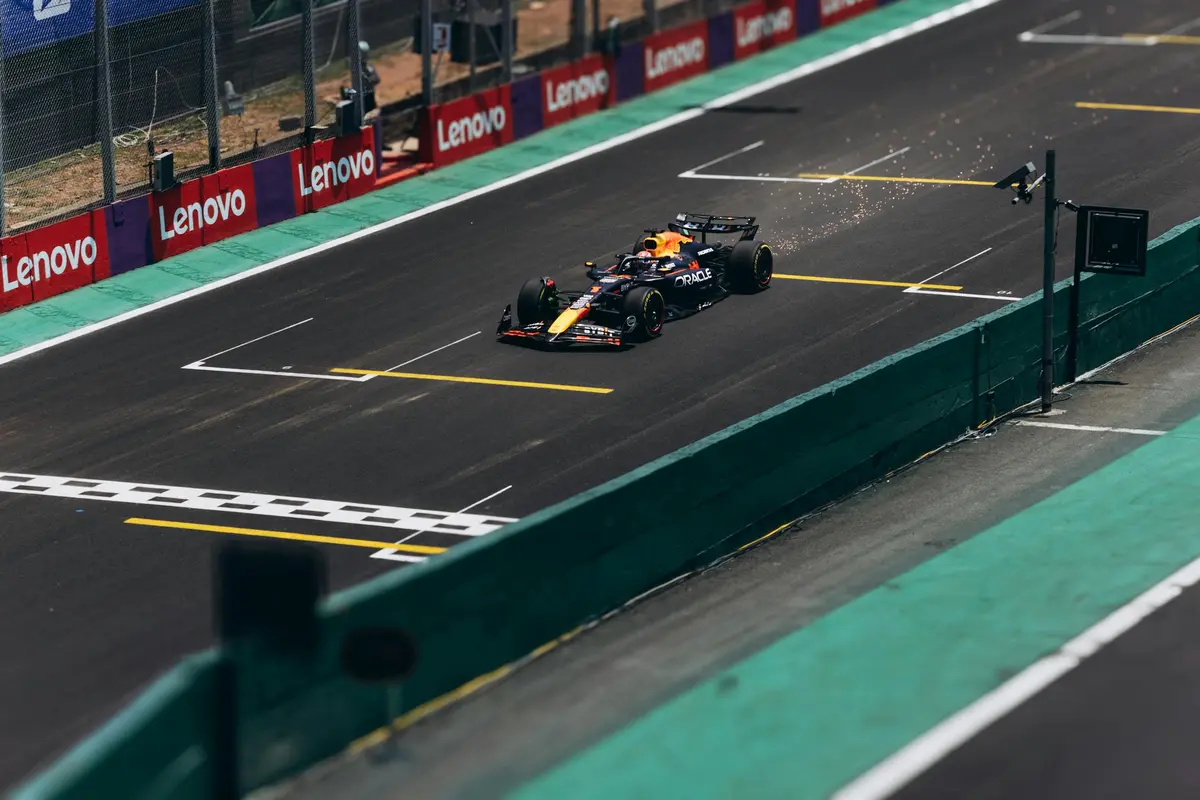
Red Bull's RB22 Upgrade Crisis Deepens as Verstappen Loses Confidence
The Red Bull RB22 crisis shows no sign of abating in 2026, with four-time world champion Max Verstappen openly expressing his dissatisfaction with the latest upgrade package rolled out by the Milton Keynes-based outfit. According to reports from GPfans, Verstappen is far from thrilled with the new components introduced on the RB22, and the mood within the team is understood to be deeply concerning. For a constructor that has dominated Formula 1 in recent memory, the current situation represents a significant and troubling shift in the competitive landscape of the 2026 season.
Detailed Analysis: What Is Going Wrong at Red Bull?
The Red Bull RB22 crisis is multi-layered and cannot be reduced to a single performance variable. When a team of Red Bull's calibre introduces a new upgrade package and its lead driver — a four-time world champion no less — fails to find confidence or improved performance, the implications are severe. Verstappen's dissatisfaction signals one of two possible realities: either the upgrade package has fundamentally failed to deliver the intended aerodynamic and mechanical gains, or worse, it has actively introduced new problems that are harder to solve than those it was meant to fix.
In the context of the 2026 technical regulations, this is particularly significant. The 2026 Formula 1 rules represent the most sweeping regulatory overhaul in years, introducing entirely new power unit architecture and a dramatically revised aerodynamic philosophy. Teams are operating under Active Aero systems — a concept where the car's bodywork actively adjusts its angle and shape at speed to manage drag and downforce dynamically — which adds a layer of complexity that even the most experienced engineering departments are struggling to fully optimise. If Red Bull's new package has failed to harmonise the Active Aero interaction with the car's mechanical baseline, Verstappen's feedback would be entirely consistent with a car that feels fundamentally inconsistent and difficult to trust.
Furthermore, the RB22 has reportedly been a challenging platform from its earliest development phases. Bringing an upgrade that fails to resolve core handling or balance issues not only costs points in the short term but erodes driver confidence over a prolonged period. Verstappen, more than almost any driver on the current grid, is acutely sensitive to rear-end stability and the ability to drive the car on the limit of mechanical and aerodynamic grip. A package that undermines those qualities would naturally produce the kind of reaction now being reported publicly.
The situation in Milton Keynes is further complicated by the internal pressure that comes with expectation. Red Bull's infrastructure, budget, and technical talent should theoretically place them among the front-runners in 2026. The fact that the Red Bull RB22 crisis persists despite a dedicated upgrade push suggests that the team may be chasing a fundamental concept issue rather than a straightforward setup problem — a far more time-consuming and resource-intensive challenge to resolve.
Context: The 2026 Season Narrative and Red Bull's Struggles
The 2026 Formula 1 season was always going to be defined by which teams could adapt most swiftly to the new regulations. The restructured power unit formula — which introduces a more equal split between internal combustion and electrical energy deployment — combined with the new aerodynamic framework has reshuffled the competitive order significantly. Red Bull, having dominated the turbo-hybrid era through supreme chassis performance and their partnership with Honda's power unit programme, are now navigating a landscape where their traditional strengths may not offer the same decisive advantage.
For Isack Hadjar, Verstappen's team-mate in 2026, the situation adds further complexity. Hadjar is a highly rated rookie talent, but he is now being asked to develop his Formula 1 career in a car that even a seasoned champion finds deeply unsatisfying. The Red Bull RB22 crisis therefore has ramifications not just for championship ambitions but for the development trajectory of the entire team through 2026 and beyond. Rivals at McLaren, Ferrari, and Mercedes will be monitoring these developments with considerable interest.
Key Takeaways
- Max Verstappen is openly dissatisfied with Red Bull's latest upgrade package on the RB22, signalling the new components have failed to deliver the expected performance gains.
- The Red Bull RB22 crisis in 2026 persists despite a dedicated development push, suggesting a potential fundamental concept issue rather than a simple setup problem.
- The complexity of 2026's Active Aero regulations — where bodywork dynamically adjusts to manage drag and downforce — may be contributing to Red Bull's difficulty in unlocking consistent car performance.
- Rookie team-mate Isack Hadjar faces an additional challenge developing his F1 career in a car that its lead driver publicly lacks confidence in.
- Competitor teams at McLaren, Ferrari, and Mercedes are well-positioned to capitalise on Red Bull's ongoing struggles if the Milton Keynes outfit cannot find rapid solutions.
Frequently Asked Questions
Why is Max Verstappen unhappy with the Red Bull RB22 upgrade package in 2026?
Verstappen is reportedly dissatisfied because the new upgrade package introduced on the RB22 has failed to deliver the improvements expected. In the complex 2026 regulatory environment, it appears the updates have not resolved the car's core performance or handling issues, leaving the reigning champion unable to drive the car with the confidence and commitment he requires to challenge at the front of the grid.
What is the nature of the Red Bull RB22 crisis in the 2026 Formula 1 season?
The Red Bull RB22 crisis in 2026 refers to a sustained period of underperformance and internal frustration at the Milton Keynes team. Despite significant resources and a highly talented engineering department, Red Bull has been unable to produce a car that fully satisfies their lead driver, with an upgrade package intended to address these issues reportedly falling short of expectations. The situation suggests a deep-seated concept or development direction problem rather than surface-level setup issues.
How does Red Bull's 2026 struggle impact Isack Hadjar's rookie season?
Isack Hadjar, joining Red Bull Racing as Verstappen's team-mate in 2026, faces the difficult challenge of learning Formula 1 at the highest level in a car that even a four-time world champion finds deeply unsatisfying. The Red Bull RB22 crisis means Hadjar is not only navigating the steep learning curve of his debut season but doing so without the benefit of a competitive, confidence-inspiring platform beneath him.
Conclusion: Can Red Bull Solve the RB22 Problem?
The Red Bull RB22 crisis is one of the defining stories of the 2026 Formula 1 season so far, and the pressure on the technical team in Milton Keynes is immense. With Verstappen's public dissatisfaction now on record following a failed upgrade push, the team faces an urgent need to diagnose the root cause of their performance deficit and chart a credible development path forward. Until they do, rival teams will continue to pull away in both the Drivers' and Constructors' Championships. All eyes will be on Red Bull's next steps — and whether they can turn this crisis into a comeback story.