Max Verstappen's 2026 Power Unit Concerns at Red Bull
Max Verstappen has openly criticised the 2026 power unit regulations — here's what it means for Red Bull Racing's championship ambitions this season.
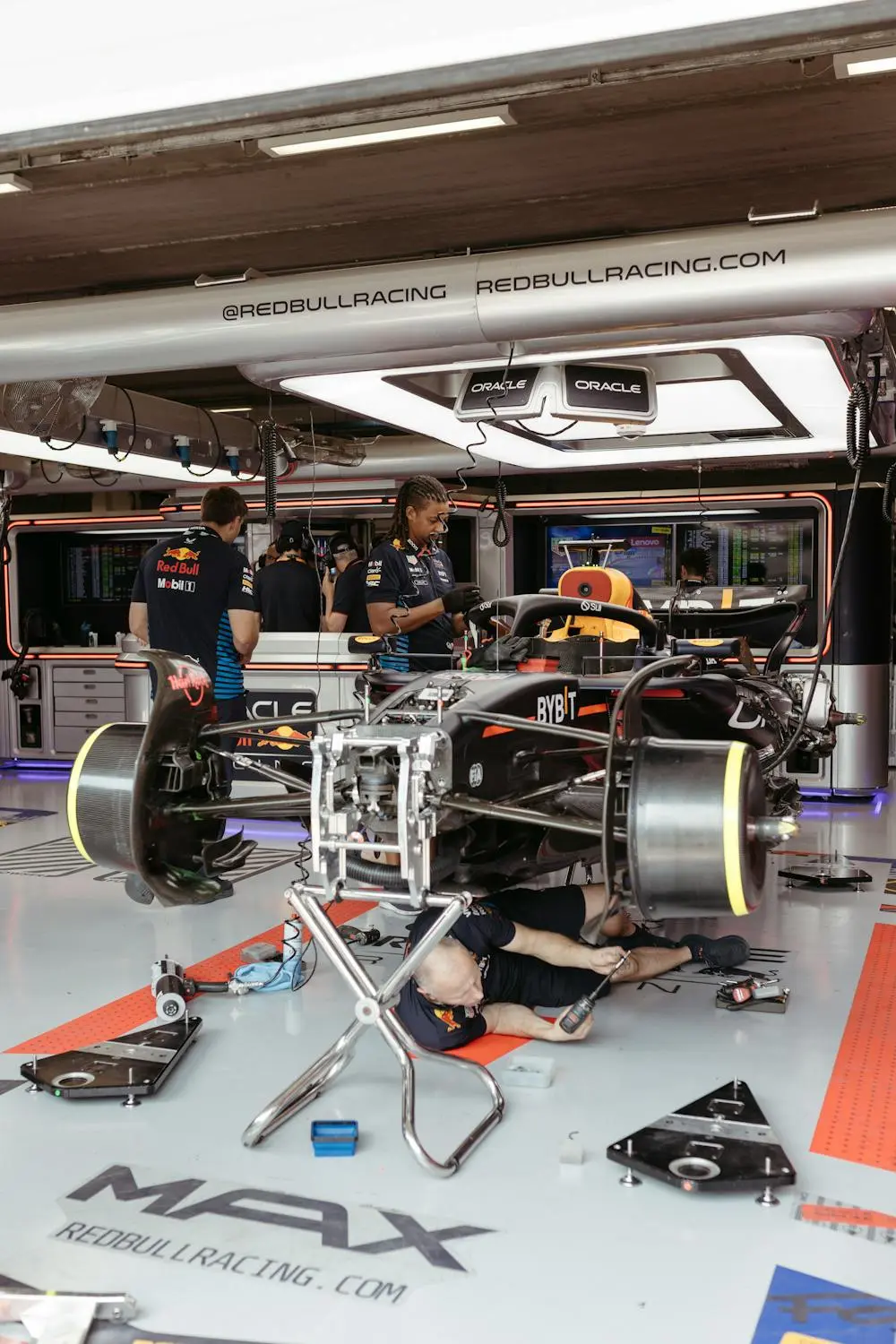
Max Verstappen Voices Discontent With 2026 Power Unit Regulations
It is no secret that four-time Formula 1 World Champion Max Verstappen is not the biggest fan of the sweeping new power unit regulations introduced to the sport in 2026. For Red Bull Racing, a team that has built its recent dynasty on extracting maximum performance from its technical partnerships, Verstappen's well-documented scepticism toward the new power unit framework carries significant weight — both in the paddock and in the broader championship conversation. As the 2026 season gets underway, the question is no longer simply whether these regulations suit Red Bull's DNA, but whether the team can adapt fast enough to remain at the sharp end of the grid.
Detailed Analysis: Why the 2026 Power Unit Regulations Are so Divisive
The 2026 Formula 1 power unit regulations represent the most dramatic overhaul of F1's hybrid architecture in over a decade. The new framework places a far greater emphasis on electrical power, with the electrical deployment component now contributing a substantially higher proportion of total power output compared to the previous hybrid era. For drivers like Verstappen, who prize mechanical predictability and raw, responsive performance, this shift introduces a fundamentally different driving experience that requires significant adaptation.
One of the most debated elements of the new power unit structure is the concept of the so-called Boost Button — a driver-controlled mechanism that allows the deployment of additional stored electrical energy over a defined period, giving the driver agency over short-burst performance windows. While this adds a strategic layer to racing, it also means power delivery is less linear and more dependent on energy management, something that demands a very different driving style than the one Verstappen has refined over his championship-winning campaigns.
Compounding these concerns for Red Bull Racing is the reality of their power unit supply arrangement for 2026. Having parted ways with Honda and then transitioning through their own Red Bull Powertrains project, the team enters this new regulatory era needing to prove that their in-house or partner power unit is genuinely competitive against the likes of Ferrari, Mercedes, and the rebranded Audi operation. Any deficiency in raw power unit performance is particularly damaging in 2026, given how heavily the regulations weight electrical output as a performance differentiator.
Additionally, the 2026 regulations introduce sweeping changes to aerodynamic philosophy, including Active Aero — a system where bodywork elements automatically adjust their angle and configuration to balance drag and downforce depending on speed and cornering phase. This interplay between active aerodynamics and the new power unit's energy deployment strategy creates an extraordinarily complex optimization problem for chassis and power unit engineers. For Red Bull, historically brilliant at chassis development, this could be an opportunity — but only if the power unit side of the equation is strong enough to underpin their aero philosophy.
Context: How Verstappen's Concerns Fit the 2026 Season Narrative
Verstappen's scepticism toward the 2026 power unit regulations is not an isolated personal preference — it reflects a wider anxiety felt across multiple teams and driver lineups as the paddock collectively grapples with one of the most complex technical transitions in the sport's modern history. The 2026 regulations were designed with ambitious goals: greater sustainability, tighter competition, and a more road-relevant power unit formula. In theory, they level the playing field. In practice, they have created enormous uncertainty.
For Red Bull Racing specifically, the 2026 season represents perhaps their most significant inflection point since the team's dominant 2022-2024 era. With Max Verstappen — their four-time champion and undisputed talisman — openly uncomfortable with the new power unit framework, there is a tangible concern that the team could face a challenging adaptation period. Isack Hadjar, Verstappen's team-mate in 2026, also faces the challenge of learning the new regulations while establishing himself as a grand prix racer at the highest level, adding further pressure to the team's technical infrastructure.
Key Takeaways
- Max Verstappen has publicly expressed that he is not a fan of the new 2026 power unit regulations, signalling potential performance concerns for Red Bull Racing.
- The 2026 power unit framework dramatically increases the role of electrical energy deployment, fundamentally altering driving style requirements compared to the previous era.
- Red Bull's in-house power unit project faces its first real competitive test under the new 2026 regulations, with rival manufacturers also having invested heavily in their own new-spec units.
- Active Aero and Boost Button systems add significant strategic and technical complexity, demanding seamless integration between chassis and power unit — an area Red Bull must master quickly.
Frequently Asked Questions
Why is Max Verstappen unhappy with the 2026 F1 power unit regulations?
Max Verstappen has made clear that the new 2026 power unit regulations — which significantly increase the reliance on electrical energy deployment and introduce more complex power delivery systems — do not suit his preference for linear, mechanically predictable performance. The shift in power unit philosophy demands a fundamentally different driving approach that Verstappen has openly questioned.
How do the 2026 power unit regulations affect Red Bull Racing's championship chances?
Red Bull Racing's championship prospects in 2026 are closely tied to the competitiveness of their power unit, given how heavily the new regulations weight electrical output as a performance differentiator. If Red Bull's power unit lags behind rivals such as Ferrari or Mercedes, even their renowned chassis expertise may not be sufficient to fully compensate, putting additional pressure on Max Verstappen and Isack Hadjar to extract results.
What is Red Bull's power unit arrangement for the 2026 F1 season?
Red Bull Racing developed their own in-house power unit capability through the Red Bull Powertrains project, positioning themselves as an independent constructor rather than relying on a traditional manufacturer supply deal. The 2026 season serves as a critical benchmark for how competitive that investment has made them under the sport's most significant power unit regulatory overhaul in years.
Conclusion: Red Bull's Defining Challenge of the 2026 Era
Max Verstappen's discomfort with the 2026 power unit regulations is more than a headline — it is a genuine strategic signal about the challenges Red Bull Racing face in this new chapter of Formula 1. The team's ability to translate their chassis expertise into race-winning performance while managing the complexities of the new power unit architecture will define their 2026 campaign. With Verstappen's hunger for success undimmed and Isack Hadjar eager to make his mark, Red Bull possess the talent. Whether their 2026 power unit package can match that talent remains the season's most compelling unanswered question.