Red Bull Japanese GP: Verstappen's Gritty Recovery Drive
Red Bull's Japanese GP told a story of Verstappen's resilience, Hadjar's Safety Car misfortune, and Mekies' candid take on the team's 2026 limitations.
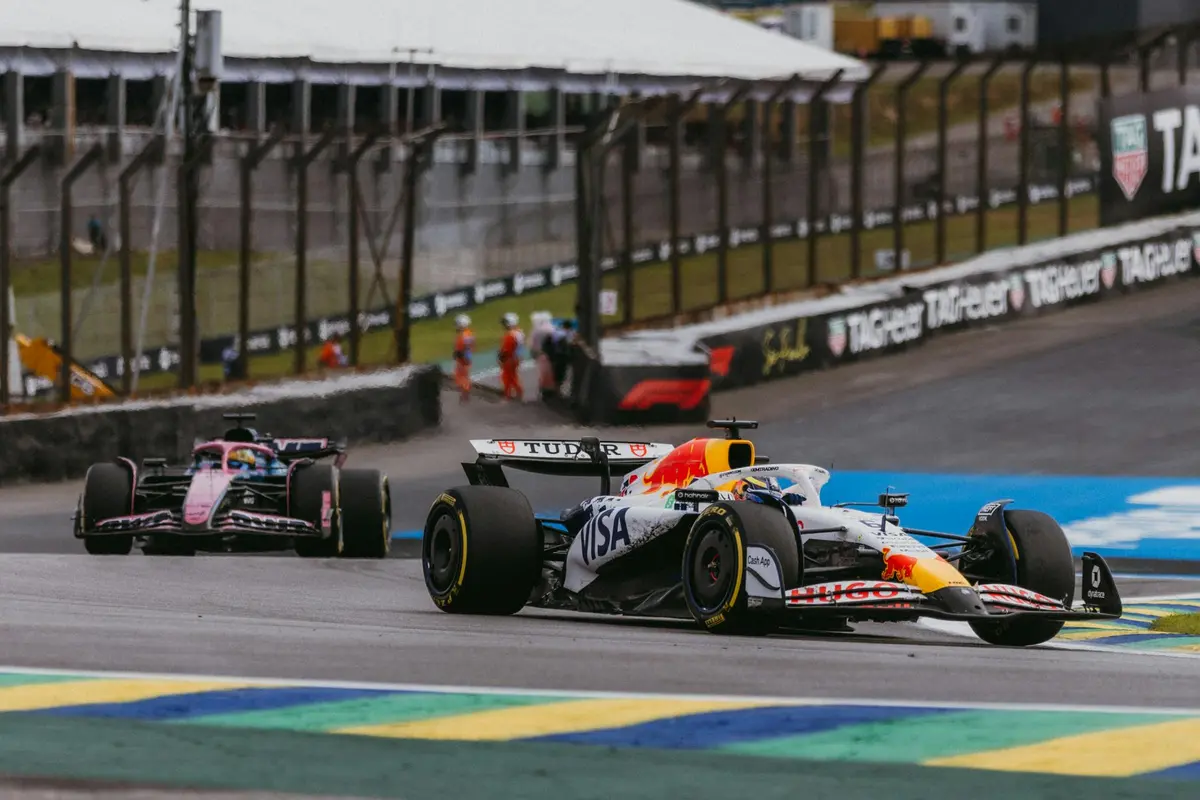
Red Bull Japanese GP: A Race of Two Halves in 2026
The Red Bull Japanese GP encapsulated everything that defines this team's 2026 season challenge in a single afternoon of racing. Max Verstappen delivered a characteristically gritty recovery drive to salvage eighth place, demonstrating the raw talent that makes him a perennial championship contender even when machinery limits ambition. Meanwhile, rookie Isack Hadjar — showing considerable promise throughout the weekend — found his race comprehensively undone by a frustratingly timed Safety Car intervention. Team Principal Laurent Mekies was candid in his post-race briefing, offering a clear-eyed assessment of Red Bull's current limitations that signals a team in honest, if difficult, self-reflection.
Detailed Analysis: Breaking Down Red Bull's Japanese GP Performance
Verstappen's Recovery to Eighth
An eighth-place finish from Max Verstappen at the Red Bull Japanese GP may not generate the celebratory headlines the three-time World Champion is accustomed to producing, but context elevates it significantly. A recovery drive by definition implies adversity overcome — whether that adversity originated in qualifying, a poor start, or a first-lap incident, the message is consistent: Verstappen extracted the absolute maximum from a package that is presently operating below the front-running threshold. In the 2026 regulations era, where the revolutionary new technical framework has reshuffled the competitive order dramatically, Red Bull has found themselves grappling with a car that lacks the outright pace of the McLarens and Ferraris at the sharp end of the grid. Verstappen's ability to bank points regardless of circumstance remains a vital strategic asset — a single-point swing here or a three-point swing there can prove decisive across a 24-race season. The championship implications of consistently scoring in the points, even mid-pack finishes, should not be dismissed lightly. Red Bull will be acutely aware that constructors' points from both cars are essential to staying within striking distance while their development programme accelerates.
Hadjar's Race Undone by Safety Car Timing
For Isack Hadjar, the Red Bull Japanese GP represented a painful lesson in the brutal lottery of motorsport circumstance. The French-Algerian rookie has shown genuine pace and racecraft maturity in his maiden season at Red Bull, and the Japanese race weekend appeared to be building toward a meaningful points haul. However, a Safety Car — deployed at a moment that was maximally disadvantageous to Hadjar's strategic position — effectively erased the gap he had built and compromised his tyre offset relative to the cars around him. In 2026, Safety Car periods carry amplified strategic weight because the new active aerodynamics regulations (systems that automatically adjust aerodynamic surfaces to optimise drag and downforce depending on speed zones) mean restart pace and tyre temperature management at the restart are especially critical. A poorly timed Safety Car can neutralise an entire race's worth of tyre management work in a single lap, and that appears to be precisely what happened to Hadjar in Japan.
Mekies' Honest Assessment
Laurent Mekies' willingness to publicly acknowledge Red Bull's limitations is notable. It signals a leadership approach grounded in honest internal diagnosis rather than deflection — a quality that historically distinguishes teams capable of sustainable development from those that stagnate. Mekies framing the team's challenges in clear-eyed terms suggests that Red Bull's engineering and aerodynamic departments have a shared, unambiguous brief for the months ahead. This kind of organisational clarity is often the precursor to the kind of mid-season performance step that has historically defined Red Bull's development trajectory.
Context: Red Bull in the 2026 Season Narrative
The 2026 Formula 1 season has been defined by a seismic regulatory reset. New power unit regulations, combined with a sweeping aerodynamic overhaul, have produced a genuinely reshuffled grid. McLaren, with Lando Norris and Oscar Piastri, and Ferrari, with Charles Leclerc and Lewis Hamilton, have emerged as the early pacesetters. Red Bull, despite retaining Verstappen — statistically one of the greatest drivers in the sport's history — have found their customary dominance challenged in a way not seen since the early hybrid era. Isack Hadjar's arrival as Verstappen's partner brings youth and hunger but also the inevitable variability of a driver finding his feet at the highest level. The Red Bull Japanese GP result, viewed through this broader lens, is a snapshot of a team in transition: immense talent on the driver side, genuine engineering capability, but a car that has not yet unlocked the potential that the regulations theoretically allow. Crucially, Red Bull have the infrastructure and the resources to respond.
Key Takeaways
- Verstappen remains Red Bull's points lifeline: His recovery drive to eighth at the Red Bull Japanese GP demonstrates that even a sub-optimal car yields results in his hands — vital for keeping championship options alive.
- Safety Car timing severely cost Hadjar: The rookie's race was compromised by an unfortunately timed Safety Car, highlighting the outsized strategic volatility that characterises the 2026 regulatory environment.
- Mekies is operating with clear-eyed honesty: The Team Principal's frank public acknowledgement of the team's current limitations points to a coherent internal development strategy rather than denial.
- The 2026 regulations have reshuffled the competitive order: Red Bull are no longer operating as the grid's benchmark, making every point from both drivers strategically critical for the constructors' standings.
Frequently Asked Questions
Why did Max Verstappen only finish eighth at the Red Bull Japanese GP?
Based on the available reporting, Verstappen's eighth-place result at the Red Bull Japanese GP was the product of a recovery drive, meaning he overcame adversity during the race to reach that position. Team Principal Laurent Mekies has publicly acknowledged that Red Bull's car currently has limitations relative to the front-runners, suggesting the result reflected both the package's constraints and Verstappen's ability to extract the maximum from it.
How did the Safety Car affect Isack Hadjar's Red Bull Japanese GP race?
The Safety Car was deployed at a moment that was directly damaging to Hadjar's race strategy. In the 2026 era, where tyre management and strategic tyre offsets are critical to race performance, a poorly timed Safety Car can neutralise an entire stint's worth of strategic work. Hadjar's race was, according to reporting, derailed by precisely this kind of unfortunate timing.
What did Red Bull Team Principal Laurent Mekies say about the team's 2026 performance?
Mekies offered a clear-eyed and candid assessment of Red Bull's current limitations following the Japanese GP. Rather than offering deflection or optimistic spin, the Team Principal's comments suggest a leadership group that has an honest and shared understanding of what the team must improve — widely considered the necessary first step toward a meaningful performance recovery.
Conclusion: What Comes Next for Red Bull
The Red Bull Japanese GP delivered a mixed but instructive set of data points for the Milton Keynes outfit. Verstappen's resilience continues to paper over the cracks, Hadjar's misfortune was largely circumstantial rather than a reflection of his potential, and Mekies' honesty provides a solid organisational foundation for the development work ahead. Red Bull possess the engineering depth, the financial resource, and — critically — the driving talent to mount a genuine challenge as the 2026 season matures. The coming race weekends will reveal whether the team's development trajectory is steepening at the rate required to close the gap to McLaren and Ferrari at the front of the field.