Max Verstappen Told to Quit F1 by Damon Hill in 2026
Damon Hill tells Max Verstappen to 'stop and do something else' — what does Verstappen's unhappiness mean for Red Bull Racing in 2026?
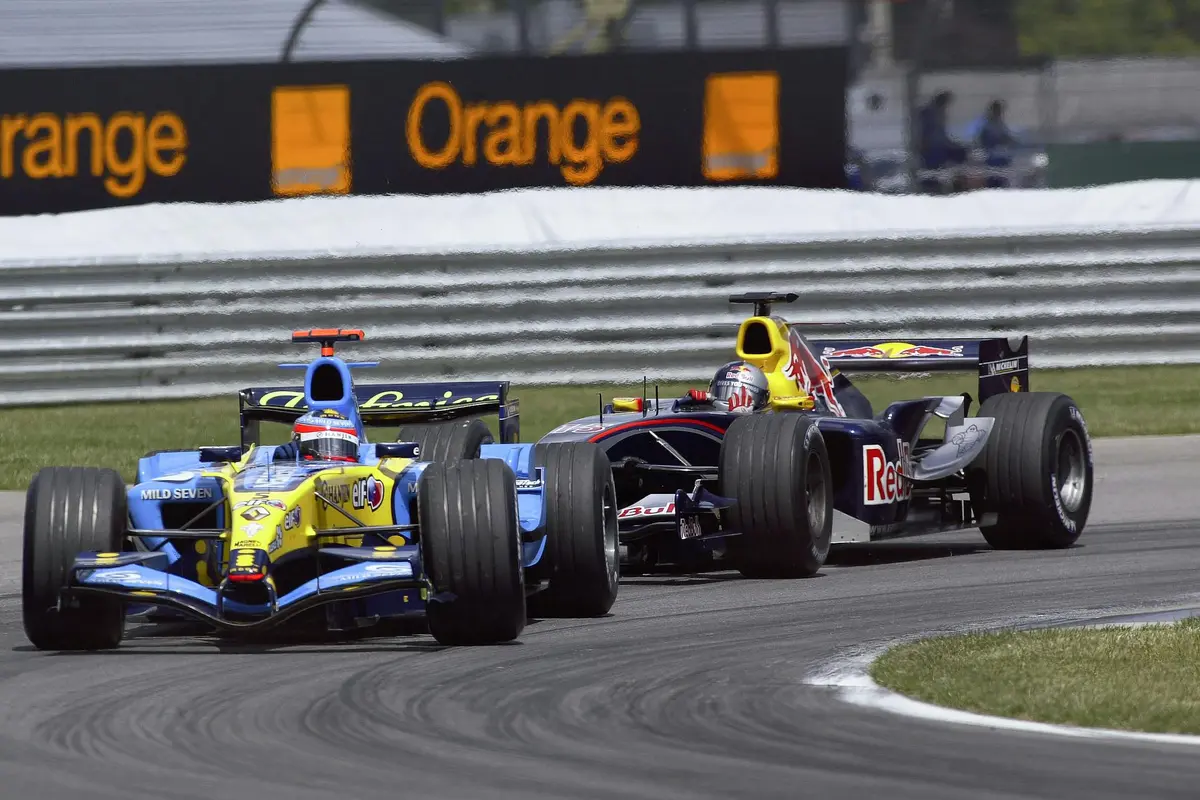
Max Verstappen Told to 'Stop and Do Something Else' by Damon Hill
The 2026 Formula 1 season has barely gained full momentum when one of the sport's most celebrated champions delivered a blunt, headline-grabbing verdict on its current titleholder. 1996 Formula 1 World Champion Damon Hill has publicly told Max Verstappen to "stop and do something else" amid the Dutchman's ongoing and well-documented unhappiness with the sport. The remarks, reported by MotorSportWeek.com, represent one of the most direct pieces of advice a former champion has offered a reigning driver in recent memory. For Red Bull Racing, a team that has built its modern identity almost entirely around Verstappen's brilliance, the statement raises uncomfortable but necessary questions about the future.
Detailed Analysis: Why Damon Hill's Words Carry Real Weight
Damon Hill is not merely a pundit offering hot takes for airtime. As the 1996 World Champion, Hill earned his title through resilience, technical intelligence, and an ability to navigate political complexity inside a top-tier Formula 1 team — qualities that make his perspective uniquely credible when assessing a driver's mental relationship with the sport. When Hill tells Max Verstappen to "stop and do something else," it is not a dismissal of Verstappen's talent. It is, arguably, a compassionate recognition that a driver's psychological wellbeing is as critical as raw pace.
Verstappen's dissatisfaction with Formula 1 has been a recurring undercurrent for some time. Whether rooted in frustration over regulatory directions, the competitive landscape of the 2026 season, or the sheer relentlessness of the modern F1 calendar, the Dutchman's complaints have become a persistent narrative thread. Hill's advice cuts to the heart of that tension: if the sport no longer brings joy, continuing purely out of obligation or financial commitment can erode even the greatest of talents.
For Red Bull Racing specifically, this dynamic is deeply consequential. The Milton Keynes-based outfit restructured significant elements of its operational identity around Verstappen's preferences and peak performance windows. With Isack Hadjar now partnering Verstappen in 2026, the team is simultaneously navigating a generational transition while managing its lead driver's morale. A disengaged or unhappy Verstappen is a fundamentally different proposition to the relentlessly hungry version that delivered multiple World Championships. Team principals, engineers, and strategists all feed off a lead driver's energy, and any persistent negativity can subtly permeate a garage's culture.
It is also worth noting that the 2026 regulations brought sweeping technical changes to Formula 1, including overhauled power unit specifications and revised aerodynamic philosophies — most notably the introduction of Active Aero systems (moveable bodywork elements that automatically adjust drag and downforce levels depending on driving mode) and a new Boost Button mechanism (a short-duration power override allowing drivers to access peak hybrid deployment in specific tactical windows). These changes demand enormous mental investment from a driver. Adapting to a new technical era while simultaneously carrying public dissatisfaction is a dual burden that Hill, having experienced his own turbulent periods in the sport, understands intimately.
Context: Fitting the 2026 Season Narrative
The 2026 Formula 1 season arrived with the promise of a competitive reset. New power unit regulations and aerodynamic frameworks theoretically opened the door for multiple teams to challenge at the front, reducing the dominance any single constructor could impose. For Red Bull Racing and Max Verstappen, this reset was always going to be a defining test. The team that once seemed surgically optimised for a specific regulatory era now faces the same blank canvas as its rivals.
Against that backdrop, Verstappen's reported unhappiness takes on additional significance. It is one thing to be dissatisfied when winning easily; it is another entirely when the competitive environment itself has become more uncertain. Hill's public intervention — urging Verstappen to consider walking away — reflects a broader conversation happening quietly within paddock circles about whether the sport's greatest current talent remains fully committed to the challenge ahead. For Red Bull Racing, retaining not just Verstappen's physical presence but his complete mental engagement is arguably the most important performance variable of the 2026 season.
Key Takeaways
- 1996 World Champion Damon Hill has publicly told Max Verstappen to "stop and do something else" if he remains unhappy with Formula 1, representing one of the most direct interventions by a former champion in recent paddock discourse.
- Verstappen's ongoing dissatisfaction with the sport poses a significant concern for Red Bull Racing, a team whose competitive identity and operational culture is closely tied to its lead driver's engagement and motivation.
- The 2026 technical revolution — featuring Active Aero and Boost Button systems — demands maximum mental investment from drivers, making psychological wellbeing a direct performance variable rather than a peripheral concern.
- With Isack Hadjar alongside Verstappen at Red Bull in 2026, the team is managing both a generational internal transition and the challenge of maintaining its lead driver's full commitment simultaneously.
Frequently Asked Questions
Why is Max Verstappen reportedly unhappy with Formula 1 in 2026?
While the specific root causes of Max Verstappen's dissatisfaction have not been definitively confirmed in official statements, ongoing reports suggest a combination of frustrations with the sport's direction, regulatory changes, and the pressures of the modern Formula 1 calendar have contributed to his publicly noted unhappiness during the 2026 season.
How does Max Verstappen's morale affect Red Bull Racing's 2026 championship chances?
Red Bull Racing has historically performed at its peak when Verstappen is fully engaged and motivated. A distracted or unhappy lead driver can impact decision-making under pressure, communication with engineers, and the team's overall strategic confidence — all of which are critical factors in a title fight under the complex 2026 technical regulations.
What did Damon Hill say about Max Verstappen and what does it mean for Red Bull Racing?
Damon Hill, the 1996 Formula 1 World Champion, advised Max Verstappen to "stop and do something else" amid reports of Verstappen's ongoing complaints about the sport. For Red Bull Racing, the remarks from such a credible former champion amplify the narrative around their star driver's mindset and place additional focus on how the team manages his long-term commitment in 2026.
Conclusion: Red Bull Racing's Most Complex Challenge of 2026
On paper, Red Bull Racing enters the 2026 season with one of the most talented driver lineups on the grid. In practice, the team's greatest challenge may not be aerodynamic, strategic, or even mechanical — it may be human. Damon Hill's advice to Max Verstappen to "stop and do something else" has crystallised a conversation that the paddock has been having in hushed tones for some time. How Red Bull Racing responds — both publicly and behind closed doors — could define not just their 2026 championship campaign, but the longer arc of one of Formula 1's most remarkable driver-team partnerships.
In this article