F1 2026 Season: Major Warnings, Munich and Verstappen Future
The F1 2026 season faces a perfect storm of regulatory warnings, Verstappen uncertainty, and bold expansion plans to Munich and the US.
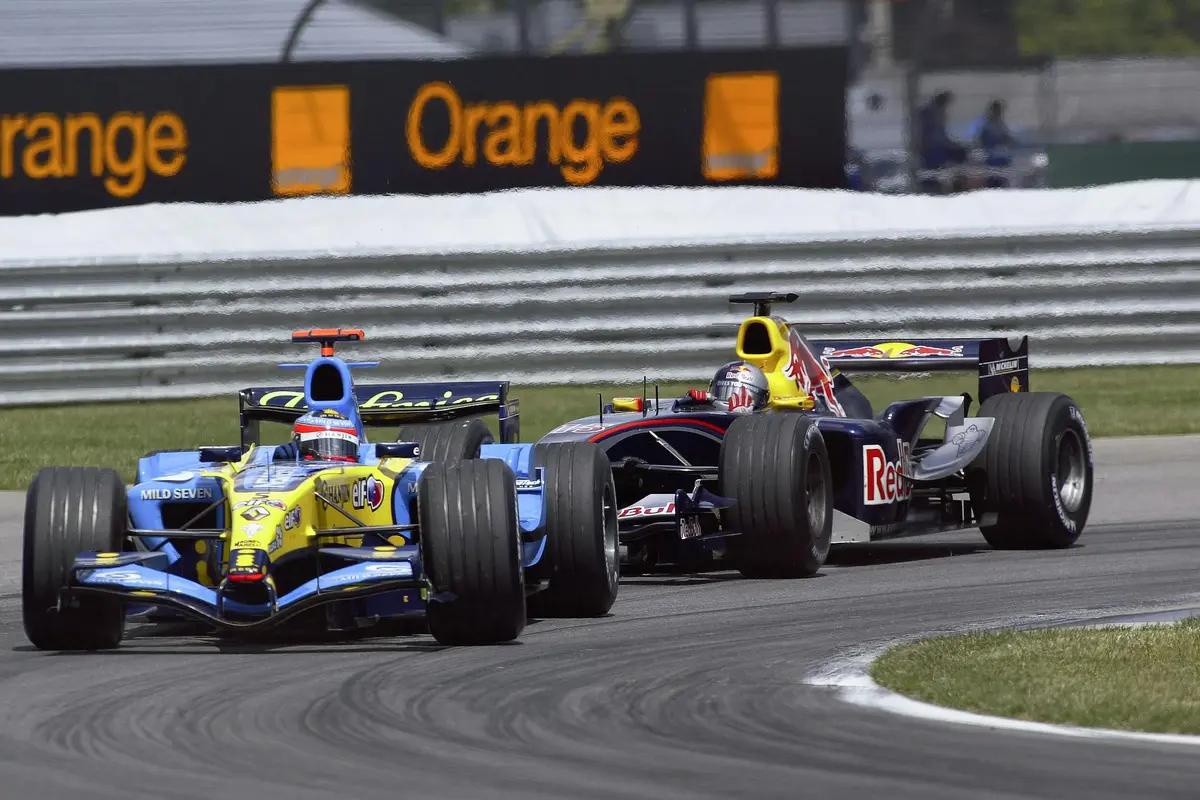
F1 2026 Season Faces Critical Crossroads: Warnings, Media Freedom, and Verstappen's Future
The F1 2026 season is proving to be one of the most turbulent and consequential campaigns in recent memory — and not solely for what is happening on track. A series of significant off-track developments are threatening to reshape the sport's commercial landscape, its relationship with the media, and even the future participation of its biggest star. From a serious regulatory warning reverberating through the paddock, to Formula 1's ambitious push into Munich and fresh opportunities in the United States, the F1 2026 season is delivering headline after headline that demands careful, analytical attention.
A Serious Warning Shakes the Paddock
Reports of a serious warning circulating within the Formula 1 ecosystem suggest that regulatory or commercial compliance issues are becoming increasingly difficult to ignore. While the specifics of the warning have not been fully disclosed in public statements, the very existence of such an alert — particularly during a season defined by sweeping technical and regulatory change — carries enormous weight. The 2026 regulations introduced radical new power unit architecture, with hybrid systems generating unprecedented levels of electrical energy deployment, fundamentally altering the competitive balance between manufacturers.
When warnings of this magnitude emerge mid-season, teams must divert senior technical and legal resources away from car development to address compliance — a costly distraction at the worst possible time. For smaller operations like Racing Bulls, Alpine, and TGR Haas, the burden is proportionally far heavier than it is for factory giants such as Ferrari or Mercedes. Any potential sporting sanction or commercial penalty arising from such a warning could have cascading effects on the constructor standings and budget cap compliance.
Max Verstappen and Media Freedom: A Powder Keg
The tension surrounding Max Verstappen and media freedom is one of the most delicate storylines of the F1 2026 season. Verstappen, who drives for Red Bull alongside rookie Isack Hadjar this year, has historically been outspoken in his criticism of media obligations and the FIA's communication protocols. Reports suggest the situation remains unresolved and increasingly fractious. Media freedom — defined broadly as the right of journalists and broadcasters to access drivers and team personnel without commercial restriction — is a cornerstone of Formula 1's global appeal.
If Verstappen's relationship with media obligations deteriorates further, it risks triggering FIA disciplinary proceedings that could distract Red Bull at precisely the moment the team needs unity. For a squad still adjusting to a dramatically different power unit formula in 2026, internal harmony is not a luxury — it is an operational necessity. The implications for Red Bull's sponsor relationships and global broadcasting deals are also significant; Verstappen is arguably the sport's most marketable personality, and any prolonged conflict could have commercial ripple effects felt far beyond the paddock.
Could Max Verstappen Quit Formula 1?
Perhaps the most explosive question hanging over the sport right now is whether Max Verstappen could walk away from Formula 1 altogether. This is not idle speculation — the Dutchman has referenced exit clauses in his Red Bull contract on previous occasions, and with the sport's regulatory and media landscape shifting dramatically under the F1 2026 season framework, the conditions that might trigger such a clause are more plausible than at any point in recent years. A departure of Verstappen's magnitude would be seismic: he has been the dominant force in the sport since 2021, and his presence is central to Red Bull's commercial proposition and the championship narrative itself.
Teams across the grid — from McLaren's Lando Norris to Ferrari's Charles Leclerc and Lewis Hamilton — would face a fundamentally different title picture without Verstappen in competition. Championship promoters and broadcasters would also need to rapidly recalibrate their marketing strategies. Whether or not Verstappen ultimately chooses to remain, the very credibility of this question underscores the scale of the structural tensions within the sport in 2026.
F1 Goes to Munich and Eyes the US Market
On a more forward-looking note, Formula 1's reported push toward Munich as a destination event and fresh opportunities in the United States speak to the sport's relentless commercial ambition. Munich — home to BMW and a deeply motorsport-literate fanbase — would represent a landmark addition to the European calendar, potentially rivalling the historic appeal of Monza or Silverstone as a destination race. The fact that Audi is now a full constructor on the 2026 grid, having taken over from Alfa Romeo's legacy entry, gives a German city venue additional narrative resonance.
In the United States, Formula 1 already operates races at Austin, Miami, and Las Vegas — and any additional opportunity in that market signals that the sport's American growth story is far from over. With Cadillac now operating as an independent constructor fielding Sergio Perez and Valtteri Bottas in 2026, American interest in F1 has never been higher. Expanding the US footprint further would generate enormous broadcast and sponsorship revenue, reinforcing the sport's status as a truly global entertainment product.
WRC, Subaru, Argentina, and Using F1 to Inspire
Beyond the purely F1-centric news, the broader motorsport ecosystem is equally active. The ongoing absence of a WRC deal — with Subaru's potential entry into the World Rally Championship still unresolved — is a reminder that motorsport's commercial negotiations are rarely swift or simple. Argentina's planning activity around a potential motorsport event underscores the continued appetite for premium racing across South America, a market with passionate fanbase demographics. Meanwhile, initiatives using Formula 1 as an inspirational platform — whether in STEM education, grassroots motorsport, or community engagement — are becoming an increasingly important part of the sport's public relations and legacy strategy as it navigates 2026's complex off-track environment.
Key Takeaways
- A serious warning within the F1 paddock has the potential to divert team resources and impact the constructor standings during the F1 2026 season.
- Max Verstappen's unresolved tensions over media freedom and the credible possibility of him quitting represent the single biggest personnel risk in the sport right now.
- Formula 1's expansion ambitions — Munich, additional US events — reflect the sport's determination to grow its commercial footprint despite internal turbulence.
- Broader motorsport developments, including the unresolved WRC negotiations and Argentina's planning activity, highlight the interconnected nature of global motorsport politics in 2026.
Frequently Asked Questions
Could the F1 2026 season regulatory warning result in points deductions for teams?
While the specifics of the warning have not been publicly confirmed, precedent in Formula 1 suggests that serious regulatory breaches can carry sporting penalties including points deductions, financial penalties, or exclusion from results. Teams will be monitoring developments closely.
What would Max Verstappen's departure mean for the F1 2026 championship fight?
Verstappen's exit would fundamentally alter the championship narrative, removing the most dominant driver of the modern era from competition. McLaren's Lando Norris, Ferrari's Charles Leclerc and Lewis Hamilton, and Mercedes' George Russell would all find their title odds recalibrated dramatically in such a scenario.
Why is Munich considered a viable F1 2026 Grand Prix location?
Munich combines a dense motorsport-passionate population, world-class infrastructure, and proximity to Audi's corporate identity as a new 2026 F1 constructor. A German city race would also fill a significant gap left by the German Grand Prix's prolonged absence from the calendar.
Conclusion: A Season Defined by More Than Racing
The F1 2026 season is shaping up to be remembered not just for what happens between the pit walls, but for the seismic off-track decisions that will define the sport's direction for years to come. From Verstappen's uncertain future to regulatory warnings, Munich's potential debut, and Formula 1's relentless US expansion, the stakes have never been higher. As the calendar progresses, every development — on and off the circuit — will feed into a narrative that transcends pure motorsport. Fans, teams, and stakeholders alike should buckle up: the most consequential season in a generation is only just beginning.