Formula E on Steroids: Why Verstappen's Verdict Matters
Toto Wolff hopes Verstappen stays in F1 as the champion's 'Formula E on Steroids' jibe reignites debate about electric racing's identity in 2026.
Introduction: Wolff Weighs In on Verstappen's Formula E Stance
In a candid admission that has sparked debate across the motorsport world, Mercedes team principal Toto Wolff has revealed he hopes Max Verstappen will not walk away from Formula 1 — and the reason is rooted in the Dutchman's well-documented disdain for the direction the sport is heading. Verstappen reportedly hates what he has described as "Formula E on Steroids" — a pointed reference to the heavily regulated, energy-management-intensive nature of the 2026 Formula 1 regulations. This single phrase has reignited a fascinating conversation about the identity of modern single-seater racing, and it inadvertently shines a spotlight on Formula E itself as a championship that deserves far more respect than Verstappen's dismissal implies.
Detailed Analysis: Unpacking the "Formula E on Steroids" Critique
Verstappen's comment is not a throwaway remark. The reigning Formula 1 World Champion has been vocal about his frustrations with the 2026 regulation cycle, which introduces drastically revised power unit architecture, dramatically increased electrical energy deployment, and a new active aerodynamics system. For a driver who prizes raw mechanical feedback and aggressive driving style, a formula built around energy harvesting, deployment windows, and power management is instinctively unappealing.
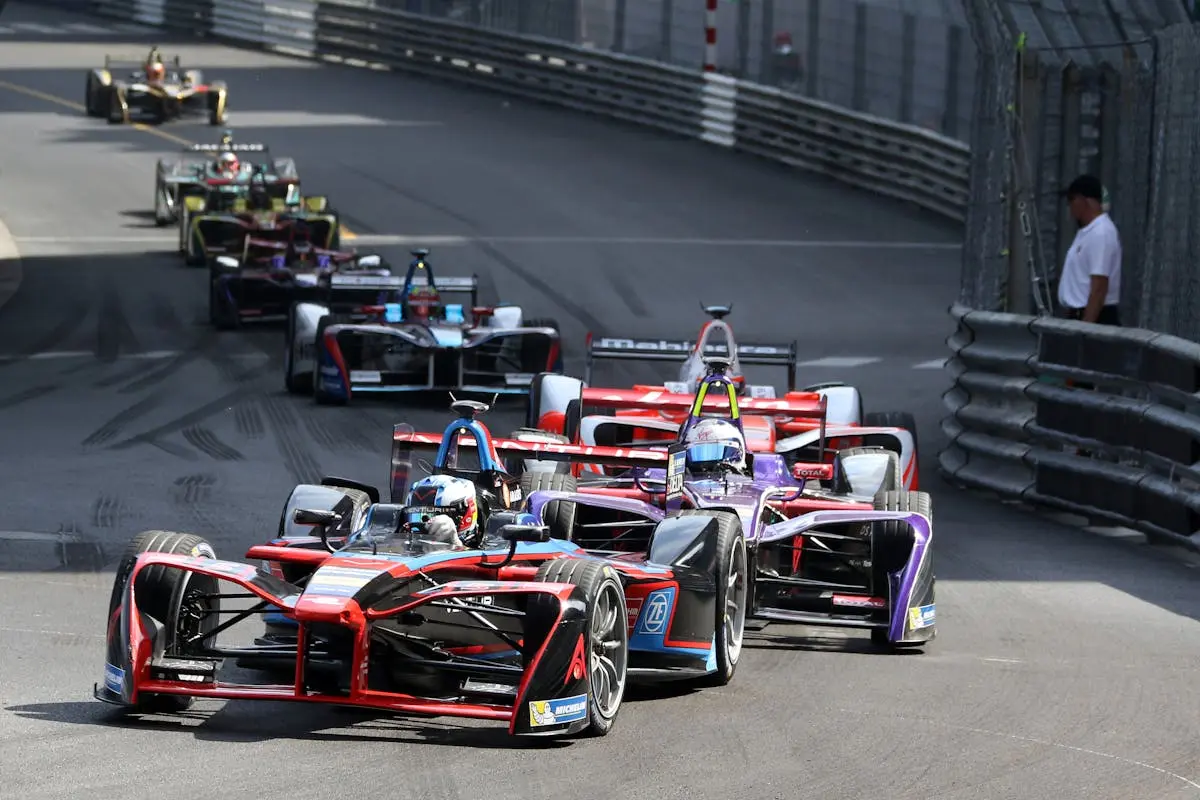
But what does the phrase "Formula E on Steroids" actually reveal? Ironically, it reveals more about Formula E's technical sophistication than Verstappen perhaps intended. Formula E in its current Season 12 Gen3 Evo guise is already a deeply complex championship. The Gen3 Evo car produces 350kW — approximately 470hp — and features Active All-Wheel Drive, available during qualifying laps, race starts, and Attack Mode activations. Attack Mode itself is a unique feature in which drivers must deliberately steer through a designated off-racing-line activation zone to unlock a temporary power boost, adding a layer of strategic and tactical depth entirely absent from traditional motorsport formats.
When Verstappen invokes Formula E on Steroids as a pejorative, he is essentially acknowledging that the energy-management discipline central to Formula E is now migrating into Formula 1. This is precisely what many within the FIA and F1's commercial rights holder have intended: the convergence of sustainable, electrified performance with the global prestige and glamour of the pinnacle of motorsport. Wolff's concern that Verstappen might quit underscores just how significant this philosophical shift is — if the sport's most dominant driver of the modern era finds the new regulations alienating, the optics are damaging regardless of the technical merit.
From a Formula E perspective, Verstappen's comments are a double-edged sword. On one hand, being name-checked by the world's most famous racing driver — even critically — elevates the championship's profile. On the other, it perpetuates a narrative that Formula E racing is somehow lesser, a caricature of real racing. That narrative deserves to be challenged, especially in a season where drivers like Pascal Wehrlein at Porsche, Antonio Felix da Costa at Jaguar TCS Racing, and Oliver Rowland at Nissan are delivering wheel-to-wheel racing of the highest quality on city streets across the globe.
Context: Formula E in the 2026 Season Narrative
The 2025/26 Formula E Season 12 is at a fascinating juncture. The Gen3 Evo platform has matured considerably, and teams like Jaguar TCS Racing, Porsche, and DS Penske have invested heavily to extract every last percentage point from a technically frozen but strategically rich package. The championship grid includes Mitch Evans and da Costa at Jaguar, Wehrlein partnered by Nico Muller at Porsche, and Taylor Barnard alongside Stoffel Vandoorne at DS Penske — a lineup of experience and emerging talent that reflects the series' growing ambition.
Gen4 cars are confirmed for next season, promising even greater power outputs, refined aerodynamics, and an enhanced fan experience. Against that backdrop, Verstappen's critique of energy-management racing lands at a pivotal moment. Formula E's leadership will be acutely aware that the perception battle with Formula 1 is ongoing, and comments from a driver of Verstappen's stature — amplified by Wolff's public response — give the series an unexpected platform to make its case to a wider audience.
Wolff's hope that Verstappen stays in F1 is ultimately a hope that the sport does not lose its greatest current talent to the identity crisis embedded in its own regulations. That crisis, however defined, has Formula E's fingerprints all over it — and that may yet prove to be the series' greatest advertisement.
Key Takeaways
- Toto Wolff has publicly stated he hopes Max Verstappen does not leave Formula 1, citing Verstappen's dislike of the 2026 regulations as a key concern.
- Verstappen described the new F1 formula as "Formula E on Steroids", referencing its heavy reliance on electrical energy management and power deployment strategies.
- Formula E's Gen3 Evo cars already deploy 350kW with Active All-Wheel Drive and Attack Mode, making energy management a core competitive discipline — the very elements Verstappen finds unappealing in F1's 2026 direction.
- The comments inadvertently elevate Formula E's profile, arriving at a critical moment ahead of the Gen4 era and as Season 12 reaches a competitive peak.
- The broader debate highlights a growing philosophical tension in top-level motorsport between traditional driver-first racing and technology-driven, energy-managed competition.
Frequently Asked Questions
What is Attack Mode in Formula E and how does it affect race strategy?
Attack Mode is a Formula E-exclusive strategic tool in which a driver must deliberately leave the racing line to pass through a designated activation zone on track, unlocking a temporary increase in power output. The timing and number of Attack Mode activations per race are set by the championship organiser, adding a layer of tactical decision-making that directly influences race outcomes and wheel-to-wheel battles.
How does Formula E's energy management compare to the new 2026 Formula 1 regulations?
Formula E has built energy management into its DNA since inception — drivers must carefully husband their battery reserves across an entire race distance on tight city circuits, balancing aggression with conservation. The 2026 Formula 1 regulations significantly increase the role of electrical energy in the power unit, introducing a comparable discipline that veterans like Verstappen have found philosophically at odds with traditional Formula 1 driving philosophy.
What is the Formula E Gen4 car and when will it debut?
The Gen4 car is the next-generation Formula E challenger, confirmed to replace the current Gen3 Evo platform in the season following the 2025/26 campaign. It is expected to deliver higher power outputs, aerodynamic refinements, and enhanced performance benchmarks as Formula E continues to position itself as the world's premier electric racing championship.
Conclusion: A Defining Moment for Electric Racing's Reputation
Toto Wolff's public intervention on Max Verstappen's future — framed around a dismissal of Formula E on Steroids — has, perhaps accidentally, handed the all-electric championship a remarkable communications opportunity. As Season 12 progresses with competitive racing from Jaguar, Porsche, Nissan, and the rest of a talented grid, Formula E's stakeholders would be wise to lean into this moment. The Gen4 era looms, ambitions are high, and the sport that Verstappen inadvertently namechecked is quietly building a case that energy-managed, technically complex racing is not a lesser product — it may simply be the future.
In this article