Toto Wolff on Christian Horner Red Bull F1 Future
Toto Wolff denies blocking Horner's F1 return but warns of 'repercussions' — what does it mean for Red Bull Racing in 2026?
Wolff Breaks Silence on Horner's F1 Future Amid Red Bull Speculation
In one of the most compelling storylines of the 2026 Formula 1 season, Mercedes team principal Toto Wolff has publicly addressed speculation surrounding Christian Horner's potential return to the Formula 1 paddock. Speaking candidly, Wolff denied any suggestion that he had attempted to block Horner from re-entering the sport, but crucially, he did not dismiss the idea that his former rival may face professional consequences stemming from his tenure as Red Bull Racing team principal. The remarks have reignited debate about Red Bull's internal culture, governance, and long-term direction — all at a time when the team is navigating a fresh chapter in the ultra-competitive 2026 season.
Detailed Analysis: What Wolff's Words Really Mean
Toto Wolff's carefully chosen language is worth examining in granular detail. By stating that Horner could face "repercussions" for breaking "quite a lot of glass" during his time at Red Bull, Wolff is employing a striking metaphor — implying that the damage done within the organisation, whether reputational, relational, or structural, carries a cost that may not yet be fully settled. These are not the words of a man dismissing Horner as irrelevant; rather, they are the words of a rival who is acutely aware that the story is unresolved.
Wolff's denial that he sought to block Horner's return is significant in its own right. It suggests that such rumours were credible enough to warrant a public rebuttal — a notable moment given the fiercely competitive relationship the two men shared during the Verstappen-Hamilton era. In F1's interconnected ecosystem, team principals wield enormous influence not just on track but in boardrooms, and the notion that Wolff could apply backroom pressure on a rival's career prospects was evidently circulating widely enough to demand a direct response.
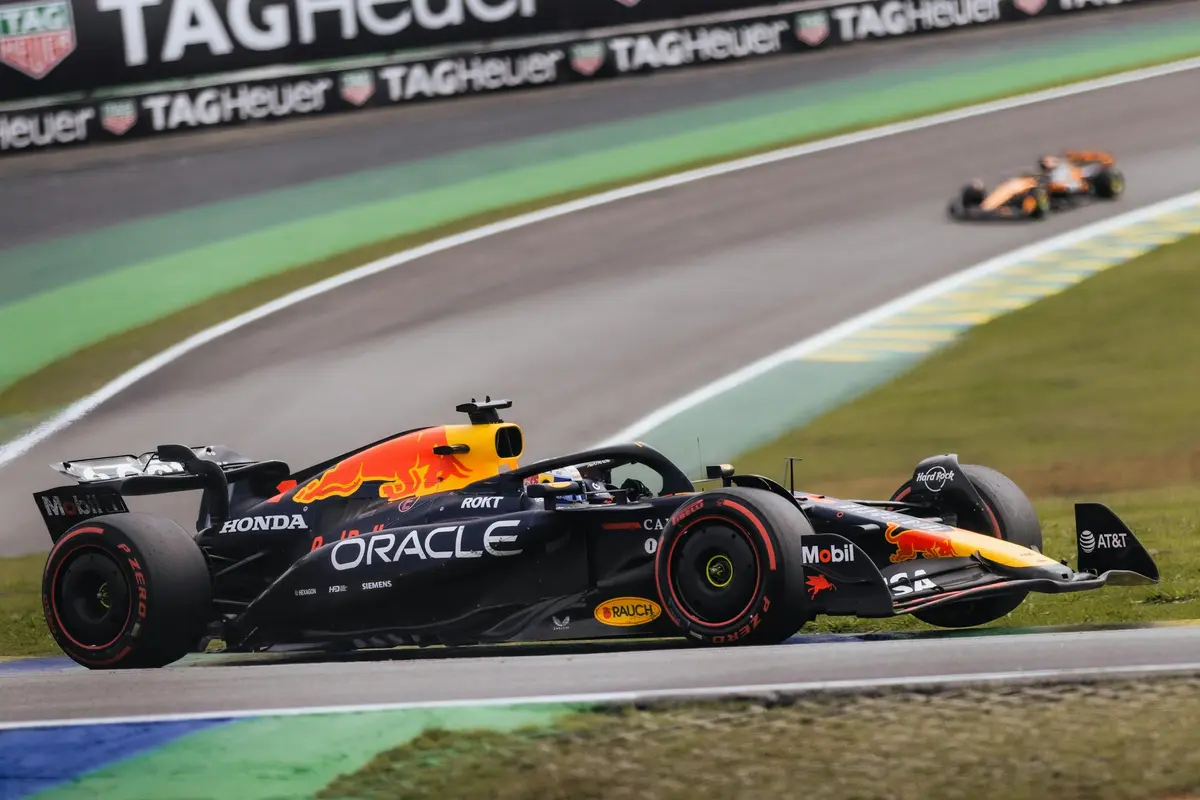
For Red Bull Racing specifically, the implications are layered. The team has undergone significant personnel and structural changes in recent years. With Max Verstappen continuing as the team's cornerstone alongside rookie Isack Hadjar in 2026, the sporting and political stability of the organisation is paramount. Any lingering uncertainty around former leadership — and what accountability, if any, exists — creates a backdrop of institutional tension that could, in theory, distract from on-track performance. Championship campaigns are won and lost not just through car development but through cohesion, clarity of purpose, and internal alignment.
It is also worth noting that Wolff's comments, while diplomatically worded, carry a subtle competitive edge. By flagging potential "repercussions" for Horner, Wolff is — whether intentionally or not — keeping a narrative alive that positions Red Bull's recent past as turbulent. In the war of perception that runs parallel to every F1 season, this kind of commentary matters. Red Bull Christian Horner speculation does not exist in a vacuum; it shapes how sponsors, partners, and future talent perceive the organisation.
Context: How This Fits the 2026 Season Narrative
The 2026 Formula 1 season has arrived with sweeping regulatory change, including the introduction of new power unit regulations and revised aerodynamic frameworks designed to close the field. For Red Bull Racing, this transition period is particularly critical. The team must demonstrate that it has not only adapted technically but that its leadership structure is settled and forward-looking. The Red Bull Christian Horner saga — however it ultimately resolves — represents unfinished business from a previous era, and Wolff's comments ensure it remains part of the conversation.
Mercedes, meanwhile, is competing fiercely with a lineup of George Russell and rookie Andrea Kimi Antonelli, and Wolff is clearly focused on reclaiming a dominant position in the Constructors' Championship. His willingness to address the Horner situation publicly suggests a level of confidence — he sees no threat in engaging the topic, which itself speaks volumes about where he believes the power dynamic in F1 currently sits.
Key Takeaways
- Toto Wolff denied blocking Christian Horner from returning to Formula 1 but warned of potential "repercussions" for his conduct as Red Bull boss.
- Wolff's metaphor of Horner breaking "quite a lot of glass" implies lasting institutional or reputational damage within Red Bull Racing.
- The ongoing Red Bull Christian Horner speculation adds a political dimension to an already high-stakes 2026 season for the Milton Keynes-based outfit.
- Red Bull's on-track campaign with Max Verstappen and Isack Hadjar demands internal stability — something that lingering leadership controversy could potentially undermine.
Frequently Asked Questions
What did Toto Wolff say about Christian Horner's return to Red Bull and Formula 1?
Toto Wolff stated that he did not attempt to block Christian Horner from returning to Formula 1, but suggested Horner could face "repercussions" for breaking "quite a lot of glass" during his tenure as Red Bull Racing team principal — a metaphor implying significant internal or reputational damage left in his wake.
How could the Christian Horner situation affect Red Bull Racing's 2026 season?
Ongoing uncertainty around Red Bull's former leadership creates a distraction at a sensitive time. With Max Verstappen and rookie Isack Hadjar spearheading the team's title challenge under the new 2026 technical regulations, any institutional turbulence risks diverting focus from car development and strategic cohesion — both of which are critical in a transitional regulatory era.
Why is Toto Wolff publicly addressing Red Bull's internal matters in 2026?
Wolff's decision to speak on the matter publicly reflects the intertwined nature of F1 politics and competition. As a rival team principal, his comments shape the broader narrative around Red Bull Racing's stability and governance, even as Mercedes pursues its own championship ambitions with George Russell and Andrea Kimi Antonelli in 2026.
Conclusion: A Story With No Final Lap Yet
The Toto Wolff and Christian Horner dynamic has defined much of modern Formula 1's political theatre, and it shows little sign of concluding neatly. For Red Bull Racing, the priority must be clarity — on track with Verstappen and Hadjar, and off it with a leadership narrative that projects strength rather than ambiguity. Wolff's comments, measured as they are, serve as a reminder that in Formula 1, the past is never truly past. As the 2026 season accelerates, all eyes will be on whether Red Bull can insulate its championship campaign from the echoes of its own recent history.