Mercedes W17 Changes Downplayed by George Russell
George Russell downplays the impact of Mercedes W17 changes after FIA talks led to a new front wing design for the Suzuka weekend.
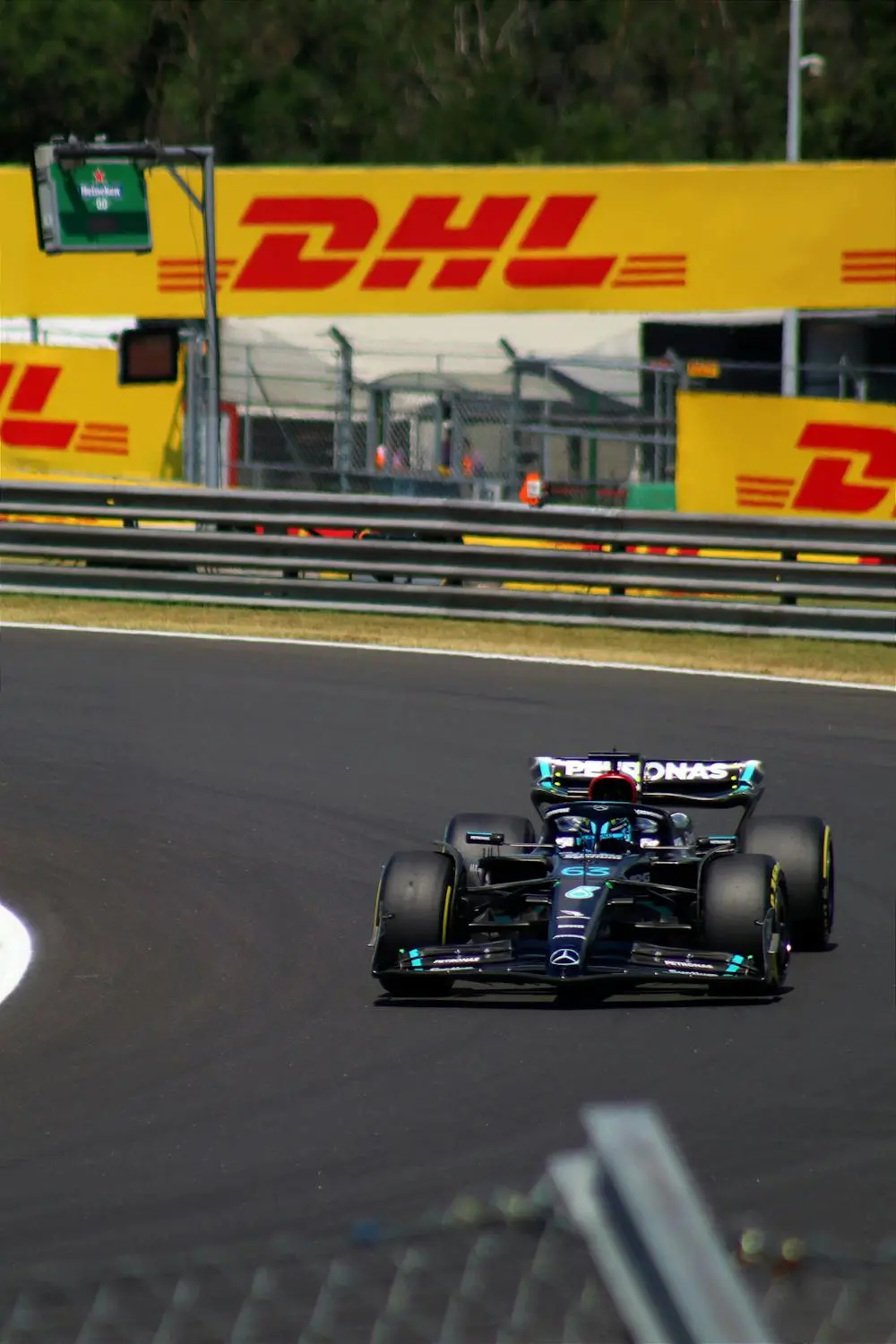
The Technical Pivot: Mercedes W17 Changes Explained
As the 2026 Formula 1 season gathers momentum, the paddock at Suzuka has been abuzz with technical intrigue surrounding the Silver Arrows. On this Saturday, March 28, 2026, George Russell found himself at the center of a media storm regarding the recent Mercedes W17 changes. Following the Chinese Grand Prix, Mercedes engaged in extensive discussions with the FIA, leading to a strategic backpedal on a specific aerodynamic advantage the team had allegedly discovered. The result of these talks is a revised front wing assembly, which has made its debut here in Japan.
The 2026 regulations, characterized by the introduction of Active Aero and a 50/50 power split between the Internal Combustion Engine (ICE) and electrical systems, have created a fertile ground for technical interpretation. Mercedes, always at the forefront of engineering innovation, appeared to have found a loophole or a highly efficient configuration in their initial W17 design. However, the FIA’s intervention suggests that the governing body is keeping a very tight leash on the new technical framework to ensure a level playing field. Russell, now the veteran leader at Mercedes alongside the sensational rookie Andrea Kimi Antonelli, was quick to minimize the narrative of a lost advantage, suggesting the modifications were part of the natural evolution of a 2026 challenger.
Analyzing the FIA Intervention and Front Wing Evolution
The core of the controversy lies in the front wing brought to Suzuka. In the 2026 era, the front wing is not just a downforce generator; it is a critical component in managing the "Active Aero" systems. Active Aero refers to the movable aerodynamic components on the front and rear wings that adjust to reduce drag on straights and increase downforce in corners. If the Mercedes W17 changes were prompted by the FIA, it likely pertains to how the wing interacted with these movable elements or how it deflected under load—a perennial grey area in F1 technical policing.
By bringing a new front wing to Suzuka, Mercedes is effectively resetting their aerodynamic baseline. The team had to ensure that their interpretation of the 2026 rules aligned with the FIA’s clarification provided after the Shanghai weekend. This is a high-stakes adjustment; in a season where the "Manual Override" (the 2026 power unit boost system that provides extra electrical energy to a following car) makes overtaking more tactical, having a stable and compliant aero platform is essential. Russell’s insistence that the team hasn't lost a significant step is a classic psychological play, but the technical reality is that any mid-season change to a primary aerodynamic surface requires a massive recalibration of the car’s balance.
The 2026 Narrative: Russell, Antonelli, and the Silver Arrows
The context of these Mercedes W17 changes cannot be overstated. We are in the dawn of a new era where Mercedes is desperate to reclaim the throne from the likes of Max Verstappen’s Red Bull and the formidable Ferrari duo of Charles Leclerc and Lewis Hamilton. With Hamilton having departed for the Scuderia, the weight of development falls squarely on Russell’s shoulders. His feedback on the revised W17 will dictate the development path for the rest of the 2026 campaign.
Furthermore, the integration of Andrea Kimi Antonelli into the team adds another layer of complexity. A rookie needs a predictable car to find the limit, and sudden changes to the front-end characteristics can be disruptive. Mercedes’ decision to "backpedal" after FIA talks indicates a preference for legality and long-term stability over a potentially protestable short-term gain. As the grid prepares for the high-speed challenges of Suzuka, the performance of the W17 in the Degner and 130R sections will reveal exactly how much of an impact these modifications have had on the car's high-speed stability.
Key Takeaways
- Mercedes modified the W17 following discussions with the FIA after the Chinese Grand Prix.
- A new, compliant front wing has been introduced for the Suzuka race weekend.
- George Russell has publicly downplayed the impact of these changes on the car's performance.
- The 2026 regulations regarding Active Aero and energy recovery remain a primary focus for technical scrutiny.
Frequently Asked Questions
Why did Mercedes F1 change the W17 front wing?
Mercedes F1 implemented changes to the W17 front wing following discussions with the FIA after the Chinese Grand Prix. The modifications were intended to ensure the car's aerodynamic components fully complied with the 2026 technical regulations, specifically regarding how the wing interacts with the new Active Aero systems.
How does George Russell view the Mercedes W17 changes?
George Russell has downplayed the significance of the modifications, suggesting that the team is not losing a major advantage. He framed the changes as a standard part of the car's development cycle and a result of ongoing dialogue with the FIA to ensure technical clarity.
What role did the FIA play in the Mercedes W17 modifications?
The FIA acted as the regulatory watchdog, engaging in talks with Mercedes after the Shanghai event. Their feedback prompted the team to adjust their front wing design to avoid potential legality issues, ensuring the W17 remains within the strict 2026 aerodynamic boundaries.
Conclusion
As we look toward the qualifying and race sessions at Suzuka, the focus remains firmly on the timing screens. The Mercedes W17 changes represent a pivotal moment in the early 2026 championship battle. Whether the Silver Arrows have truly maintained their pace or if this FIA-mandated adjustment has handed an opening to Ferrari and Red Bull remains to be seen. George Russell’s confidence will be put to the ultimate test on one of the world’s most demanding circuits. Stay tuned as the 2026 technical war continues to unfold in the heart of Japan.