Ricciardo Grateful to Red Bull for F1 Retirement Decision
Daniel Ricciardo reveals surprising gratitude toward Red Bull Racing for making the decision to end his Formula 1 career, offering a candid post-retirement reflection.
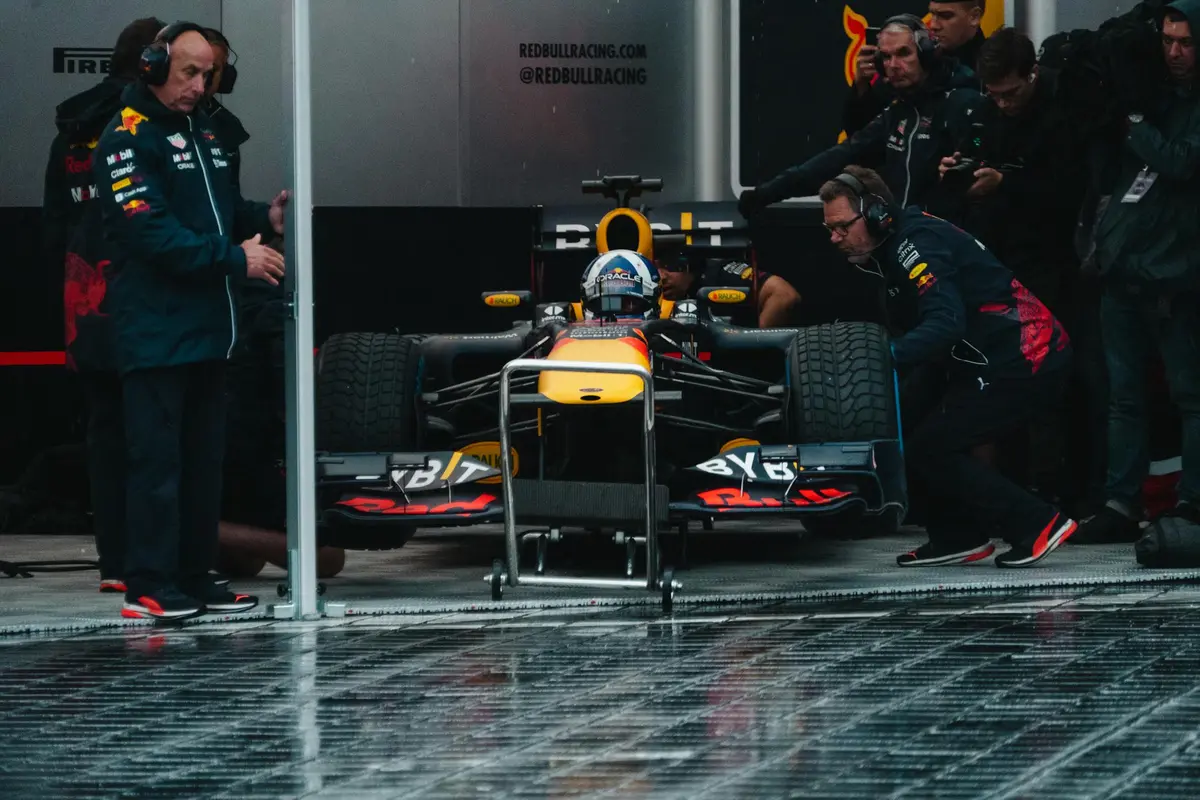
Ricciardo Opens Up on Red Bull's Career-Ending Call
Daniel Ricciardo has delivered one of the most candid post-retirement reflections in recent Formula 1 memory, revealing a surprising sense of gratitude toward Red Bull Racing for ultimately making the decision to end his F1 career on his behalf. Speaking publicly about the circumstances surrounding his departure, Ricciardo described himself as "grateful" that the choice was, in his own words, taken out of his hands. It is a remarkable admission from one of the sport's most beloved personalities — and one that speaks volumes about both the emotional complexity of stepping away from F1 and the internal dynamics at Red Bull Racing.
Detailed Analysis: Why Ricciardo's Words Matter
The Psychology Behind the Gratitude
At first glance, expressing gratitude to the team that effectively ended your career seems counterintuitive. But Ricciardo's reflection reveals a deeper psychological truth about elite athletes: sometimes the hardest part is knowing when to stop. By acknowledging that Red Bull's decision spared him the burden of making that call himself, Ricciardo is being unusually transparent about the mental weight that comes with being a Formula 1 driver whose best years are perceived to be behind him.
Ricciardo's on-track struggles during his second stint with Red Bull's junior outfit — what was then known as AlphaTauri and later Racing Bulls — were well-documented. His return to the Red Bull family had been framed as a pathway back to the senior team, but the results never consistently matched the narrative. The gap between expectation and performance created a difficult environment, and Ricciardo's frank acknowledgment suggests the situation had become emotionally as well as professionally unsustainable.
Red Bull's Driver Management Philosophy
Red Bull Racing has long operated one of the most structured and at times ruthless driver development programs in Formula 1. The program has produced world champions, but it has also seen promising careers stall or end abruptly when the data did not align with the investment. For Ricciardo, a driver who had once been earmarked as a future world champion after leaving Red Bull's senior lineup in 2018, the return was always going to be scrutinised under that same unforgiving lens.
The fact that Ricciardo frames Red Bull's intervention as an act of kindness — rather than a cold corporate decision — is significant. It suggests the relationship between driver and team, despite its turbulence, retained a human dimension. This nuance is often lost in the broader narratives around Red Bull's driver management, which tend to focus on the abrupt nature of transitions rather than the conversations that precede them.
Implications for the 2026 Red Bull Lineup
In the 2026 Formula 1 season, Red Bull Racing fields Max Verstappen alongside rookie Isack Hadjar. Hadjar's ascent through the Red Bull programme represents the very pipeline that Ricciardo's departure helped to clear. The Frenchman's presence in the senior car is a direct consequence of Red Bull's willingness to make difficult calls — a philosophy that Ricciardo himself has now, in retrospect, validated. Red Bull's driver strategy has always prioritised long-term performance yield over short-term sentiment, and Ricciardo's gracious reflection arguably legitimises that approach.
Context: Ricciardo's Story Within the 2026 Season Narrative
As the 2026 Formula 1 season unfolds, Ricciardo's comments arrive at a moment when the grid has undergone significant transformation. The new 2026 technical regulations — which introduced revised power unit architecture and active aerodynamic systems (Active Aero refers to the moveable bodywork surfaces that automatically adjust drag and downforce levels depending on speed and cornering demands) — have reshuffled the competitive order. Red Bull, once the dominant force, is navigating fresh challenges with a restructured lineup.
Against this backdrop, Ricciardo's retirement story serves as a poignant reminder of the sport's generational churn. His career arc — from Red Bull race winner to Red Bull-facilitated retiree — forms a complete, if bittersweet, circle. His willingness to speak openly about it adds genuine human texture to a season dominated by technical and regulatory discourse.
Key Takeaways
- Daniel Ricciardo has publicly expressed gratitude to Red Bull Racing for making the decision to end his Formula 1 career, describing it as a weight lifted from his shoulders.
- Ricciardo's reflection highlights the psychological complexity facing veteran drivers whose careers are winding down, and the difficulty of self-assessing when to retire.
- Red Bull's decision aligns with the team's historically data-driven, performance-first driver management philosophy, which Ricciardo's comments implicitly validate.
- The 2026 Red Bull lineup of Max Verstappen and Isack Hadjar represents the direct downstream outcome of the succession planning that included Ricciardo's exit.
Frequently Asked Questions
Why did Red Bull Racing end Daniel Ricciardo's Formula 1 career?
Based on Ricciardo's own reflection, Red Bull made the decision based on performance and strategic considerations within their driver programme. Ricciardo acknowledged the decision was taken out of his hands, suggesting the team concluded his stint no longer aligned with their competitive direction, particularly as younger Red Bull academy drivers were ready to step up.
How does Red Bull Racing's driver management programme work in 2026?
Red Bull operates one of the most structured talent pipelines in Formula 1, running drivers through their junior teams — currently Racing Bulls — before evaluating them for promotion to the senior Red Bull seat. In 2026, that pipeline has delivered Isack Hadjar to partner Max Verstappen, demonstrating the programme's continuity and the high-turnover philosophy that has defined it for over a decade.
What is Isack Hadjar's role at Red Bull Racing in 2026 following Ricciardo's departure?
Isack Hadjar serves as Max Verstappen's teammate at Red Bull Racing in the 2026 season. A product of the Red Bull junior academy, Hadjar's promotion to the senior team represents the culmination of the driver succession process that involved moving on from veterans like Ricciardo in favour of the next generation of Red Bull-developed talent.
Conclusion: A Graceful Exit That Reflects Well on All Parties
Daniel Ricciardo's decision to speak openly — and graciously — about the end of his Formula 1 journey is a testament to his character. By framing Red Bull's intervention as something he is grateful for, he has recontextualised what could have been a bitter ending into something far more dignified. For Red Bull Racing, the reflection validates their approach to driver management, even if that approach carries human cost. As the 2026 season continues to evolve, Ricciardo's legacy within the Red Bull ecosystem remains an important chapter in the team's long and complex history with driver transitions.
In this article