Reutemann’s Rebellion: The 1981 Brazilian GP Team Orders Scandal | F1 Newsboard
In 1981, Carlos Reutemann ignored the infamous 'JONES-REUT' board to win the Brazilian GP, sparking one of F1's greatest internal feuds.
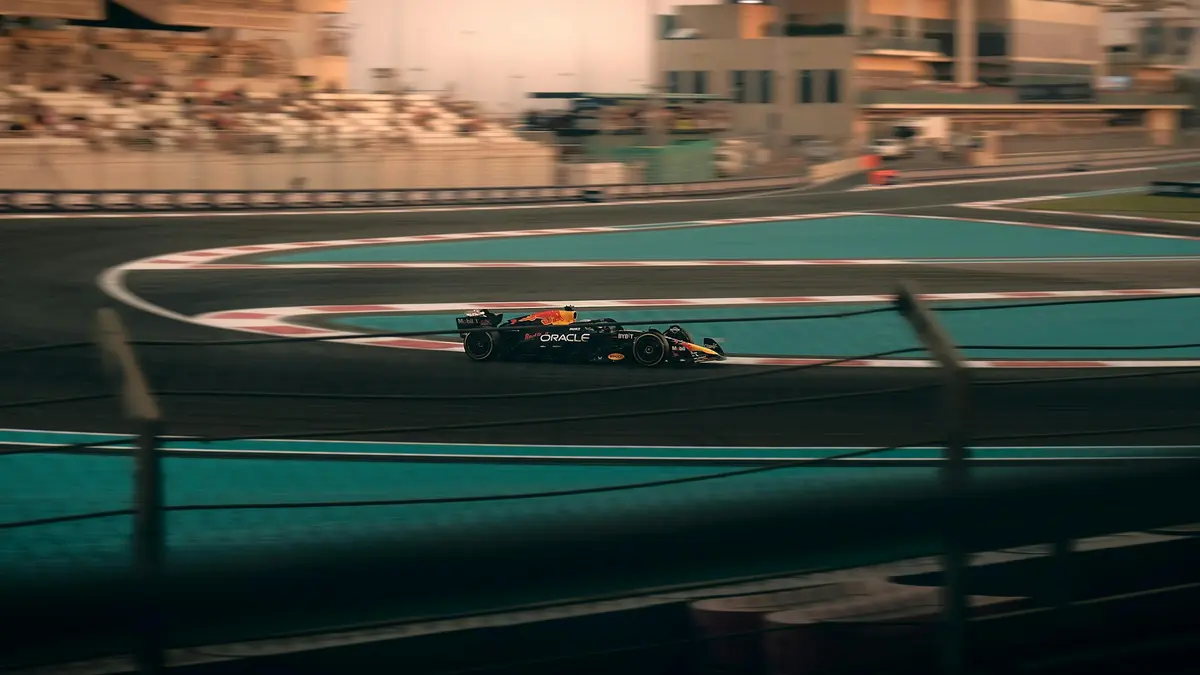
On This Day, March 29, 1981, Carlos Reutemann defied Williams team orders to claim a controversial victory at the Brazilian Grand Prix. In a rain-soaked race at Jacarepaguá, the Argentine ignored the "JONES-REUT" pit board, refusing to yield his lead to teammate Alan Jones, forever fracturing the relationship within the championship-winning squad.
The Rain at Jacarepaguá
The 1981 season arrived with high tensions following the FISA-FOCA war, but the drama on track in Rio de Janeiro would prove even more explosive. The race was held under a leaden sky that eventually unleashed a tropical deluge. In these treacherous conditions, Carlos Reutemann, driving the legendary Williams FW07C, showcased his sublime wet-weather mastery. While others struggled with the unpredictable levels of ground effect downforce on the puddling track, Reutemann remained composed at the front.
Reutemann had grabbed the lead from the start, despite Alan Jones being the reigning World Champion and the designated number one driver in Frank Williams’ eyes. As the laps wound down and the rain intensified, the pit wall began to worry. The team displayed a clear sign: "JONES-REUT." The instruction was unequivocal—Reutemann was to slow down and allow Jones to take the win.
A Cold War in the Pits
Lap after lap, Reutemann drove past his pit board, seeing the command to move over. He simply chose to ignore it. To the Argentine, he was the faster man on the day, and he had no intention of gifting a victory while he was in the form of his life. He crossed the line to take the chequered flag, followed closely by a fuming Alan Jones. Riccardo Patrese finished a distant third in the Arrows A3.
The aftermath was chilling. A furious Alan Jones refused to appear on the podium, leaving Reutemann to celebrate a hollow victory alone in the rain. The Williams FW07C was undoubtedly the class of the field, powered by the reliable Ford Cosworth DFV V8, but the internal harmony of the team was shattered. Frank Williams was reportedly livid, as his strict hierarchy had been publicly challenged.
The Cost of Defiance
While Carlos Reutemann took the nine points for the win, the psychological toll of the "Rebellion in Rio" would haunt him for the rest of the 1981 season. Many historians believe the lack of team support in the final rounds—specifically at the Caesar’s Palace finale—was a direct result of the bridge burned on this day in March. Reutemann would eventually lose the world title to Nelson Piquet by a single point.
This race remains a pinnacle of the mechanical era: no radio communication, no driver aids, just a man, his machine, and a defiant choice made at 180 mph. It was Formula 1 at its most raw and political.
#F1 #F1History #RetroF1 #F1TechIn this article