Red Bull RB22 Upgrades: Technical Analysis at Suzuka
Red Bull Racing introduces a focused RB22 upgrade package at Suzuka to stabilize aero and improve cooling. Read our deep-dive technical analysis for 2026.
Introduction: Red Bull’s Strategic Pivot at Suzuka
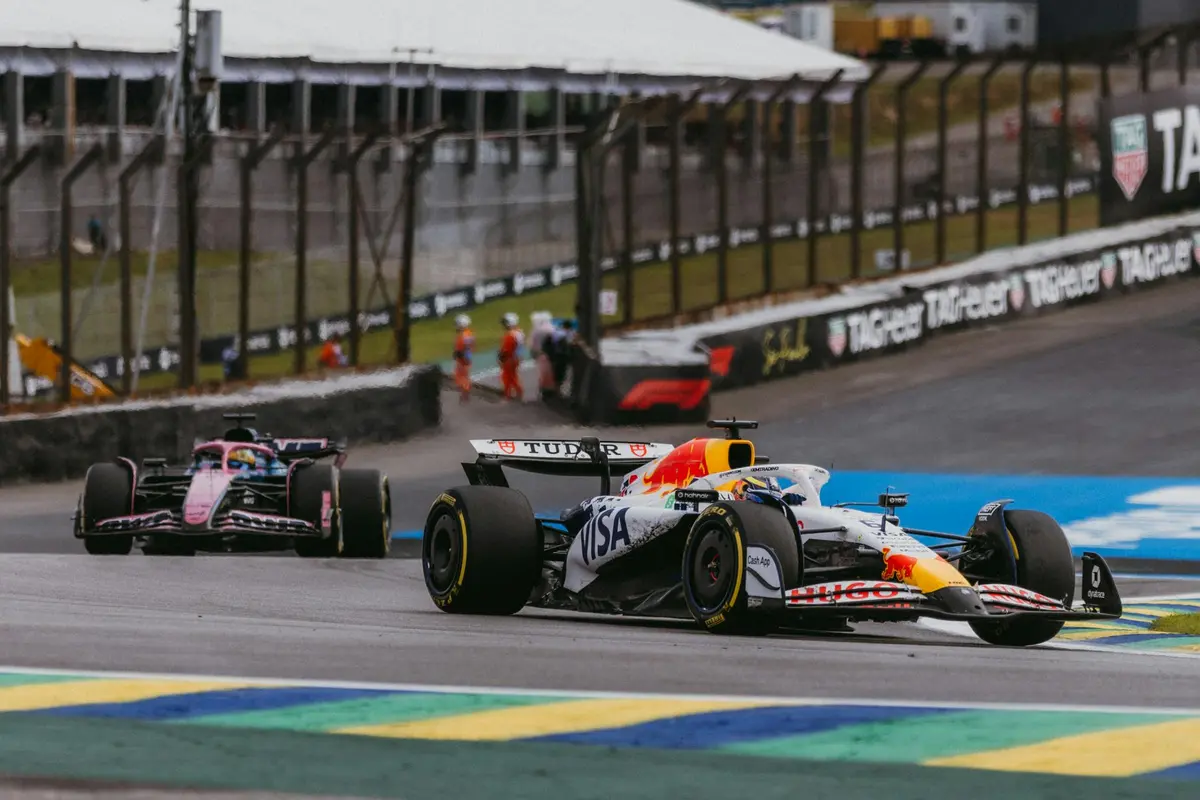
As the 2026 Formula 1 season descends upon the iconic Suzuka International Racing Course this March, the technical battleground has shifted toward refinement and reliability. Red Bull Racing has arrived at the Japanese Grand Prix with a "tightly focused upgrade package" specifically engineered for the RB22. In a season defined by the most radical regulation changes in a generation, Milton Keynes is prioritizing the stabilization of their aerodynamic platform and a significant leap in cooling efficiency. With the 2026 power units demanding a delicate balance between internal combustion and electrical output, these Red Bull RB22 upgrades represent a pivotal moment in the team's quest to maintain its championship-winning pedigree under the leadership of Team Principal Laurent Mekies.
Detailed Technical Analysis: Stabilizing the RB22
The Suzuka circuit is world-renowned for its high-speed, high-lateral-load sectors, particularly the iconic "S" Curves and the daunting 130R. For the RB22, these sections have previously highlighted a sensitivity in the aerodynamic floor during high-speed transitions. The new Red Bull RB22 upgrades aim to mitigate this by introducing revised floor fences and a modified edge wing geometry. The goal is to create a more consistent center of pressure, ensuring that Max Verstappen and Isack Hadjar have a predictable platform when navigating the rapid changes of direction that define the first sector.
Beyond pure downforce, the 2026 regulations have introduced "Active Aero"—a system where both front and rear wings adjust their profiles to balance drag and downforce. Red Bull’s latest package focuses on the synchronization of these elements. If the transition between high-downforce and low-drag modes is not seamless, the car can become unsettled, leading to snap oversteer. By stabilizing the aerodynamic platform, Red Bull is essentially widening the operating window of the RB22, allowing the drivers to push closer to the limit without fear of unpredictable aero-stalls.
Cooling efficiency is the second pillar of this update. The 2026 Power Units utilize a 50/50 power split between the Internal Combustion Engine (ICE) and the Energy Recovery System (ERS). This massive increase in electrical reliance generates significant thermal energy. Red Bull’s engineers have redesigned the sidepod inlets and internal ducting to maximize airflow to the radiators without increasing the overall drag coefficient. This is critical for the "Manual Override"—a 2026 technical feature that provides a driver with an extra burst of electrical power to aid overtaking. Without efficient cooling, the ERS would suffer from thermal derating, rendering this boost unavailable during crucial wheel-to-wheel combat.
Context: The 2026 Narrative and Championship Stakes
The 2026 season has been a trial by fire for every team on the grid. Red Bull Racing, now operating with their own powertrain division in close collaboration with Ford, faces immense pressure to deliver for Max Verstappen. While Verstappen remains the benchmark for the grid, the integration of rookie Isack Hadjar has necessitated a car that is not only fast but also accessible. The Red Bull RB22 upgrades at Suzuka are a direct response to the evolving threat from a resurgent Ferrari, led by Charles Leclerc and Lewis Hamilton, and a McLaren team that has shown exceptional aero-efficiency in the early rounds.
Suzuka serves as the ultimate litmus test for these updates. The track’s figure-eight layout and relentless high-speed corners punish any aerodynamic inefficiency. If Red Bull can prove that their cooling solutions hold up under the high ambient loads of late March in Japan, it sets a formidable precedent for the upcoming European leg of the season. This package isn't just about winning in Japan; it’s about proving that the RB22 platform is the most adaptable chassis of the new era.
Key Takeaways from the Suzuka Update
- Aero Stability: Revised floor and wing geometries to ensure a consistent aerodynamic platform during high-speed cornering and Active Aero transitions.
- Thermal Management: Enhanced cooling efficiency to prevent ERS derating, ensuring the Manual Override boost remains available throughout the race.
- Driver Confidence: A more predictable car balance designed to assist both the veteran Max Verstappen and the rookie Isack Hadjar.
- Strategic Refinement: A move away from experimental parts toward a "tightly focused" package aimed at maximizing points at a demanding circuit.
Frequently Asked Questions
How do the Red Bull RB22 upgrades affect Max Verstappen’s driving style?
The upgrades provide a more stable aerodynamic platform, which allows Verstappen to attack high-speed entries with more precision. By reducing the sensitivity of the floor, the RB22 becomes more predictable, catering to Verstappen's preference for a sharp but stable front end.
Why is cooling efficiency critical for the Red Bull RB22 at Suzuka?
Suzuka’s high-speed nature requires the Power Unit to operate at maximum deployment for extended periods. Improved cooling ensures that the 2026 ERS components do not overheat, allowing the team to utilize the Manual Override boost system more frequently without risking reliability issues.
Will Isack Hadjar benefit from the new aerodynamic platform?
Yes. For a rookie like Hadjar, a stable and predictable car is essential for building confidence. The focused upgrades aim to eliminate the "peaky" aero characteristics that can lead to mistakes in high-speed sections like the Degner curves.
Conclusion: Looking Ahead to Race Day
Red Bull’s arrival at Suzuka with such a specific technical direction suggests a team that is confident in its data but wary of its rivals. The Red Bull RB22 upgrades are a calculated response to the unique demands of the 2026 regulations, where aero-thermal management is the new frontier of performance. As we move into the competitive sessions, the focus will be on whether these changes translate into the lap time dominance we have come to expect from the Milton Keynes squad. If the RB22 can master the S-Curves with its new stabilized platform, the rest of the field may find themselves chasing shadows once again. All eyes now turn to the track to see if the simulation data matches the reality of the asphalt.