Red Bull Pirelli 2027 Tyre Test at Suzuka Explained
Red Bull and Racing Bulls join Pirelli at Suzuka for a two-day private test targeting 2027 tyre development — here's why it matters.
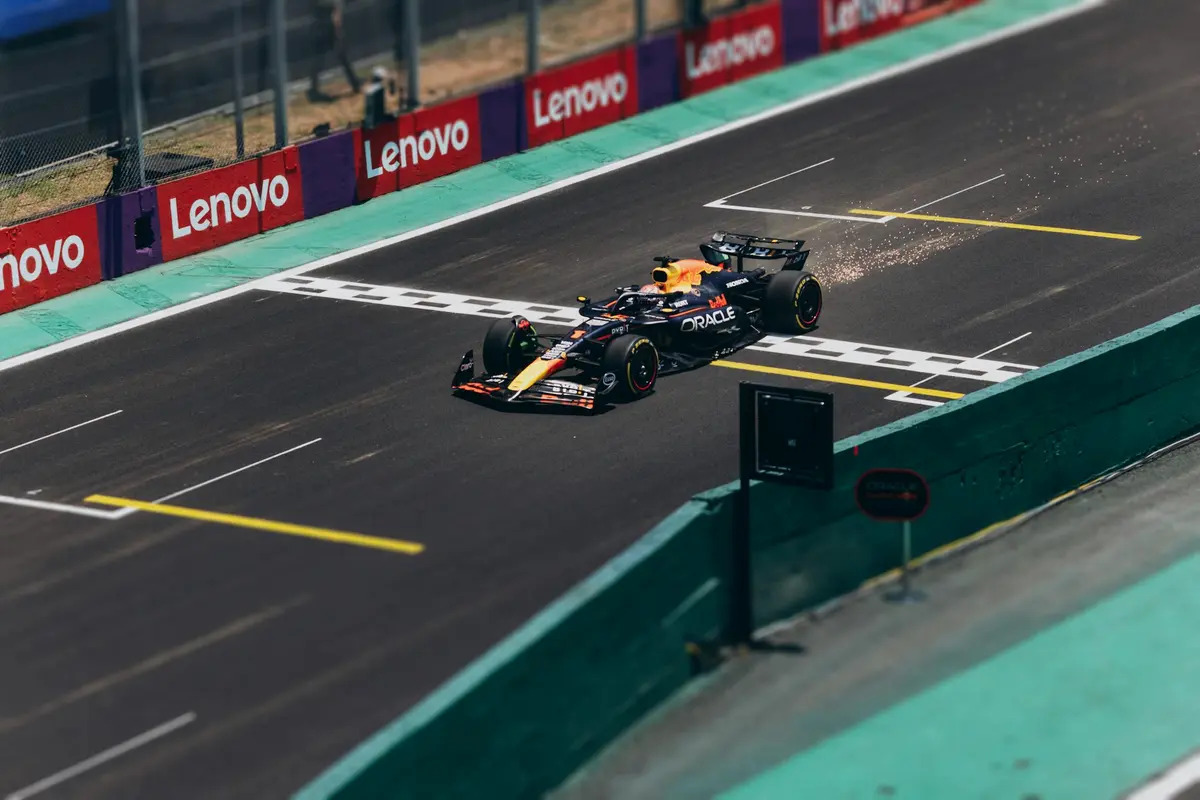
Red Bull and Racing Bulls Join Pirelli's 2027 Tyre Test at Suzuka
Just days after the chequered flag fell on the Japanese Grand Prix, Suzuka Circuit has remained very much alive with the roar of Formula 1 machinery. Pirelli, the sport's official tyre supplier, has retained a presence at the iconic Japanese venue to conduct a two-day private test alongside Red Bull Racing and their sister team, Racing Bulls. This session forms a critical chapter in the Italian manufacturer's long-term development programme for the 2027 Formula 1 tyres — a compound generation that could fundamentally reshape championship battles for years to come. For Red Bull, participation in this Red Bull Pirelli 2027 tyre test represents far more than a routine data-gathering exercise.
Detailed Analysis: Why This Test Matters So Much
The Strategic Value of Suzuka as a Test Venue
Suzuka is arguably one of the most demanding and technically diverse circuits on the Formula 1 calendar. Its combination of high-speed sweepers — most notably the iconic Sector 1 sequence through corners like Degner and the Esses — combined with slower technical sections and the legendary 130R corner creates a uniquely comprehensive stress-test environment for tyre compounds. For Pirelli's engineers, this variety is invaluable. The forces placed on tyres through sustained lateral loading, combined with Suzuka's abrasive surface characteristics, generate data points that are extremely difficult to replicate in a laboratory or on a simpler circuit. Choosing to remain at Suzuka immediately after the Grand Prix is a calculated decision — the track conditions, rubber laid down during race weekend, and ambient temperatures are still fresh and representative, providing continuity of data that a fresh track at a different venue simply cannot offer.
What Pirelli Is Looking For in the 2027 Compounds
The 2027 tyre development cycle is operating under an accelerated timeline, particularly given the sweeping regulatory changes that accompanied the 2026 season — including the introduction of dramatically revised aerodynamic philosophies and new power unit regulations. The 2026 cars generate different load signatures and downforce characteristics compared to their predecessors, which means Pirelli must ensure the 2027 compounds are engineered to match not just the current car architecture but anticipated performance envelopes as teams continue to unlock the potential of the new ruleset. In this Red Bull Pirelli 2027 tyre test, engineers will likely be evaluating different construction stiffnesses, tread compounds, and thermal management behaviours across various fuel loads and aero configurations. Each data set collected feeds directly into Pirelli's simulation models, gradually converging on the specification that will eventually be homologated for competition.
Red Bull's Specific Advantage in Tyre Development Tests
Red Bull Racing's involvement in this test is particularly noteworthy from a competitive standpoint. As one of the sport's most technically sophisticated outfits — with a dedicated technology campus in Milton Keynes housing extensive simulation infrastructure — Red Bull can extract and process tyre feedback with exceptional precision. Their drivers, Max Verstappen and Isack Hadjar, bring complementary feedback styles: Verstappen's world-championship-winning mechanical sensitivity and Hadjar's fresh, data-oriented approach as a rookie integrating into the top tier of the sport in 2026. The presence of Racing Bulls alongside Red Bull creates a layered dataset, allowing Pirelli to compare tyre behaviour across two cars that share a degree of mechanical DNA but differ in setup philosophy and driving styles. This breadth of feedback is extremely valuable for a tyre supplier developing compounds that must perform across the entire grid.
Context: Fitting Into the 2026 Season Narrative
The 2026 Formula 1 season has already proven to be a watershed moment in the sport's history, with the new power unit regulations and aerodynamic overhaul reshaping the competitive order. Against this backdrop, the Red Bull Pirelli 2027 tyre test at Suzuka underscores how the sport's ecosystem never truly pauses — even as race results are still being digested, the next technological frontier is already being mapped out. For Red Bull, who are simultaneously managing the challenge of maximising performance from their 2026 challenger while investing resources in future development programmes, this test reflects the enormous operational scale required to compete at the front of modern Formula 1. Tyre behaviour has been one of the defining performance differentiators in every recent season, and early influence over the 2027 compound specification could yield significant long-term dividends.
Key Takeaways
- Strategic Timing: Pirelli chose to remain at Suzuka immediately post-Grand Prix to capitalise on track conditions and rubber already laid down during race weekend, maximising data consistency.
- 2027 Development Priority: The Red Bull Pirelli 2027 tyre test is a formal part of Pirelli's multi-year programme to develop and homologate the next-generation compounds before the 2027 season begins.
- Dual-Team Coverage: The involvement of both Red Bull Racing and Racing Bulls gives Pirelli a broader spectrum of driver feedback and mechanical setups, accelerating compound refinement.
- Competitive Implications: Teams that participate actively in tyre development tests can subtly influence final compound characteristics — and gain invaluable early familiarity with the rubber they will eventually race on.
Frequently Asked Questions
Why is Red Bull Racing involved in Pirelli's 2027 tyre development test?
Red Bull Racing is one of several top teams invited to participate in Pirelli's formal 2027 tyre development programme. Their advanced simulation infrastructure, experienced personnel, and the combined feedback from both Red Bull and Racing Bulls make them an ideal partner for generating the high-quality, diverse data that Pirelli needs to refine next-generation compounds.
How does the Red Bull Pirelli 2027 tyre test at Suzuka benefit Red Bull in future seasons?
By participating in tyre development testing, Red Bull's engineers and drivers gain early exposure to prototype 2027 compounds, building an internal understanding of their behaviour. This institutional knowledge can inform car development decisions — particularly around suspension geometry and aerodynamic philosophy — long before the 2027 season commences, potentially giving Red Bull a head start over rivals who were less involved in the process.
Does Red Bull's participation in tyre tests at Suzuka give them an advantage in the Japanese Grand Prix in future years?
While Pirelli's tyre tests are structured to benefit the sport as a whole rather than any individual team, the familiarity Red Bull builds with tyre behaviour at Suzuka through extensive post-race testing is undeniably valuable. Understanding how prototype and production-spec compounds respond to Suzuka's unique surface and corner characteristics can inform race strategy and setup decisions in future Japanese Grand Prix weekends.
Conclusion: Eyes Already on 2027
The two-day Red Bull Pirelli 2027 tyre test at Suzuka is a compelling reminder that in Formula 1, the future is always being built in the present. While the wider world processes the outcomes of the Japanese Grand Prix, Red Bull and Racing Bulls are already helping to shape the technical landscape of the 2027 season. As Pirelli's development programme continues at circuits around the world, the data gathered at Suzuka will play a meaningful role in defining the rubber that the entire grid races on next year. Red Bull's commitment to this process signals a team thinking several steps ahead — precisely what championship contenders must do.
In this article