Red Bull Racing Media Controversy at Japanese Grand Prix
Red Bull Racing faces media scrutiny after Max Verstappen banishes a British reporter from the Japanese Grand Prix media session. Journalists demand FIA action.
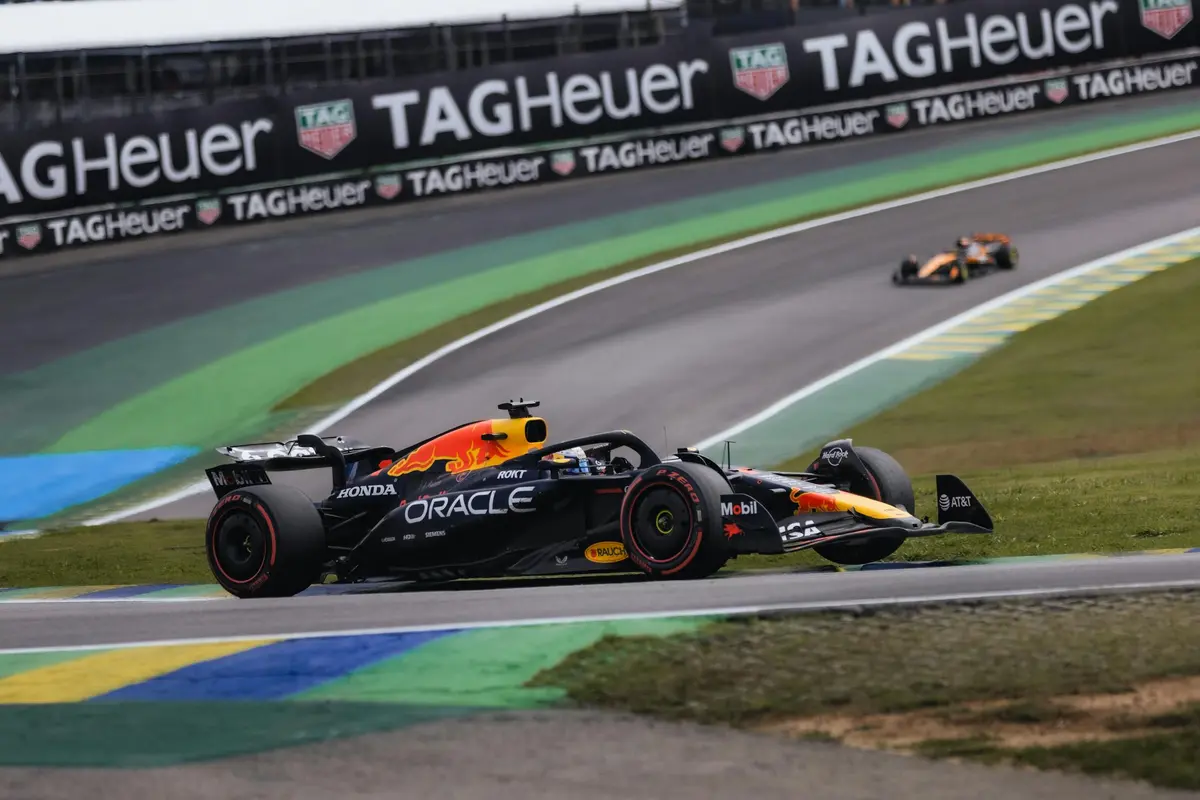
Red Bull Racing Media Controversy Escalates: Max Verstappen Banishes British Reporter from Media Session
Introduction
The 2026 Formula 1 season continues to generate headlines beyond track performance, with Red Bull Racing at the center of a significant media relations controversy. Ahead of the Japanese Grand Prix, multiple journalists have called upon the FIA—Formula 1's governing body—to take decisive action following an incident in which Max Verstappen, Red Bull Racing's lead driver, banished a British reporter from a pre-race media session. This unprecedented move raises critical questions about driver accountability, media access rights, and the FIA's enforcement mechanisms during the high-stakes 2026 campaign. The incident underscores growing tensions between top-tier drivers and press coverage, threatening the transparency that has long been a cornerstone of Formula 1's global appeal.
The Incident: What Happened at Red Bull Racing's Media Session
According to reports, Max Verstappen unilaterally removed a British reporter from Red Bull Racing's media session ahead of the Japanese Grand Prix. This action by the Red Bull Racing driver represents an extraordinary departure from established Formula 1 protocols. While specific details regarding the catalyst for the expulsion remain contested, the incident has triggered widespread concern within the international motorsports journalism community. Red Bull Racing, as an organization, has not issued a comprehensive public statement defending or clarifying the circumstances, leaving significant ambiguity around the justification for this decision.
The timing of the Red Bull Racing media exclusion—directly preceding a major Grand Prix—amplifies its significance within the 2026 season narrative. Media sessions serve as critical touchpoints for driver-press interaction, offering fans globally the opportunity to hear directly from pilots about their mindset, technical challenges, and competitive strategies. When Red Bull Racing permits a driver to unilaterally exclude journalists, it fractures the agreed-upon framework that governs these interactions and raises questions about whether Red Bull Racing operates under different rules than other teams on the grid.
The British reporter's removal from the Red Bull Racing session has become a rallying point for media organizations worldwide. Journalists argue that this incident at the Japanese Grand Prix represents a troubling precedent that could embolden other drivers or teams to restrict press access under subjective pretenses. The incident underscores a broader tension: while drivers possess personality and legitimate grievances, Red Bull Racing's failure to establish clear boundaries or mediate the situation suggests internal inconsistency in how the team manages its public-facing responsibilities during the 2026 championship fight.
FIA Accountability and the Call for Action
Multiple journalists and media organizations have formally requested that the FIA intervene and establish clearer protocols governing driver conduct during mandatory media sessions. The FIA has long attempted to balance driver autonomy with legitimate media access requirements—a delicate equilibrium that appears compromised by Red Bull Racing's handling of this situation. Under current FIA regulations, media attendance at official sessions is considered a fundamental right for accredited journalists, yet enforcement mechanisms remain murky when drivers or teams restrict access arbitrarily.
The absence of swift FIA clarification regarding Red Bull Racing's actions has fueled speculation about institutional consistency. If the sport's governing body fails to address the Red Bull Racing incident definitively, it risks establishing a precedent where high-profile drivers enjoy de facto veto power over press attendance. This could cascade into a fragmentation of media access across the grid, ultimately damaging Formula 1's transparency and global marketability during a critical 2026 season when competitive narratives and driver personalities drive viewership and sponsorship value.
Red Bull Racing, as one of the sport's most successful organizations in recent years, carries outsized influence. When Red Bull Racing tolerates or enables such behavior from its lead driver, other teams may interpret this as tacit acceptance of similar conduct. The FIA's response—or lack thereof—will signal whether media access protections are enforced uniformly across the grid or whether high-performing teams like Red Bull Racing operate under alternative standards during the 2026 campaign.
Context: The 2026 Season and Driver-Media Tensions
The Red Bull Racing controversy arrives during a particularly volatile period in Formula 1's relationship with traditional media. The 2026 season has witnessed mounting friction between elite drivers and journalists, reflecting broader societal shifts in how public figures manage their messaging through social platforms. Max Verstappen, in particular, has cultivated a reputation for forthright—sometimes combative—interactions with the press, though this is his first reported unilateral exclusion of a journalist from an official session during the 2026 campaign.
Red Bull Racing's organizational culture, shaped by team principal Christian Horner's leadership philosophy, emphasizes autonomy and aggressive competition. However, this internal ethos cannot supersede FIA-mandated media protocols without consequence. The Japanese Grand Prix incident at Red Bull Racing represents a collision between organizational assertiveness and sport-wide governance—a tension that the FIA must resolve definitively to preserve Formula 1's institutional integrity during the 2026 season. How the FIA responds to Red Bull Racing will establish precedent for how other teams and drivers approach media relations for the remainder of the championship.
Key Takeaways
- Red Bull Racing Media Protocol Breach: Max Verstappen's removal of a British reporter from the Japanese Grand Prix media session violates established Formula 1 transparency norms and raises questions about Red Bull Racing's institutional oversight.
- FIA Enforcement Gap: The absence of immediate FIA intervention suggests potential inconsistency in how the sport's governing body enforces media access standards across the 2026 grid.
- Precedent Risk: If Red Bull Racing faces no consequences, other teams may adopt similar exclusionary tactics, fragmenting media access and damaging Formula 1's global transparency during the critical 2026 season.
- Broader Accountability Question: This incident underscores whether elite drivers and high-performing teams like Red Bull Racing operate under uniform governance or enjoy exemptions from established protocols.
Frequently Asked Questions
What is Red Bull Racing's official stance on the media session exclusion at the Japanese Grand Prix?
Red Bull Racing has not issued a comprehensive public statement defending or fully clarifying the circumstances surrounding Max Verstappen's removal of the British reporter from the media session. The team's silence has only intensified speculation and concern among journalists worldwide about whether Red Bull Racing tacitly endorses such exclusions or failed to exercise adequate oversight of its lead driver's conduct during the 2026 season.
What powers does the FIA have to enforce media access protocols against Red Bull Racing drivers?
The FIA possesses regulatory authority to implement penalties for violations of sport-wide governance standards, including those governing mandatory media sessions. However, the specific mechanisms and severity of potential sanctions against Red Bull Racing or Max Verstappen remain ambiguous, and the FIA has not clarified whether this incident triggers formal investigation or disciplinary procedures during the 2026 campaign.
Could Red Bull Racing face sporting penalties if the FIA determines a protocol violation occurred?
Theoretically, yes—the FIA could impose fines, super-license points, or other sanctions against Red Bull Racing as an organization or Max Verstappen individually. However, precedent for such enforcement remains limited, and the FIA has historically applied media-related penalties inconsistently. This ambiguity regarding Red Bull Racing's potential accountability has frustrated journalists calling for clearer, more uniformly enforced standards during the 2026 season.
Conclusion
The Red Bull Racing media exclusion incident at the Japanese Grand Prix represents a critical inflection point for Formula 1's governance during the 2026 season. Max Verstappen's unilateral removal of a British reporter, combined with Red Bull Racing's apparent institutional passivity, signals that transparency protections may be eroding under pressure from high-performing teams and assertive personalities. The FIA must respond decisively—clarifying media access protocols, establishing enforceable consequences, and demonstrating that all teams, including Red Bull Racing, operate under uniform governance standards. Failure to do so risks fragmenting the sport's media ecosystem and undermining the transparency that sustains Formula 1's global appeal as we progress through the 2026 championship. Journalists worldwide will be watching closely to see whether the FIA prioritizes institutional integrity or allows precedent-setting exceptions that could reshape how drivers interact with the press for seasons to come.
In this article