Red Bull Key Personnel Exit Rocks 2026 Campaign
Red Bull mechanic Ole Schack has left the team citing a changed 'atmosphere', raising fresh concerns about internal stability around Max Verstappen in 2026.
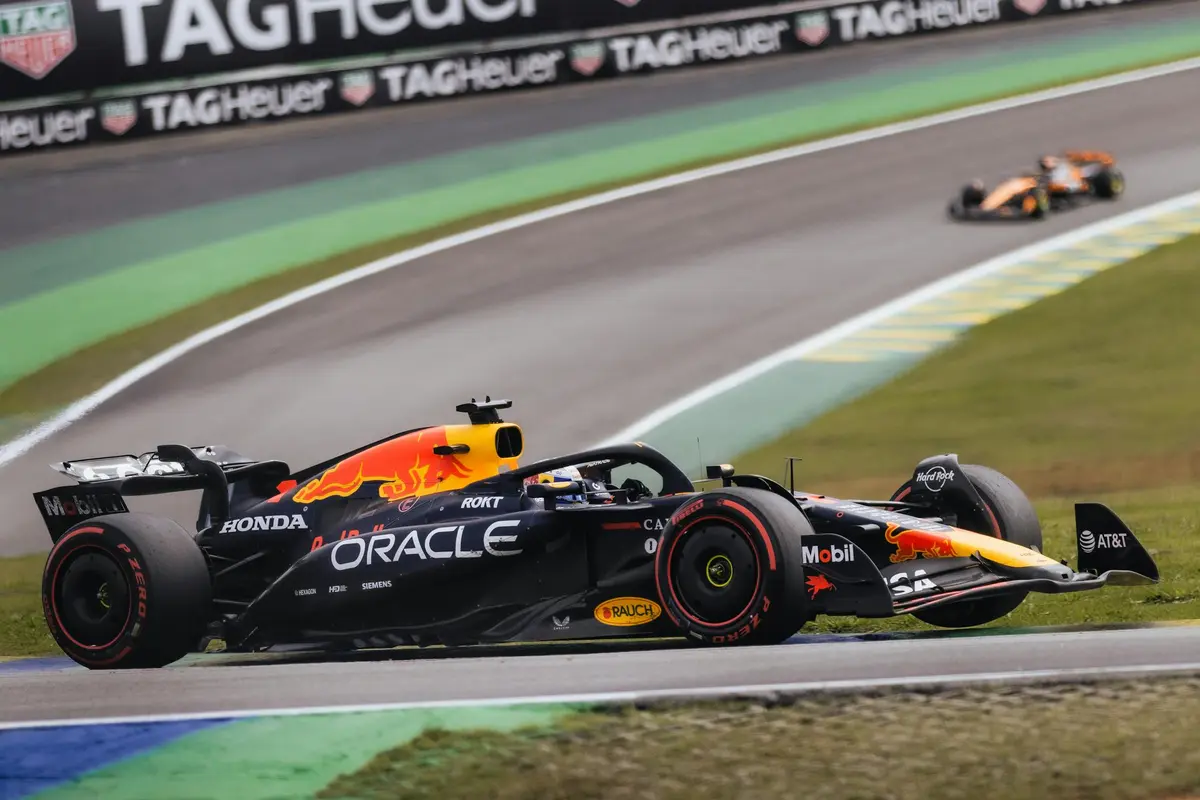
Red Bull Mechanic Ole Schack Departs, Citing Atmosphere Shift
Red Bull Racing is facing fresh turbulence in 2026 as long-serving mechanic Ole Schack has confirmed his departure from the Milton Keynes outfit. According to reports from MotorSportWeek, Schack — a highly experienced member of Max Verstappen's pit crew — cited a notable change in the team's internal 'atmosphere' as the primary reason for his exit. This Red Bull key personnel exit arrives at a delicate moment, with the team already navigating the pressures of Formula 1's sweeping 2026 technical regulation overhaul and a fiercely competitive grid. Losing a trusted, senior mechanic is rarely a headline number, but its ripple effects can be profound.
Detailed Analysis: Why This Departure Matters
The Role of Long-Serving Mechanics in F1
In the high-octane world of Formula 1, data engineers and aerodynamicists often grab the headlines, but experienced mechanics like Ole Schack represent the operational backbone of any championship-winning team. A mechanic who has worked closely with a driver as demanding and detail-oriented as Max Verstappen builds an almost irreplaceable institutional knowledge — from understanding the nuanced feedback Verstappen provides after each installation lap, to executing flawless pit stops under race-day pressure. The Red Bull key personnel exit of someone of Schack's tenure is not simply a headcount change; it is a loss of compounded expertise that new recruits cannot immediately replicate.
The 'Atmosphere' Comment: Reading Between the Lines
The word 'atmosphere' is carefully chosen and carries significant weight. In a team environment, internal culture is everything. When a long-serving professional cites atmosphere as a reason for leaving, it typically signals broader undercurrents — shifts in leadership philosophy, internal restructuring, or a change in the interpersonal dynamics that once made the garage feel cohesive. Red Bull has been publicly managing high-profile internal tensions over recent seasons, and this latest Red Bull key personnel exit appears to validate narratives that the team's once-legendary unity may be under strain. It raises legitimate questions about whether other long-serving staff members are similarly reassessing their futures with the team.
Impact on Verstappen's 2026 Season
Max Verstappen is widely regarded as one of the most technically engaged drivers on the current grid. He thrives on granular communication with his engineers and mechanics, using precise, repeatable feedback loops to extract the maximum from his car. Disrupting the personnel he has built trust with over multiple seasons could subtly affect the consistency of that feedback cycle. In 2026, where the new technical regulations have introduced significant complexity — including the heavily discussed Active Aero systems (moveable aerodynamic elements that automatically adjust downforce levels depending on speed and driver input) — that continuity becomes even more critical. Any friction in the human layer of the team's operation is an additional variable Verstappen does not need.
Red Bull's Broader Structural Challenges in 2026
Red Bull entered 2026 already facing significant headwinds. The 2026 regulations represent arguably the most dramatic technical reset in decades, demanding enormous resource allocation from every constructor. Retaining experienced, calm-under-pressure personnel during such transitions is a key competitive differentiator. Rival teams like McLaren, Ferrari, and Mercedes have been aggressively strengthening their technical and operational rosters. A Red Bull key personnel exit of this nature, therefore, is not occurring in a vacuum — it feeds into a wider narrative about the team's ability to maintain its dominant culture under external and internal pressure.
Context: Where Red Bull Stands in the 2026 Season Narrative
The 2026 Formula 1 season has been defined by uncertainty and disruption. New power unit regulations have reshuffled the competitive order, and no team can yet claim absolute dominance. Red Bull, which built its dynasty on operational excellence and an unrivalled technical culture under Adrian Newey's era, is now operating in a new reality. Newey's own high-profile departure in previous seasons already signalled a cultural shift. Ole Schack's exit reinforces the impression that the team is in a period of genuine transition. For Max Verstappen — who has repeatedly emphasised the importance of stability and trust around him — this environment represents a real sporting and psychological challenge heading deeper into the 2026 campaign.
Key Takeaways
- Long-serving Red Bull mechanic Ole Schack has left the team, citing a change in internal 'atmosphere', marking a notable Red Bull key personnel exit in 2026.
- Experienced mechanics carry deep institutional knowledge that is difficult to replace quickly, particularly mid-season in a regulation-change year.
- The 'atmosphere' reasoning suggests potential broader cultural or structural tensions within the Red Bull garage that could affect team cohesion.
- Max Verstappen's performance is closely tied to stable, trusted relationships with his technical and operational crew, making this departure particularly significant for his 2026 title prospects.
Frequently Asked Questions
Who is Ole Schack and why is his Red Bull departure significant?
Ole Schack is a long-serving mechanic at Red Bull Racing who worked closely as part of Max Verstappen's crew. His departure is significant because experienced mechanics carry invaluable, compounded institutional knowledge that directly supports driver performance and pit stop reliability — assets that are extremely difficult to replace mid-season.
How could Red Bull's internal atmosphere issues affect Max Verstappen's 2026 championship bid?
Verstappen is known for relying on deep trust and consistent communication with his core team personnel. If internal atmosphere shifts are causing key crew members to exit, it could disrupt the stable feedback environment Verstappen depends on, potentially introducing small but consequential inconsistencies in car setup and race-day execution during a critical 2026 season.
Has Red Bull Racing faced other key personnel exits before the 2026 season?
Yes. Red Bull has experienced several high-profile departures in recent seasons, most notably the exit of legendary designer Adrian Newey. Each departure has contributed to questions about the team's long-term structural stability and whether its dominant operational culture can be fully preserved through periods of significant internal change.
Conclusion: A Team at a Crossroads
The departure of Ole Schack may not shift lap time charts overnight, but it is a meaningful data point in understanding Red Bull's current trajectory. Teams win championships not just with fast cars, but with cohesive, motivated, and stable human operations. As the 2026 season intensifies and the competitive battles across the grid sharpen, Red Bull must address these internal dynamics urgently. Max Verstappen remains one of the sport's most formidable talents, but even the best driver needs a unified team behind him. All eyes will be on how Red Bull responds to this latest Red Bull key personnel exit in the races ahead.