Red Bull Japanese GP Friday Practice Struggles Explained
Red Bull Racing faces a steep climb at the 2026 Japanese GP after Verstappen and Hadjar struggle with balance and grip during Friday practice.
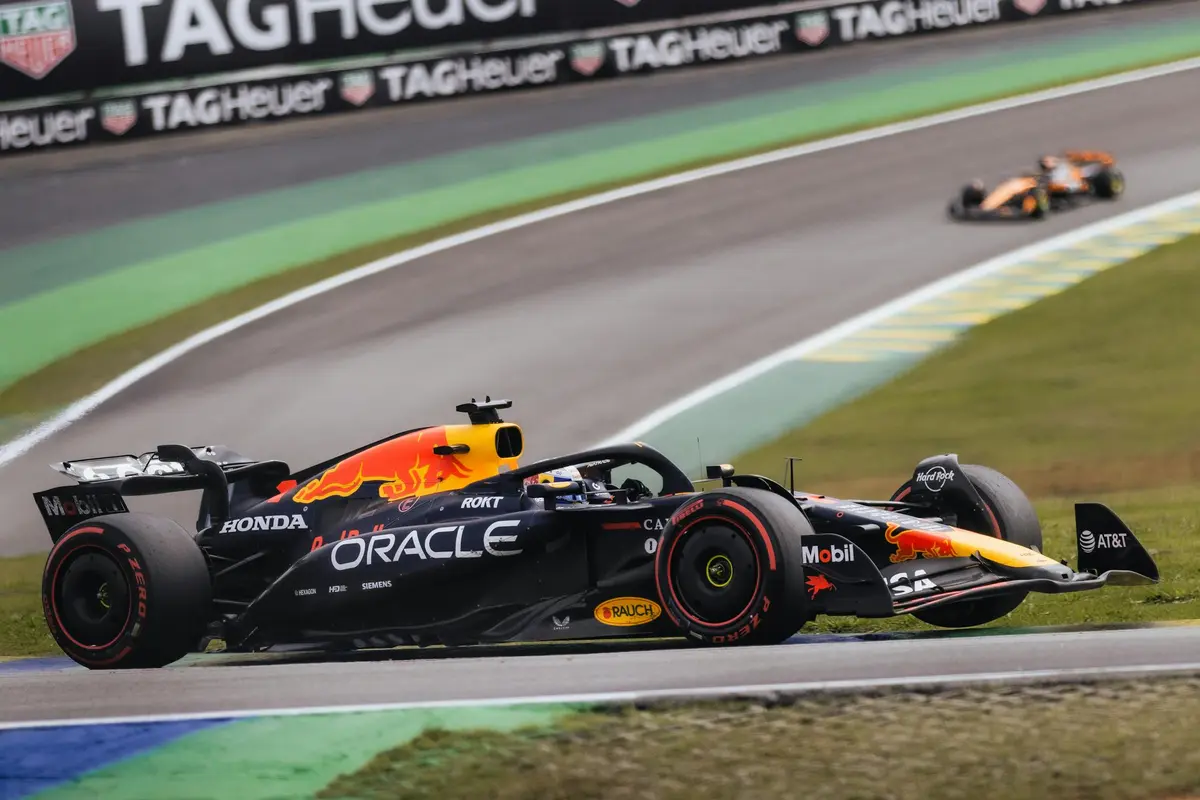
The Technical Hurdle at Suzuka: Red Bull's Friday Nightmare
The 2026 Formula 1 season has arrived at the iconic Suzuka International Racing Course, but for the reigning champions, the Red Bull Japanese GP weekend has commenced on a decidedly back-foot note. During Friday's opening practice sessions, the Milton Keynes-based squad found themselves uncharacteristically adrift of the pace-setters. Both Max Verstappen and his rookie teammate, Isack Hadjar, reported significant difficulties in taming the RB22, citing a lack of balance and inconsistent grip levels that left the team searching for answers late into the Japanese night.
As the first year of the radical 2026 technical regulations continues to unfold, the complexity of the new power units and aerodynamic packages is proving to be a steep learning curve even for the most established teams. At a high-speed, high-commitment circuit like Suzuka, any deficiency in vehicle dynamics is magnified. For Red Bull, the struggle during the Red Bull Japanese GP practice sessions suggests a fundamental mismatch between their current setup and the unique demands of the Japanese tarmac.
Detailed Analysis: Balance, Grip, and the 2026 Aero Challenge
The primary issue facing Max Verstappen and Isack Hadjar appears to be a lack of "platform stability." In the 2026 era, cars rely heavily on Active Aero—a system that adjusts wing angles in real-time to balance high downforce in corners with low drag on the straights. If the transition between these modes is not seamless, the driver loses confidence, particularly in the rapid direction changes of Suzuka’s Sector 1 "S" Curves. Verstappen was heard over the radio complaining about "snapping" mid-corner, a clear sign that the aerodynamic center of pressure is shifting unpredictably.
Furthermore, the 2026 power units, which feature a 50/50 power split between the internal combustion engine and electrical energy, require precise deployment strategies. Red Bull seemed to struggle with their Manual Override mapping—the driver-controlled electrical boost used to aid overtaking or defend positions. If the energy recovery is not perfectly synced with the braking phases, it can upset the rear axle stability, leading to the "lack of grip" reported by both drivers. Hadjar, in particular, found it difficult to string together a consistent long run, as the car's behavior seemed to change lap-over-lap.
The consistency issues are perhaps the most concerning for Team Principal Laurent Mekies. In previous seasons, Red Bull’s strength was their ability to "read" the tires. However, the 2026 compounds, combined with the increased weight of the new battery packs, have created a narrow operating window. On Friday, the RB22 appeared to be overheating its rear tires by the time it reached the hairpin, leaving the drivers with no traction for the final sector. This thermal degradation is a puzzle the engineers must solve before Saturday's qualifying session.
Context: The 2026 Championship Narrative
Entering the Red Bull Japanese GP, the championship battle is tighter than it has been in years. With Ferrari’s Lewis Hamilton and Charles Leclerc showing formidable pace, and the McLaren duo of Lando Norris and Oscar Piastri consistently on the podium, Red Bull can no longer afford "off" days. The transition to the 2026 regulations was always going to be a reset, and while Red Bull started the season strongly, their rivals appear to have made significant gains in aerodynamic efficiency.
For Max Verstappen, this weekend is a test of leadership. With a rookie teammate in Isack Hadjar, the burden of development falls squarely on the three-time champion's shoulders. Hadjar’s struggles are understandable given the complexity of the 2026 machinery, but for Red Bull to retain their constructors' title, they need both cars inside the top five. The Friday data suggests they are currently the fourth-fastest team on the grid, trailing Ferrari, McLaren, and a resurgent Mercedes.
Key Takeaways from Friday Practice
- Aerodynamic Instability: The RB22 is struggling with the transition phases of its Active Aero system, leading to unpredictable handling in high-speed corners.
- Tire Thermal Management: Red Bull is unable to keep the rear tires within the optimal temperature window, resulting in a massive loss of grip in the final sector.
- Energy Deployment: Issues with the Manual Override and ERS-K recovery are affecting the car's braking stability and overall consistency.
- Rival Gains: Ferrari and McLaren appear to have a more stable platform at Suzuka, putting Red Bull on the defensive for the remainder of the weekend.
Frequently Asked Questions
Why is Red Bull struggling specifically at the Japanese Grand Prix?
Red Bull's struggles at the Red Bull Japanese GP stem from a combination of aerodynamic instability caused by the new 2026 Active Aero regulations and poor tire thermal management. Suzuka's high-speed nature punishes any lack of balance, and the RB22 is currently failing to provide Verstappen and Hadjar with a consistent platform through the high-load sectors.
How does the 2026 Manual Override affect Red Bull's performance?
The Manual Override is a 2026 feature that allows drivers an extra burst of electrical power. Red Bull's Friday data suggests they are struggling to integrate this power delivery without upsetting the car's balance. If the electrical deployment is not perfectly calibrated, it can cause rear-wheel locking or instability during the complex energy-harvesting phases required at Suzuka.
Can Max Verstappen recover for the Red Bull Japanese GP qualifying?
While Friday was difficult, Red Bull is known for its overnight data analysis. If the engineers can find a setup that stabilizes the Active Aero transitions and improves tire longevity, Verstappen has the talent to fight for the front row. However, the gap to Ferrari and McLaren currently looks significant, making a pole position a difficult task.
Conclusion: A Long Night Ahead for Milton Keynes
As the sun sets over the Suzuka circuit, the lights will remain on in the Red Bull garage. The data gathered from Friday's two practice sessions paints a picture of a team in a temporary crisis. To remain competitive in the Red Bull Japanese GP, Laurent Mekies and his technical team must find a way to bridge the gap in balance and consistency. With the 2026 season proving that development is a race of its own, Red Bull cannot afford to let their rivals escape. All eyes now turn to Saturday's FP3 and Qualifying to see if the bulls can regain their charge.