F1 2026 Power Unit Reliability: Early Season Analysis
Deep-dive analysis into the F1 2026 Power Unit reliability as manufacturers navigate the new 350kW electrical regulations and sustainable fuels.
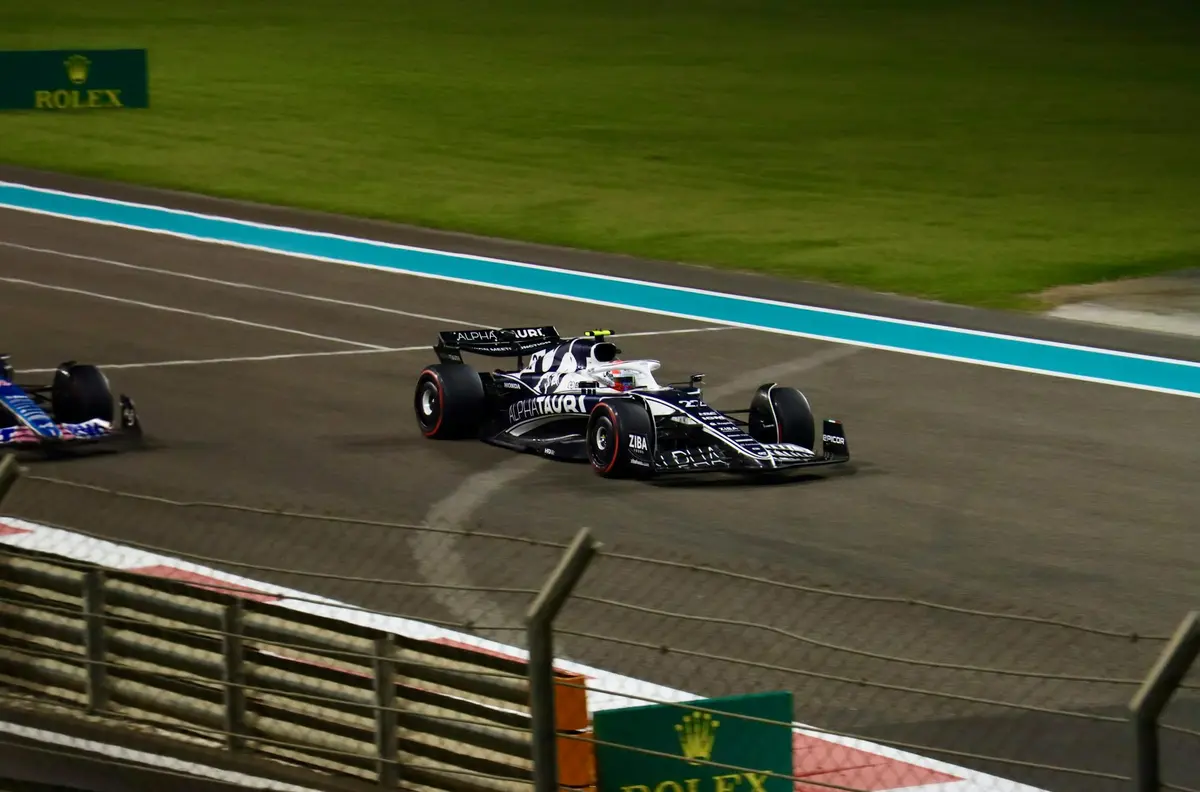
The Dawn of the F1 2026 Power Unit Era
As of Friday, March 27, 2026, the Formula 1 landscape has been irrevocably altered. The introduction of the new technical regulations has shifted the focus from pure aerodynamic efficiency to the complex management of the F1 2026 Power Unit. This new era, characterized by a 50/50 split between internal combustion and electrical power, has presented the grid with its greatest engineering challenge in a decade. According to a recent analysis by F1Technical’s senior writer Balazs Szabo, the early stages of this season have been defined not just by outright pace, but by the fragile reliability of these sophisticated machines. For teams like Ferrari, Mercedes, and the newly entered Audi, the race is no longer just against the stopwatch, but against the thermal limits of their own hardware.
Detailed Analysis: Reliability in the Spotlight
The F1 2026 Power Unit is a marvel of modern engineering, yet its complexity is its greatest vulnerability. The removal of the MGU-H (Motor Generator Unit - Heat) was intended to simplify the units and attract new manufacturers like Audi and Cadillac, but the increased reliance on the MGU-K (Motor Generator Unit - Kinetic) has created new headaches. The MGU-K now produces nearly 350kW of power, a massive jump from the previous 120kW. This surge in electrical output requires a significantly larger battery and more robust cooling solutions.
Early data suggests that thermal management is the primary cause of concern. Manufacturers are struggling to keep the Energy Store (ES) within optimal temperature windows during high-deployment phases. We are seeing a trend where teams must choose between aggressive engine mapping and long-term component survival. For instance, the Manual Override—a driver-activated energy boost designed to facilitate overtaking by providing extra deployment at high speeds—puts immense strain on the electrical architecture. If a driver like Max Verstappen or Lewis Hamilton uses this feature too frequently in a single stint, the risk of an ERS (Energy Recovery System) shutdown increases exponentially.
Furthermore, the shift to 100% sustainable fuels has required a total redesign of the Internal Combustion Engine (ICE) combustion chambers. The stoichiometry of these new fuels is different, leading to varied pressure spikes within the cylinders. This has already led to several "preventative" component changes across the grid as engineers look to avoid catastrophic failures during the heat of a Grand Prix Sunday.
Context: The 2026 Championship Narrative
The reliability of the F1 2026 Power Unit is already dictating the strategic playbooks of the top teams. In previous years, a driver could expect to finish the majority of the season on three power units. In 2026, the consensus among the paddock is that grid penalties for exceeding component quotas are not a matter of 'if,' but 'when.' This creates a fascinating dynamic for the championship contenders. Lando Norris and Oscar Piastri at McLaren, powered by Mercedes, are benefiting from the German manufacturer's decades of hybrid experience, yet even they are not immune to the teething issues of the new 350kW electrical systems.
For Audi, led by Jonathan Wheatley, the challenge is even steeper. Entering the sport during a major regulation change is a double-edged sword. While they start on a clean sheet of paper alongside incumbents like Ferrari and Red Bull Ford Powertrains, they lack the historical data on how these units behave over a full race distance in turbulent air. The integration of Active Aero—a system of movable front and rear wings that adjust to reduce drag on straights and increase downforce in corners—also plays a role here. The power unit must work in perfect harmony with the aero maps to ensure the car doesn't 'clip' (run out of electrical energy) before the end of a long straight.
Key Takeaways from the Early Reliability Reports
Electrical Dominance: The 350kW MGU-K is the heart of the 2026 car, but its cooling requirements are causing significant packaging and reliability trade-offs.
Sustainable Fuel Impact: The transition to 100% carbon-neutral fuels has forced a rethink of ICE durability, with early season data showing higher-than-expected internal wear.
Strategic Penalties: Teams are already factoring in tactical engine changes, prioritizing reliability at high-load circuits to avoid DNFs.
The Newcomers: Audi and Cadillac face a steep learning curve in managing the energy deployment cycles compared to legacy manufacturers like Ferrari and Mercedes.
Frequently Asked Questions
How does the F1 2026 Power Unit differ from previous generations?
The 2026 unit removes the MGU-H and significantly increases the electrical power from the MGU-K to 350kW. It also runs on 100% sustainable fuels, making it more environmentally friendly but technically more challenging to manage in terms of reliability.
What is the 'Manual Override' mode in the 2026 regulations?
The Manual Override is a new electronic feature that allows drivers to access additional electrical energy at high speeds to aid in overtaking, similar to a 'push-to-pass' system, but it places high stress on the battery's thermal capacity.
Why is reliability such a major concern for the 2026 season?
With entirely new power unit architectures and the removal of the MGU-H, manufacturers are navigating uncharted territory. The increased electrical load and new fuel compositions create high risks for component failure during the early development cycle.
Conclusion: The Long Road Ahead
As we move further into this inaugural season of the new regulations, the F1 2026 Power Unit will remain the focal point of every technical discussion. The teams that can master the balance between the 535bhp ICE and the 470bhp electrical system will be the ones standing on the podium. However, as Balazs Szabo’s analysis highlights, speed is useless without the reliability to reach the checkered flag. With the championship battle between the likes of Charles Leclerc, George Russell, and Max Verstappen looking closer than ever, a single MGU-K failure could be the difference between glory and heartbreak. The engineering war is just beginning.