Piastri Japanese GP Second as Antonelli Safety Car Pass
Oscar Piastri finished second in the Japanese GP after a safety car allowed Antonelli to take a cheap pit stop and pass the McLaren driver.
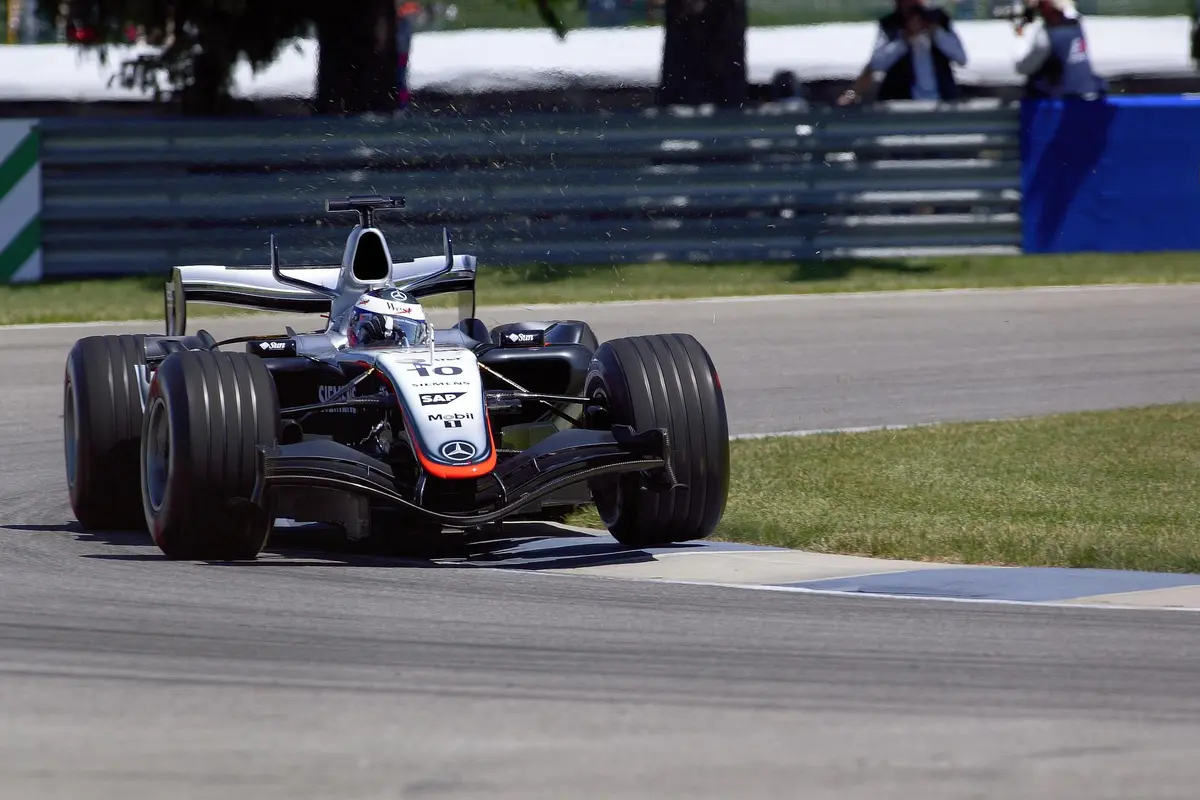
McLaren's Piastri Denied Japanese GP Victory by Safety Car Tactics
Oscar Piastri crossed the line in second place at the Japanese Grand Prix, handing McLaren a podium finish but ultimately leaving the team frustrated after a pivotal safety car intervention handed Andrea Kimi Antonelli a cost-free pit stop opportunity that vaulted the young Mercedes driver ahead of the Australian. The result is a bittersweet outcome for McLaren — points scored, yes, but a race win that was very much within reach slipped away through circumstances largely outside the team's direct control. For Piastri, it underlines a cruel reality of modern Formula 1: strategy, not just pace, dictates results.
Detailed Analysis: How the Safety Car Undid McLaren's Race
The Safety Car Window That Changed Everything
In Formula 1, a safety car period is one of the most powerful strategic tools available — not because of what happens on track during the neutralisation, but because of what teams do in the pit lane. When a safety car is deployed, the field bunches up, effectively eliminating the time loss of a pit stop. This is what analysts call a "free stop" or a "cheap pit stop" — a pit stop whose cost in track position is dramatically reduced or entirely negated because the field is compressed behind the safety car.
Antonelli and the Mercedes garage capitalised on exactly this opportunity during the Japanese Grand Prix. By pitting under the safety car, Antonelli was able to take on fresh tyres at minimal cost in terms of race position — and with the pace advantage of new rubber over Piastri's older set, the overtake became a formality once racing resumed. This is textbook safety car strategy, and Mercedes executed it with clinical precision.
McLaren, by contrast, either chose not to pit Piastri or were unable to react quickly enough to cover the undercut threat. In the modern 2026 regulatory era — where active aerodynamics (systems that mechanically alter downforce levels in real time, improving both straight-line speed and cornering efficiency) play a significant role in tyre management — the delta between a fresh and used set of tyres is arguably more pronounced than in previous seasons. That makes the consequence of being "out-strategied" at a safety car even more severe.
Piastri's Pace vs. Antonelli's Opportunism
It is important to note that Piastri's second place finish is not a reflection of poor raw speed. The McLaren MCL39 has shown considerable competitiveness throughout the 2026 season, and Piastri himself has been one of the sharpest performers on the grid. The loss to Antonelli was not a matter of Piastri being outdriven — it was a matter of McLaren being outmanoeuvred strategically. That distinction matters enormously for understanding where the team sits in the 2026 championship battle.
Context: McLaren's 2026 Season Narrative
McLaren enter the 2026 season as genuine championship contenders, with both Lando Norris and Oscar Piastri capable of challenging for race wins on any given weekend. The Piastri Japanese GP second place result maintains McLaren's scoring momentum, but it also exposes a vulnerability: the team must sharpen its reactive strategy under safety car conditions if it wants to consistently convert front-running pace into victories.
The rise of Andrea Kimi Antonelli at Mercedes is also a subplot worth watching. The young Italian has adapted quickly to the demands of a full F1 campaign, and his ability to capitalise on the Piastri Japanese GP safety car window suggests a maturity well beyond his experience level. For McLaren, Antonelli will increasingly be a threat, not just the traditional rivals at Ferrari and Red Bull.
The championship picture in 2026 is tightly contested, and results like this — where a potential victory becomes a second place — can prove decisive come the season's end. Every point squandered matters, and McLaren's strategists will be reviewing this race in detail.
Key Takeaways
- Oscar Piastri finished second in the Japanese Grand Prix after being passed by Antonelli following a safety car-assisted cheap pit stop.
- McLaren's defeat was strategic, not a reflection of the car's underlying pace — a critical distinction for the team's championship confidence.
- Andrea Kimi Antonelli's opportunistic overtake demonstrates Mercedes' growing strategic sharpness and Antonelli's rapid development as a race driver.
- Safety car management remains one of the most decisive elements in modern F1, and McLaren must improve its reactive decision-making to convert pace into wins.
Frequently Asked Questions
Why did McLaren lose the Japanese Grand Prix lead despite Piastri's strong pace?
McLaren lost the race lead not due to a lack of pace but because Mercedes strategically pitted Antonelli under the safety car, giving him fresh tyres at minimal cost to track position. Once racing resumed, Antonelli's tyre advantage allowed him to pass Piastri cleanly.
How does the 2026 safety car strategy affect McLaren's championship chances?
Every race win converted into a second place represents a seven-point swing in the championship standings. Over a full season, repeated failures to maximise results under safety car conditions could prove decisive in the title fight. McLaren will need to tighten its strategic responses to remain in championship contention.
What does Oscar Piastri's Japanese GP result mean for McLaren's season momentum?
While second place keeps McLaren scoring heavily, the manner of the result — a likely victory lost to superior Mercedes strategy — highlights that raw pace alone is insufficient. McLaren must match its on-track performance with pit wall precision to truly challenge for the 2026 Constructors' and Drivers' championships.
Conclusion: McLaren Must Sharpen Strategy to Convert Pace
Oscar Piastri's second-place finish in the Japanese Grand Prix is a reminder that in Formula 1, strategy and pace are inseparable. McLaren clearly possess the car speed to win races in 2026, and Piastri is delivering the performances to match. But the safety car incident that gifted Antonelli a cheap pit stop and ultimately the race victory is a lesson the team cannot afford to repeat. With the championship battle intensifying, McLaren must ensure that next time the safety car is deployed, it is their driver who benefits — not their rivals.