Haas Japanese GP: Ocon Points, Bearman's Crash
Haas endured a dramatic Japanese GP as Ocon scored his first 2026 point while Bearman survived a violent high-speed crash linked to the new regulations.
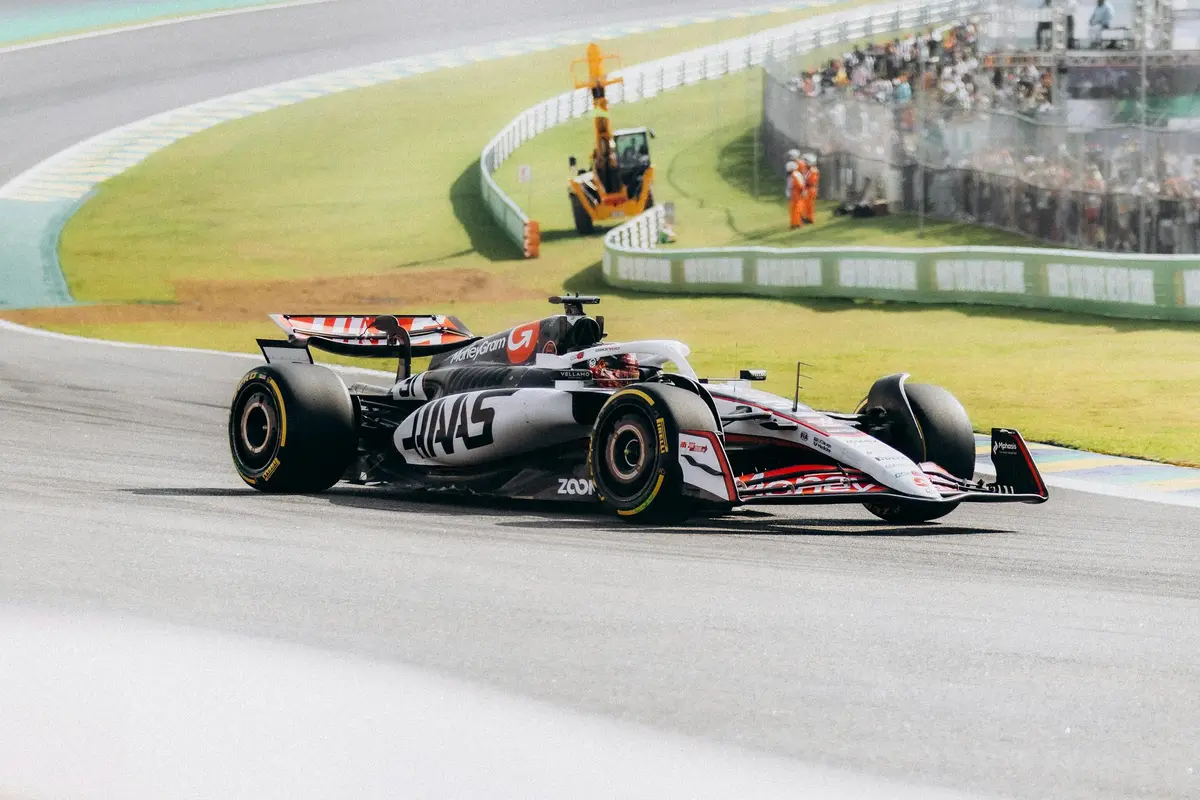
Haas Japanese GP Delivers Drama and Reward in Equal Measure
The Haas Japanese GP will be remembered as one of the most emotionally complex weekends of the 2026 Formula 1 season. TGR Haas endured a turbulent but ultimately rewarding Japanese Grand Prix, marked by contrasting fortunes for its two drivers. Esteban Ocon secured his first championship point of the season, providing the team with a much-needed morale boost, while Oliver Bearman was involved in a frightening high-speed crash that immediately raised serious questions about the unique aerodynamic and performance characteristics of the 2026 technical regulations. It was, in the truest sense, a weekend of two halves for the American-owned, Ferrari-powered outfit.
Detailed Analysis: Ocon's Points and the Significance of Bearman's Incident
Ocon Finally Opens His 2026 Account
For Esteban Ocon, the Haas Japanese GP represented a breakthrough moment in what had evidently been a frustrating start to his 2026 campaign. Arriving at the race without a single championship point to his name, the French driver delivered a performance that finally translated pace into reward. Scoring points in Formula 1 is never trivial — every single position in the points pays dividends not just in the Drivers' Championship, but crucially in the Constructors' Championship, where every point can mean millions of dollars in prize money and commercial leverage. For a team like TGR Haas, which operates on a comparatively tighter budget than the front-running outfits, this single point carries disproportionate strategic weight as the 2026 season develops.
Ocon's ability to bring the car home in the points, particularly at a circuit as demanding and unforgiving as the Japanese Grand Prix venue, speaks to his racecraft and experience. The 2026 regulations have introduced a fundamentally different type of car — one that demands a highly nuanced understanding of power deployment, energy recovery, and the new Active Aero systems (aerodynamic surfaces that adjust dynamically under driver or software control to optimise drag and downforce simultaneously). Extracting maximum performance while managing these layered complexities during a race stint is no small feat, and Ocon's result suggests he is growing into both the car and the regulatory framework.
Bearman's High-Speed Crash: A Regulatory Warning Sign
The far more alarming subplot of the Haas Japanese GP was Oliver Bearman's violent high-speed crash. According to the source reporting, the incident was caused by an enormous closing speed — a phrase that carries specific and chilling technical implications in the context of 2026's regulations. The 2026 ruleset has introduced significantly altered power unit architecture, with a more powerful electrical deployment system balanced against revised aerodynamic philosophies. This combination can, under specific conditions, produce dramatic differentials in speed between cars, particularly in braking zones or on straights where one driver may be deploying full electrical boost while another has exhausted their allocation.
Closing speed incidents are among the most dangerous in motorsport. When a faster car approaches a slower one at a rate that exceeds the reaction window of the trailing driver, the consequences can be catastrophic. That Bearman walked away from what was described as a frightening incident is, firstly, a testament to the extraordinary passive safety standards of modern Formula 1 machinery — the survival cell, HALO device, and energy-absorbing structures all functioning as designed. However, the fact that this incident was attributed specifically to the closing speeds enabled by the 2026 regulations is a flag that the FIA and the teams' technical working groups will almost certainly need to examine. Comparable incidents could recur if the speed differential dynamics are not better managed through regulation or race director guidance.
Context: How This Fits the 2026 Season Narrative
The Haas Japanese GP result does not exist in isolation — it is a data point in a broader, evolving story about how the 2026 regulations are reshaping the competitive order and, critically, the risk profile of Formula 1 racing. The 2026 rules were conceived to bring the field closer together, to make power unit performance more equitable, and to produce more overtaking through revised aerodynamic and energy deployment frameworks. In many respects, these are laudable goals. But as teams continue to unlock performance from their packages, the unintended consequence of extreme closing speed differentials is becoming an increasingly visible talking point in the paddock.
For TGR Haas specifically, this weekend encapsulates the team's 2026 journey so far: flashes of genuine competitive potential disrupted by incidents that reflect both the volatility of the new era and the growing pains of a midfield team adapting to radical change. With Ocon now on the board and Bearman's pace presumably still intact once his recovery from the crash is confirmed, the team has a foundation to build upon.
Key Takeaways from the Haas Japanese GP
- First Points of 2026 for Ocon: Esteban Ocon scored his first championship point of the season at the Japanese Grand Prix, providing TGR Haas with a vital Constructors' Championship contribution.
- Bearman's Crash Highlights Regulatory Risk: Oliver Bearman's violent high-speed incident was attributed to the enormous closing speeds enabled by the 2026 regulations, raising important safety questions for the FIA and teams.
- 2026 Regulations Under Scrutiny: The closing speed dynamics created by the new power unit and aerodynamic rules are emerging as a genuine safety concern that the sport's governing bodies may need to address proactively.
- Haas Shows Resilience: Despite a dramatic weekend, TGR Haas demonstrated the resilience and racecraft needed to extract results from a complex and demanding new regulatory environment.
Frequently Asked Questions
Why did Esteban Ocon not score points before the Haas Japanese GP in 2026?
Based on the source reporting, Ocon arrived at the Japanese Grand Prix without a single championship point in the 2026 season. The specific reasons for his earlier pointless rounds are not detailed in the source, but his Japanese GP result marks a turning point in his season with TGR Haas.
How serious was Oliver Bearman's crash at the Haas Japanese GP?
Bearman's crash was described as frightening and violent, occurring at high speed as a direct consequence of an enormous closing speed differential — a characteristic linked to the 2026 Formula 1 technical regulations. While the exact extent of his condition post-crash is not confirmed in the source, the incident was severe enough to be highlighted as a major talking point regarding the safety implications of the current ruleset.
What does the Haas Japanese GP result mean for their 2026 Constructors' Championship campaign?
Every point scored in the Constructors' Championship has real financial and sporting implications. Ocon's first point of the 2026 season at the Japanese GP gives TGR Haas a foothold on the scoring board, which is essential for mid-season resource allocation, prize fund calculations, and building team momentum as the year progresses.
Conclusion: Haas Looks Ahead After a Defining Weekend
The Haas Japanese GP was a microcosm of everything that makes the 2026 Formula 1 season so compelling and so unpredictable. A hard-earned championship point for Ocon, a terrifying reminder of the sport's inherent dangers through Bearman's crash, and a broader conversation about whether the current regulations are creating closing speed dynamics that need urgent review. As TGR Haas moves to the next round of the 2026 calendar, both drivers and the entire technical team will be motivated to build on Sunday's positives while working closely with the FIA to ensure the safety concerns raised in Japan are addressed decisively and swiftly.
In this article