Lando Norris on Driver Influence Over F1 2026 Regulations
Lando Norris has cast doubt on drivers' ability to influence F1's new 2026 regulations, raising key questions about governance in the sport.
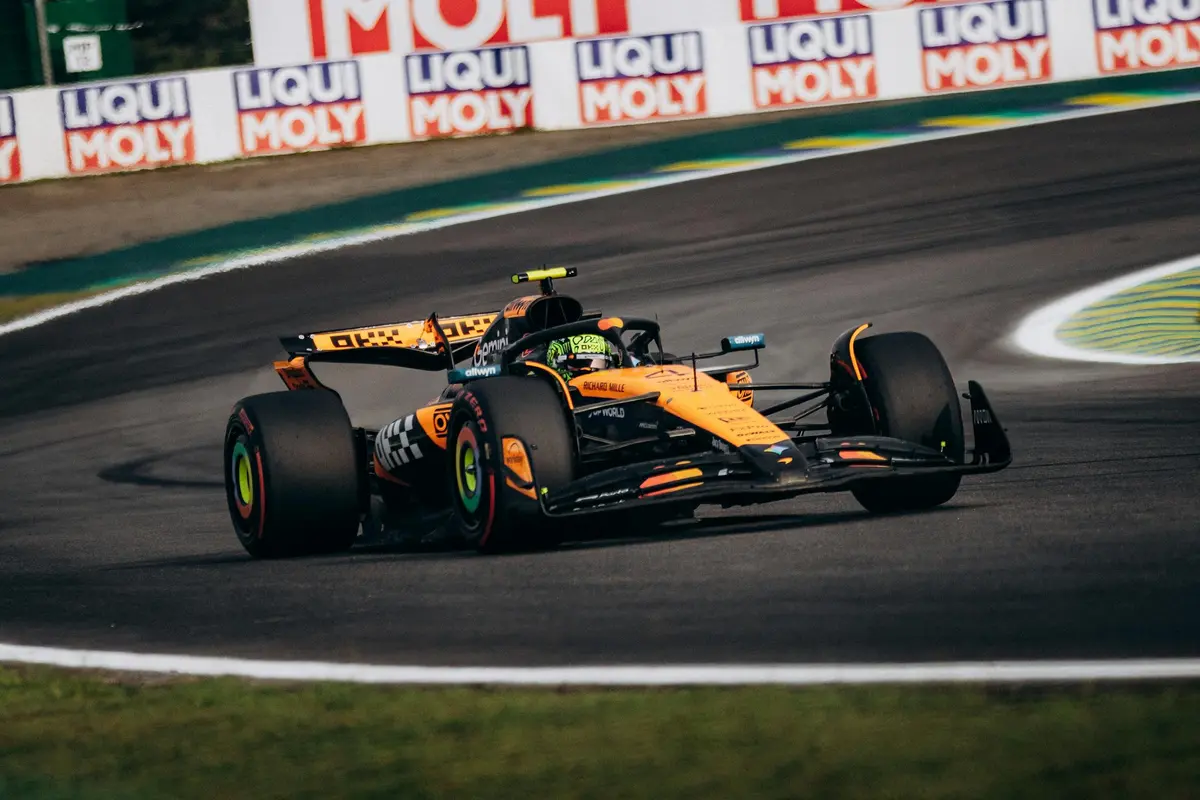
Lando Norris Casts Doubt on Driver Power Amid F1 2026 Regulations Discontent
As the 2026 Formula 1 season gets underway, a new and increasingly vocal undercurrent of discontent has begun to surface across the paddock — one directed squarely at the sport's sweeping regulatory overhaul. McLaren's Lando Norris has become one of the most prominent voices in this conversation, though perhaps not in the way many fans might expect. Rather than rallying for change, Norris has offered a strikingly pragmatic — and somewhat deflating — assessment: that drivers hold very little real sway over the direction Formula 1 chooses to take, regardless of how unified or forceful their opinions may be.
Detailed Analysis: What Norris Actually Said and Why It Matters
Norris's comments reflect a broader frustration that has been simmering since the 2026 technical regulations were formally locked in. The new rules represent one of the most dramatic resets in modern F1 history, introducing radical changes to aerodynamic philosophy, power unit architecture, and the much-debated active aerodynamics system — a mechanism where bodywork elements dynamically adjust their angle and configuration in real time to balance drag and downforce depending on circuit conditions and speed.
What makes the McLaren driver's remarks particularly striking is not simply that he is critical of the regulations, but rather the resigned tone with which he frames the drivers' collective powerlessness. In elite motorsport, drivers are the sport's primary ambassadors, its most marketable personalities, and its most visible participants. Yet when it comes to meaningful regulatory input, Norris appears to suggest that the gap between a driver's public profile and their actual institutional influence is vast.
This is a nuanced and important distinction. The FIA and Formula 1 Management have long engaged with the Grand Prix Drivers' Association (GPDA) as a consultative body, but the decision-making authority ultimately rests with the governing bodies and the teams' technical representatives. Norris's frank acknowledgment of this dynamic is refreshing — and revealing. It points to a structural reality that fans and media often overlook: drivers are employees of private teams operating within a framework they did not design and cannot easily unwind.
For McLaren specifically, this creates an interesting internal dynamic. As a team, McLaren has been among the more competitive constructors in recent seasons and has significant vested interests in how the 2026 regulations play out. Lando Norris and teammate Oscar Piastri are both in the prime of their careers, and the regulations governing car design, power deployment, and the new boost button — a driver-activated system allowing brief bursts of additional electrical power — will fundamentally shape their championship prospects for years to come.
Context: The 2026 Regulations and the Wider Paddock Mood
The sentiment Norris is expressing is not isolated to McLaren. Across the paddock, drivers from multiple teams have voiced varying degrees of unease about aspects of the 2026 technical framework. The transition to a new hybrid power unit formula, combined with the introduction of active aerodynamics, has produced cars with a very different feel and behavior compared to previous generations. Adapting to these systems takes time, and early-season feedback from drivers has been mixed.
What gives Norris's comments additional weight is the context in which they arrive — early in a brand new regulatory era, when the sport's stakeholders are still in the process of understanding what the 2026 rules truly produce at race speed. If discontent is already this visible at this stage of the season, the pressure on the FIA and Formula 1 Management to at least acknowledge driver feedback — even if they cannot act on it swiftly — will only grow.
The 2026 regulations were designed with sustainability, closer racing, and cost efficiency in mind. Whether they achieve those goals remains to be seen over the course of the season, but Norris's dim view on driver influence is a clear signal that the lines of communication between the sport's rule-makers and its most prominent participants need strengthening.
Key Takeaways
- Lando Norris has publicly expressed skepticism that F1 drivers can meaningfully influence or reverse the sport's new 2026 regulations, signaling a sense of institutional powerlessness.
- Driver influence in F1 governance is largely consultative through the GPDA, with binding authority resting with the FIA and Formula 1 Management — a gap Norris appears to be highlighting.
- McLaren's position is particularly interesting: as a top-tier constructor with championship ambitions for both Norris and Oscar Piastri, the team has enormous stakes in how the 2026 framework evolves.
- Wider paddock discontent with the 2026 regulations is growing, and Norris's comments may amplify calls for greater driver consultation in future rule-making processes.
Frequently Asked Questions
Why does Lando Norris believe drivers have little influence over F1 2026 regulations?
Norris's view stems from the structural reality of F1 governance: while drivers participate in the GPDA as a consultative body, the ultimate authority over the technical and sporting regulations belongs to the FIA and Formula 1 Management. Drivers can voice opinions, but they cannot compel rule changes — a limitation Norris appears to find frustrating given the scale of discontent with the 2026 rules.
How could the 2026 F1 regulations affect Lando Norris's championship campaign with McLaren?
The 2026 regulations introduce sweeping changes to aerodynamics and power units, including active aero systems and a new boost button mechanism. How well McLaren has interpreted and optimized these rules will directly determine Norris's competitiveness against rivals like Max Verstappen, Charles Leclerc, and George Russell throughout the season.
What has McLaren's Lando Norris said about the new F1 2026 regulations specifically?
According to reports, Norris has offered a dim view on the possibility that drivers can sway or influence a change in direction as discontent with the sport's new regulations continues to grow. His comments reflect a pragmatic but frustrated acceptance of the limits of driver power within F1's governance structure.
Conclusion: A Bigger Conversation Just Beginning
Lando Norris's candid assessment of driver influence over F1 2026 regulations opens a much larger conversation about how Formula 1 is governed and who truly holds power within the sport. For McLaren, the immediate priority will remain maximizing performance within the existing framework — Norris and Oscar Piastri must extract every advantage the new regulations offer, regardless of their reservations. But in the longer term, the discontent Norris is voicing may prove to be the catalyst for a more structured, meaningful dialogue between drivers and the sport's rule-makers. The 2026 season is still young, and this story is far from over.