Aston Martin Honda Rift Denied by Mike Krack in 2026
Aston Martin's Mike Krack firmly denies any rift with Honda, insisting the 2026 PU partnership remains solid amid circulating paddock speculation.
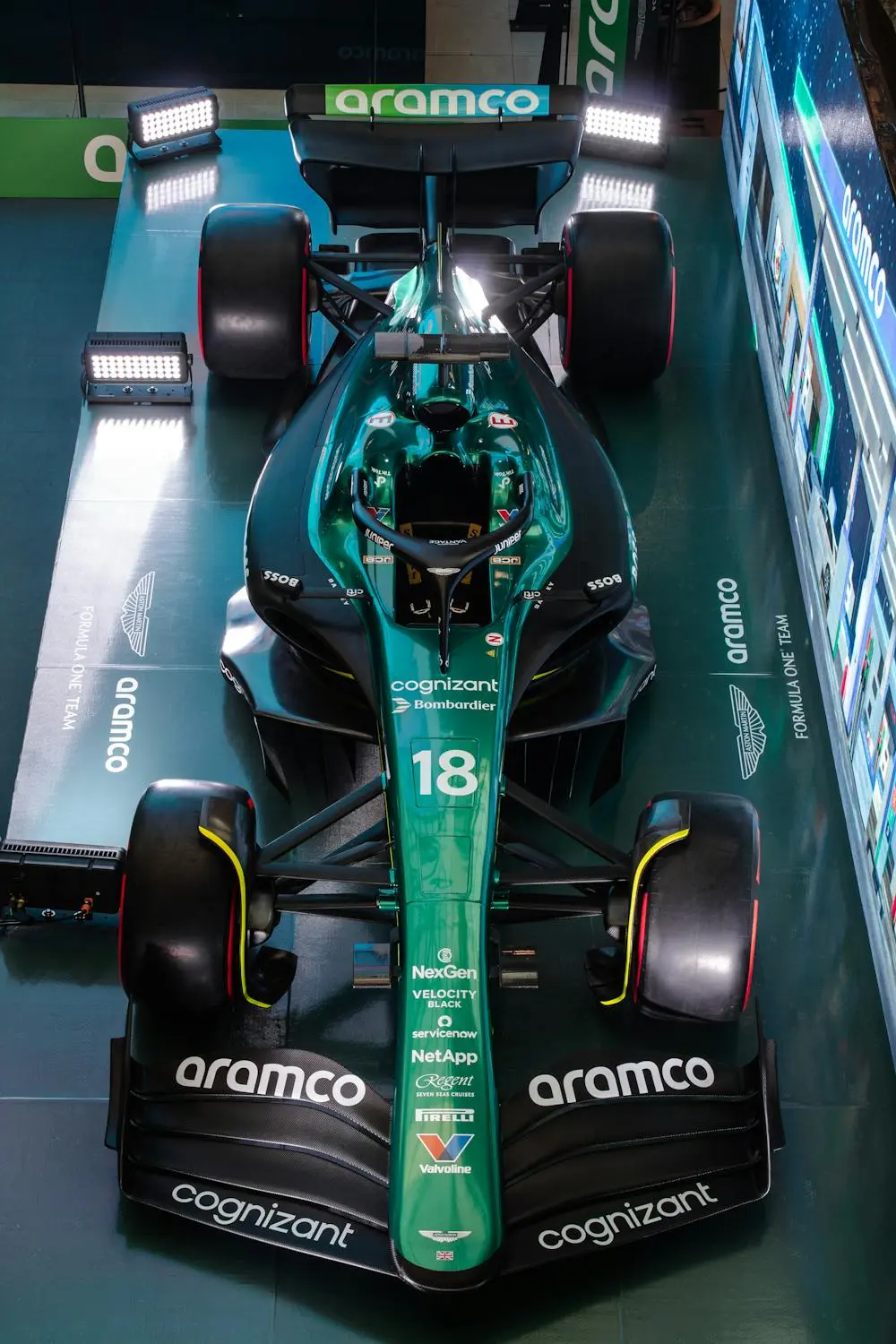
Aston Martin and Honda: No Rift, Says Chief Trackside Officer Mike Krack
In a statement that will resonate across the 2026 Formula 1 paddock, Aston Martin Chief Trackside Officer Mike Krack has firmly dismissed suggestions of a fractured relationship between the Silverstone-based constructor and its power unit supplier, Honda. The denial comes amid whispers circulating within F1 circles that the partnership — a cornerstone of Aston Martin's technical ambitions — had entered troubled waters. Krack's intervention is a clear attempt to neutralise any narrative that could destabilise the team at a critical juncture of the 2026 season, where every competitive edge and supplier relationship counts.
Detailed Analysis: What Krack's Denial Really Means
When a senior team figure of Mike Krack's stature steps forward to publicly address what he characterises as unfounded speculation, it is rarely a simple exercise in damage control. In the hyper-competitive environment of Formula 1, the relationship between a constructor and its power unit supplier is one of the most strategically sensitive partnerships in the sport. The Aston Martin Honda rift narrative, however it originated, had the potential to cast doubt over Aston Martin's technical direction precisely when stability is paramount.
Krack's use of language around not needing to 'make peace' is particularly telling. It implies that the suggestion of discord had escalated to a point where the team felt compelled to respond directly. In 2026, Formula 1 has introduced radically redesigned power units featuring a 50/50 split between internal combustion and electrical energy deployment — a regulation shift so seismic that the collaboration between chassis engineers and PU suppliers has never been more interdependent. Active Aero — the 2026 regulation concept allowing bodywork elements to dynamically adjust drag and downforce during a lap — also requires precise calibration with power delivery systems, meaning any breakdown in communication between Aston Martin and Honda could have measurable on-track consequences.
Furthermore, the 2026 power unit regulations have fundamentally altered the balance of power across the grid. Honda, as a returning manufacturer with significant resources and deep experience from its previous F1 tenure with Red Bull Racing, brings enormous technical credibility to the partnership. For Aston Martin, retaining full alignment with Honda is not merely a contractual matter — it is a performance imperative. If the Aston Martin Honda rift speculation had even a grain of truth, the implications for development bandwidth, data sharing, and trackside support would be profound.
Krack's public denial also serves a broader psychological function within the team. With drivers Fernando Alonso and Lance Stroll relying on the synergy between chassis and power unit to extract maximum lap time, internal confidence in the supply chain matters enormously. A unified front from Aston Martin's leadership reassures not only the drivers but also the broader workforce, sponsors, and investors who have backed the team's ambitious long-term project at their Silverstone campus.
Context: The 2026 Season Narrative for Aston Martin
Aston Martin entered 2026 with significant expectations after years of sustained investment under Lawrence Stroll's ownership. The team's Silverstone factory expansion, its recruitment of world-class engineers, and its continued alignment with Honda have all been framed as building blocks toward championship contention. In this context, any suggestion of a Aston Martin Honda rift is particularly damaging to the narrative the team has carefully constructed.
The 2026 regulations represent a genuine reset opportunity. Unlike previous regulation cycles where dominant teams often extended their advantages, the new PU framework and aerodynamic philosophy have introduced genuine uncertainty. Aston Martin, with their Honda partnership intact and their infrastructure investment bearing fruit, is well-positioned to capitalise — but only if the internal and external relationships supporting their programme remain cohesive. Krack's swift denial underlines that Aston Martin are acutely aware of how quickly perception can shape reality in Formula 1's intensely scrutinised environment.
Key Takeaways
- Mike Krack publicly dismissed suggestions of a rift between Aston Martin and Honda, stating the team has no need to 'make peace' with its power unit supplier.
- The Aston Martin Honda partnership is critical in 2026, where the new 50/50 ICE-electrical PU regulations make chassis-supplier alignment more important than ever.
- Krack's intervention appears designed to protect team morale, investor confidence, and public perception at a pivotal point in the season.
- Aston Martin's long-term ambitions are directly tied to the stability and productivity of their relationship with Honda, making any perception of discord a genuine competitive risk.
Frequently Asked Questions
What is the nature of the Aston Martin and Honda power unit partnership in 2026?
Aston Martin uses Honda as its exclusive power unit supplier in the 2026 Formula 1 season. Under the new regulations, power units feature a 50/50 split between internal combustion and electrical energy output, making the technical collaboration between Aston Martin's chassis engineers and Honda's PU specialists more critical than in previous seasons.
Why did Aston Martin's Mike Krack deny a rift with Honda?
Mike Krack, Aston Martin's Chief Trackside Officer, stepped forward to address circulating suggestions of discord between the team and Honda. His denial was aimed at reassuring stakeholders, maintaining team morale, and preventing any negative perception from affecting Aston Martin's competitive programme during the 2026 season.
How could a breakdown in the Aston Martin Honda relationship affect their 2026 season performance?
Given the complexity of the 2026 power unit regulations and the integration required between the PU and aerodynamic systems — including Active Aero, which dynamically adjusts downforce and drag — any disruption to communication and development collaboration between Aston Martin and Honda could directly impact lap time performance, development pace, and strategic decision-making across the season.
Conclusion: Stability as a Competitive Asset
In Formula 1, perception can be as damaging as reality. Mike Krack's clear and direct denial of any Aston Martin Honda rift is a calculated move to keep the team's internal and external narrative on track. As the 2026 season progresses, Aston Martin will need every advantage available — and that starts with the foundational strength of their partnership with Honda. Fernando Alonso and Lance Stroll will be hoping that the unity demonstrated off the track translates directly into performance gains on it. All eyes will remain on Aston Martin's development trajectory in the races ahead.
In this article