Mercedes Japanese GP: Russell and Antonelli Secure FP1 1-2
Mercedes dominates the opening day of the 2026 Japanese Grand Prix as Russell and Antonelli secure a 1-2 in FP1. Read our full technical analysis.
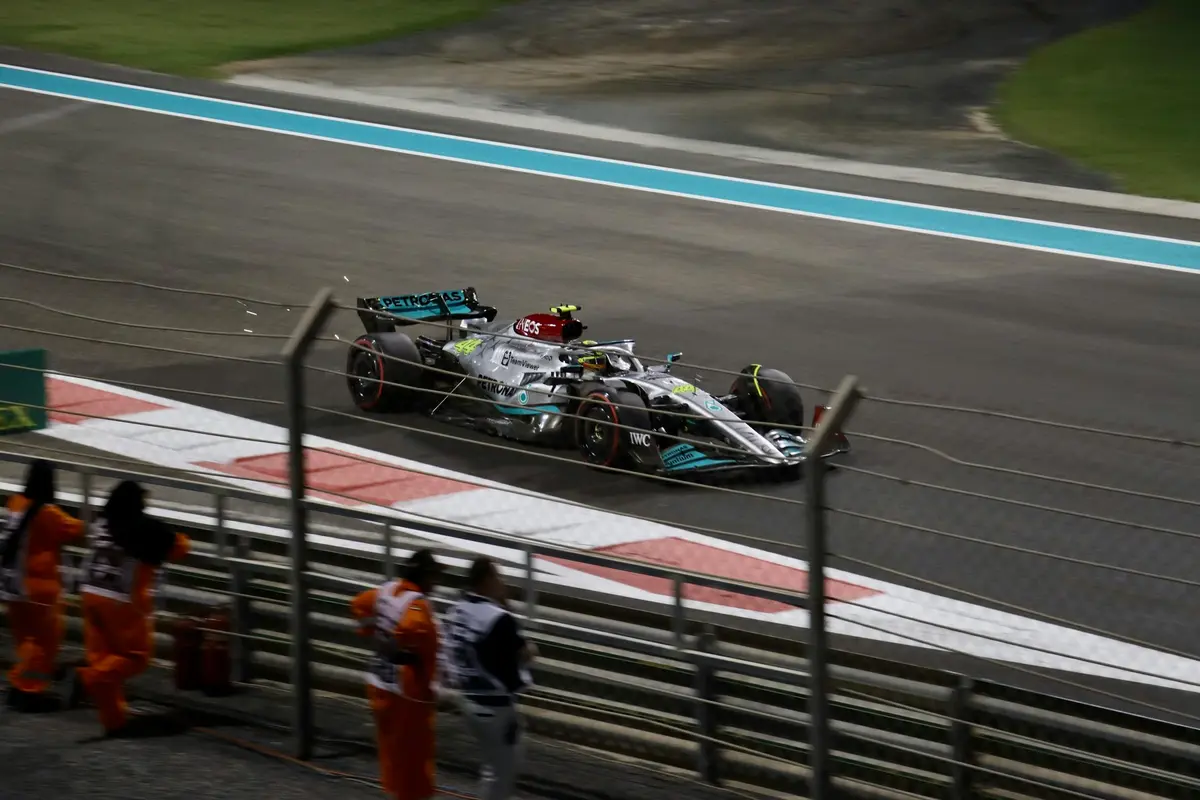
Mercedes Sets the Pace at Suzuka
The 2026 Formula 1 season continues to deliver technical intrigue as the paddock descends upon the iconic Suzuka International Racing Course. On Friday, March 27, 2026, the Mercedes Japanese GP campaign kicked off in spectacular fashion. George Russell and the sensational rookie Andrea Kimi Antonelli silenced the critics by locking out the top two positions in the opening practice session (FP1). This performance marks one of the most encouraging opening days for the Brackley-based squad since the introduction of the new 2026 technical regulations, signaling that the Silver Arrows may have finally unlocked the secrets of the W17 chassis.
While FP1 saw the Mercedes duo leading the timing sheets, the momentum carried through into the afternoon. In FP2, both drivers maintained a highly competitive pace, demonstrating that their morning speed was no fluke of track evolution or fuel loads. For a team that has been fighting to reclaim its spot at the pinnacle of the sport against the likes of Red Bull and Ferrari, this Friday performance at the Mercedes Japanese GP provides a vital data set for the engineers led by Toto Wolff.
Technical Analysis: Why the W17 Excelled at Suzuka
The 2026 regulations have placed a massive emphasis on the synergy between the internal combustion engine and the increased electrical output of the Power Unit. At a high-energy circuit like Suzuka, energy management is everything. Mercedes appears to have made significant strides in their ERS (Energy Recovery System) deployment strategies. Observers noted that Russell and Antonelli were particularly strong through the first sector's 'S' Curves, where chassis balance and Active Aero play a pivotal role.
Active Aero refers to the 2026 system where front and rear wings adjust their angles dynamically to balance drag reduction on straights with maximum downforce in corners.
Furthermore, the W17 showed remarkable stability under braking for the Casio Triangle, suggesting that their mechanical platform is well-suited to the undulating nature of the Japanese track. During the long-run simulations in FP2, the Mercedes drivers were able to maintain consistent lap times, a sign that their tire degradation levels are under control. This is particularly important given the high lateral loads Suzuka places on the Pirelli compounds. The team also seemed to be testing the limits of the Manual Override mode during their simulated qualifying runs.
Manual Override is a driver-triggered electrical boost designed to provide extra power for overtaking or defending, replacing the traditional DRS-only approach of previous eras.
The 2026 Narrative: A New Era for the Silver Arrows
The context of this Mercedes Japanese GP performance cannot be overstated. With Lewis Hamilton now wearing Ferrari red and Max Verstappen leading the charge for Red Bull alongside Isack Hadjar, Mercedes entered 2026 with a point to prove. George Russell has stepped into the role of the seasoned veteran, while Andrea Kimi Antonelli represents the future of the Silver Arrows. Seeing the rookie match Russell’s pace at a track as demanding as Suzuka suggests that the driver pairing is one of the most balanced on the 2026 grid.
The competitive landscape of 2026 has been defined by the battle for Power Unit supremacy. With Audi and Cadillac joining the fray, the pressure on Mercedes HPP (High Performance Powertrains) has been immense. Today's results suggest that the Mercedes PU is not only reliable but possesses the peak performance required to challenge for pole position. If they can translate this Friday form into Saturday's qualifying session, we could be looking at a significant shift in the championship standings.
Key Takeaways from Friday Practice
- FP1 Dominance: George Russell and Kimi Antonelli secured a 1-2 finish, showcasing the W17's raw qualifying trim potential.
- FP2 Consistency: The team maintained competitive long-run pace, indicating a strong race setup for Sunday.
- Technical Synergy: The integration of Active Aero and the 2026 Power Unit seems more refined on the Mercedes than its immediate rivals at Suzuka.
- Rookie Watch: Kimi Antonelli continues to impress, handling the high-speed pressures of the Japanese circuit with veteran-like composure.
Frequently Asked Questions
How has Kimi Antonelli adapted to the Mercedes F1 seat in 2026?
Andrea Kimi Antonelli has shown remarkable maturity, quickly mastering the complex 2026 energy management systems. His FP1 performance at the Japanese Grand Prix, where he finished second only to teammate George Russell, highlights his rapid progression and comfort within the Mercedes W17.
What technical upgrades did Mercedes bring to the Japanese Grand Prix?
While the team has not disclosed a full upgrade package, technical observers noted revisions to the floor edge and the Active Aero actuators. These changes appear aimed at improving high-speed stability, which is crucial for the sweeping corners of the Suzuka circuit.
Is Mercedes a genuine contender for the win at the 2026 Japanese Grand Prix?
Based on the FP1 and FP2 data, Mercedes is firmly in the fight. Their ability to lock out the top two spots in the first session and maintain pace in the second suggests they have a car capable of challenging Red Bull and Ferrari for the top step of the podium.
Conclusion: Looking Ahead to Qualifying
As the sun sets over Suzuka on this Friday, March 27, the mood in the Mercedes garage is one of cautious optimism. Leading a session is one thing, but maintaining that advantage when Red Bull and Ferrari turn up their power units for qualifying is another challenge entirely. However, the Mercedes Japanese GP weekend has started on the best possible note. With George Russell finding his rhythm and Kimi Antonelli proving he belongs at the front of the pack, the Silver Arrows are poised for a blockbuster weekend. All eyes now turn to Saturday's final practice and the high-stakes qualifying session that will determine the grid for Sunday’s race.