Mercedes Japanese GP: Russell and Antonelli Lead FP1
George Russell and Kimi Antonelli secure a dominant 1-2 for Mercedes in FP1 at the 2026 Japanese Grand Prix, outpacing McLaren's Lando Norris.
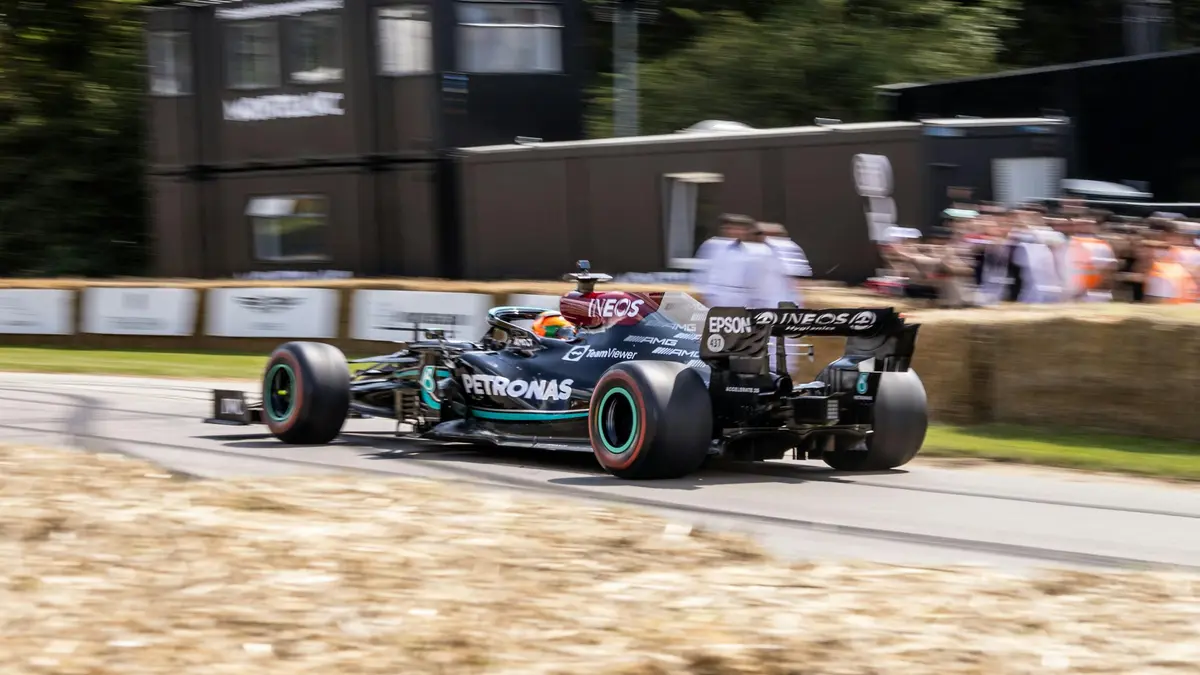
Mercedes Dominates Opening Session at Suzuka
The 2026 Formula 1 season continues to deliver technical intrigue as the paddock descends upon the iconic Suzuka International Racing Course. In the opening session of the Mercedes Japanese GP weekend, the Silver Arrows made a resounding statement of intent. George Russell led his rookie teammate, Andrea Kimi Antonelli, to a commanding one-two finish in First Practice (FP1), signaling that the Brackley-based squad has unlocked a significant performance window within the new 2026 regulatory framework.
Under the bright Friday morning sun on March 27, 2026, Russell clocked a blistering pace that left the rest of the field searching for answers. While FP1 times are often taken with a grain of salt due to varying fuel loads and engine modes, the visual stability of the Mercedes W17 through the high-speed Esses was undeniable. Lando Norris, piloting the McLaren, managed to slot into third, but the gap to the leading Mercedes pair suggests that the Silver Arrows have found a superior aerodynamic balance for the unique demands of the Japanese circuit.
Technical Analysis: Active Aero and Power Deployment
The 2026 technical regulations have introduced a paradigm shift in how cars interact with the air and manage energy. A critical component of this year's performance is Active Aero, a system that allows for the adjustment of front and rear wing angles in real-time to minimize drag on straights and maximize downforce in corners. During the Mercedes Japanese GP FP1 session, Russell appeared to have a seamless transition between these modes, particularly through the run from Spoon Curve to 130R.
Furthermore, the 2026 Power Units, which now feature a 50/50 split between internal combustion and electrical power, require precise energy management. Mercedes seems to have mastered the Manual Override—a driver-controlled boost of electrical energy available at high speeds—to optimize their lap times. Antonelli, despite his rookie status, showed remarkable maturity in managing these complex systems, finishing just a few tenths behind his more experienced teammate. The Manual Override is essentially a tactical power surge that drivers can trigger once they reach a certain speed threshold, provided they have recovered enough energy under braking.
McLaren’s Lando Norris remained the closest challenger, but the MCL41 appeared to struggle slightly with mid-corner rotation in the Degner curves compared to the Mercedes. With the 2026 cars being shorter and narrower than their predecessors, mechanical grip has become more vital, and the Mercedes suspension geometry seems perfectly tuned for the undulating Suzuka tarmac.
The 2026 Narrative: A New Era for Mercedes
This 1-2 finish in FP1 is more than just a fast start; it is a validation of the Mercedes development path. After the transition to the 2026 regulations, which emphasized sustainable fuels and increased electrical output, there were questions about which manufacturer would emerge as the new benchmark. Early indications from this Mercedes Japanese GP weekend suggest that the Brixworth engine department has once again produced a class-leading power unit.
The dynamic between George Russell and Kimi Antonelli is also a focal point of the season. Russell has stepped into the clear leadership role following Lewis Hamilton’s move to Ferrari, while Antonelli is under immense pressure to prove he belongs in the seat vacated by a seven-time champion. To see both drivers at the top of the timing screens at a driver's track like Suzuka speaks volumes about the car's driveability and the team's preparation under Toto Wolff’s guidance.
Key Takeaways from FP1
- Mercedes Supremacy: George Russell and Kimi Antonelli secured a dominant 1-2, showing superior pace in both high-speed sectors and technical complexes.
- McLaren in Pursuit: Lando Norris remains the primary threat to Mercedes, though he currently lacks the ultimate sector-three pace seen from the Silver Arrows.
- Technical Mastery: Mercedes appears to have a sophisticated calibration for the 2026 Active Aero systems, allowing for better top-end speed without sacrificing cornering stability.
- Rookie Watch: Kimi Antonelli’s performance at one of the world's most difficult tracks suggests he has quickly adapted to the 2026 energy recovery requirements.
Frequently Asked Questions
How has Mercedes F1 adapted to the 2026 power unit regulations?
Mercedes F1 has focused heavily on the integration of the 50/50 power split between the ICE and the ERS. Their 2026 unit is noted for its efficient energy harvesting and the strategic deployment of the Manual Override boost, which was evident during their FP1 dominance at the Japanese Grand Prix.
What role does George Russell play in the 2026 Mercedes driver lineup?
George Russell has transitioned into the senior driver role at Mercedes for the 2026 season. His experience is vital for calibrating the new Active Aero systems and mentoring his rookie teammate, Kimi Antonelli, as the team seeks to reclaim the Constructors' Championship.
Conclusion: Looking Ahead to Qualifying
While Mercedes can celebrate a perfect start to the Mercedes Japanese GP, the work is far from over. FP1 provides the baseline, but as track temperatures shift and the surface rubbers in, the competitive order can fluctuate. McLaren and Lando Norris are within striking distance, and one cannot discount the strategic depth of Ferrari or Red Bull as they refine their setups for FP2 and beyond. However, for now, the Silver Arrows are the team to beat at Suzuka. If Russell and Antonelli can maintain this form into Saturday, we may be looking at a front-row lockout for the Silver Arrows.