Mercedes Front-Wing Mechanism Sparks 2026 Paddock Rumblings
Mercedes F1 faces FIA scrutiny over a revolutionary two-phase front-wing mechanism that could redefine the 2026 technical landscape.
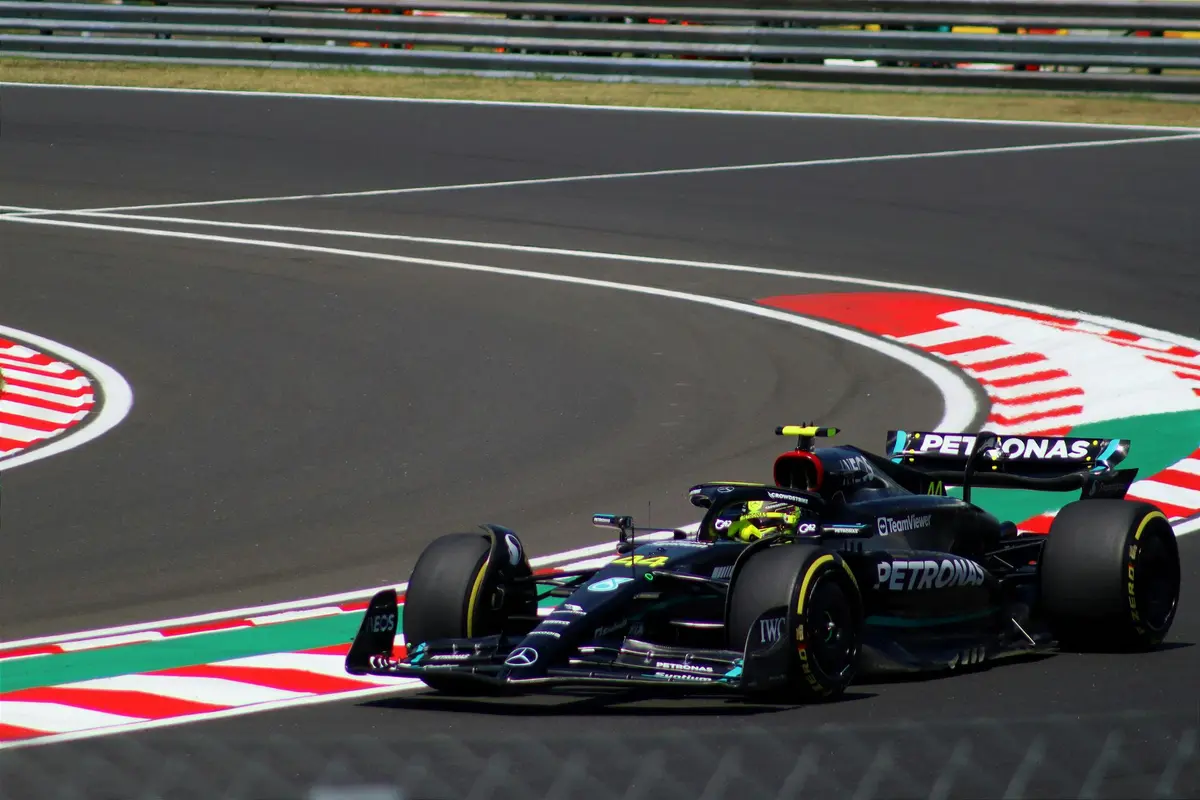
The Technical Storm: Mercedes Front-Wing Mechanism Under Scrutiny
As the 2026 Formula 1 season enters its opening stages, the technical battleground has shifted from the wind tunnels of Brackley to the scrutiny of the FIA technical delegates. Today, Wednesday, March 25, 2026, the paddock is abuzz with reports regarding a sophisticated Mercedes front-wing mechanism that may be pushing the boundaries of the newly established active-aerodynamics regulations. While the 2026 era was designed to level the playing field with standardized active aero logic, Mercedes appears to have found a grey area in the transition between high-downforce and low-drag configurations. This development comes at a critical time as George Russell and Andrea Kimi Antonelli look to assert Mercedes' dominance in this new hybrid era.
Engineering the Edge: Two-Phase Closure Explained
The core of the controversy surrounds what insiders are calling a "two-phase closure mechanism." In the 2026 regulatory framework, cars utilize Active Aero—a system that allows the front and rear wings to change angles to balance the car in different modes. Specifically, cars switch between 'Z-mode' for maximum downforce in corners and 'X-mode' for minimum drag on the straights. However, the Mercedes front-wing mechanism reportedly operates with an intermediate stage. This two-phase approach suggests that the wing does not simply flip between two states but manages a secondary aerodynamic stall point that could optimize the car's balance during the high-speed transition phases.
Technical analysts suggest that by utilizing a two-phase closure, Mercedes might be achieving a more stable aerodynamic platform during the activation of the Manual Override—the 2026 power boost system that replaced traditional DRS. If the front wing can shed drag in a staggered manner, it would allow the W17 to maintain front-end bite longer into a corner entry while still benefiting from the top-speed gains of a low-drag setup. The FIA's concern lies in whether this mechanism is triggered by driver input or if it relies on aero-elasticity (the flexing of parts under load), which is strictly monitored to prevent "moving aerodynamics" outside of the mandated active systems.
To understand the complexity, one must look at the Boost Button dynamics of 2026. With the increased reliance on electrical energy, any aerodynamic efficiency gain is magnified. If the Mercedes front-wing mechanism allows Russell or Antonelli to deploy their energy more effectively by reducing the drag penalty earlier than their rivals, the lap time gains could be worth tenths of a second—a lifetime in a season where the grid has been compressed by the new rules.
The 2026 Narrative: Mercedes in the New Era
The 2026 season has already proven to be a tactical minefield. With Lewis Hamilton now wearing Ferrari red alongside Charles Leclerc, and Max Verstappen leading a revamped Red Bull squad with Isack Hadjar, Mercedes has pivoted toward a future-focused lineup. George Russell has stepped into the role of team leader, while the young phenom Andrea Kimi Antonelli is under immense pressure to perform. A technical advantage like the Mercedes front-wing mechanism could be the deciding factor in whether Toto Wolff’s squad can reclaim the Constructors' Championship from the likes of McLaren or the emerging Audi project.
The paddock rumblings suggest that rival teams, particularly Aston Martin—now bolstered by the technical leadership of Adrian Newey—have been monitoring the onboard footage of the Mercedes W17 closely. Observations of the front wing's upper flap behavior during high-speed oscillations have led to formal inquiries to the FIA. The governing body must now decide if this two-phase behavior falls within the "intended scope" of the active-aero regulations or if it constitutes an illegal secondary system.
Key Takeaways from the Mercedes Technical Inquiry
- Two-Phase Innovation: The reported mechanism suggests an intermediate aerodynamic state between the FIA-mandated Z-mode and X-mode.
- Regulatory Grey Area: The FIA is investigating if the mechanism is a clever interpretation of active-aero logic or a breach of the spirit of the 2026 rules.
- Championship Implications: Any potential ban or forced redesign could significantly hamper George Russell and Andrea Kimi Antonelli’s early-season momentum.
- Rival Pressure: Teams like Ferrari and Red Bull are pushing for a technical directive to clarify the legality of multi-stage wing closures.
Frequently Asked Questions
Is the Mercedes front-wing mechanism legal under 2026 rules?
Currently, the mechanism has not been declared illegal. The FIA is reviewing whether the two-phase closure falls within the intended scope of the active-aerodynamics regulations or if it bypasses the standardized control logic required for all 2026 cars.
How does the Mercedes front-wing mechanism affect George Russell and Andrea Kimi Antonelli?
If the system is deemed legal, it provides both drivers with a more stable aerodynamic platform during high-speed transitions, potentially giving them an edge in qualifying and during the use of the Manual Override boost in races.
What happens if the FIA bans the Mercedes front-wing mechanism?
If a Technical Directive is issued against the design, Mercedes would be forced to revert to a standard single-phase activation system. This could lead to a loss of aerodynamic efficiency and require a significant recalibration of the car's suspension and balance settings.
Conclusion
The investigation into the Mercedes front-wing mechanism marks the first major technical controversy of the 2026 Formula 1 season. As the sport enters this brave new world of active aerodynamics and high-output electrical power units, the line between genius and illegality remains razor-thin. Mercedes has a long history of innovative steering and suspension systems, and this latest development suggests they are once again looking for the "unfair advantage." Whether the FIA allows the two-phase system to remain will set a massive precedent for the remainder of the 2026 championship battle. All eyes now turn to the next technical briefing to see if the Silver Arrows will be forced to clip their wings.