Japanese GP Qualifying: McLaren Navigates 2026 Power Unit Woes
McLaren's Lando Norris and Oscar Piastri struggle with energy management during a challenging Japanese GP Qualifying session under the new 2026 regulations.
Introduction
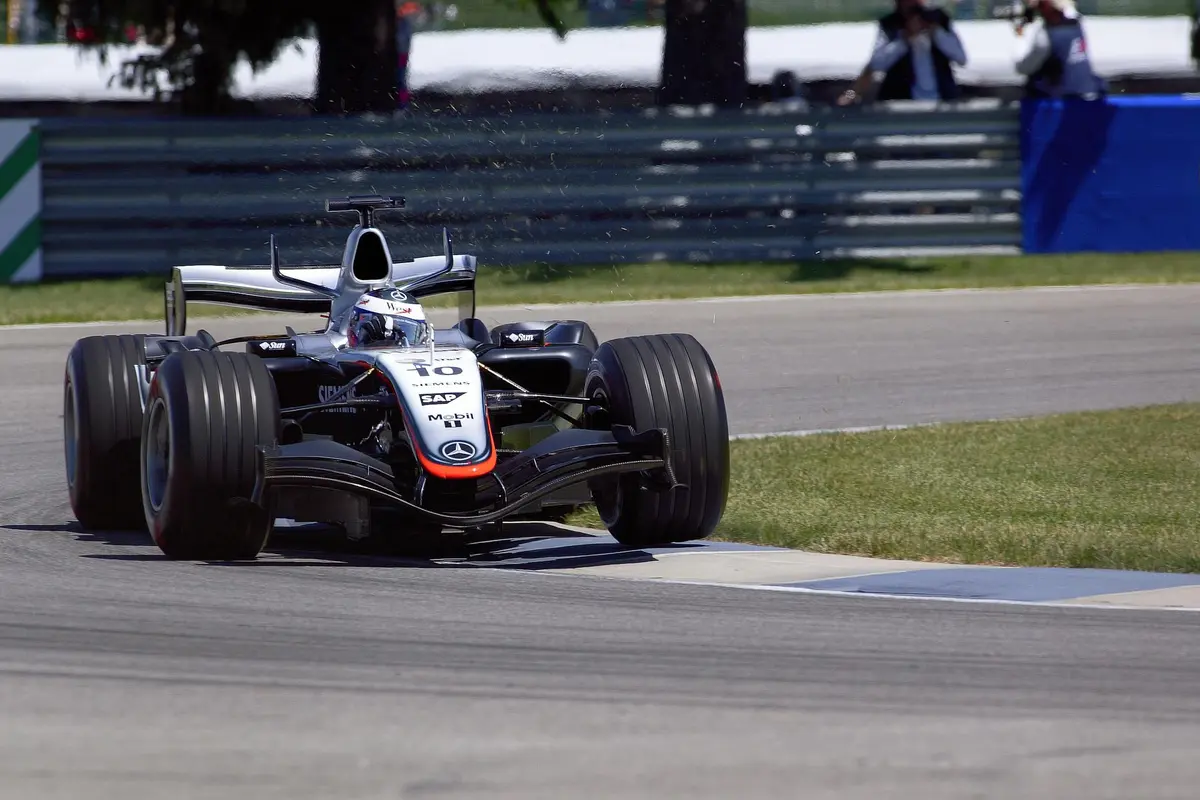
The 2026 Formula 1 season has reached a critical juncture as the paddock descends upon the iconic Suzuka International Racing Course. Today, Saturday, March 28, 2026, the Japanese GP Qualifying session provided the sternest test yet for the sport’s radical new technical regulations. While Suzuka has historically been a temple of high-speed aerodynamic efficiency, the conversation in the paddock has shifted dramatically toward energy management and power delivery. Following the conclusion of the session, several drivers expressed significant frustration regarding how the 2026 power unit regulations have fundamentally altered the sensation of a flat-out qualifying lap. For McLaren F1, led by Lando Norris and Oscar Piastri, the session was a complex puzzle of balancing raw pace with the limitations of the new hybrid systems.
Detailed Analysis of the 2026 Power Unit Impact
The primary talking point of the Japanese GP Qualifying was the 'derating' experienced by cars on the long run from Spoon Curve through 130R. Under the 2026 regulations, the power units feature a nearly 50/50 split between the Internal Combustion Engine (ICE) and electrical power. With the removal of the MGU-H (Motor Generator Unit - Heat), teams are now entirely dependent on the MGU-K (Motor Generator Unit - Kinetic) to harvest energy under braking. At a flow-heavy circuit like Suzuka, where braking events are relatively brief compared to the high-speed lateral loads, harvesting enough energy to maintain maximum deployment for a full 5.8km lap has proven nearly impossible.
McLaren’s Lando Norris was particularly vocal about the loss of the 'pure' qualifying feel. In previous years, a qualifying lap at Suzuka was a relentless crescendo of speed. In 2026, drivers must strategically manage their energy deployment even during their fastest runs. To assist with this, the 2026 cars utilize Active Aero—a system of movable wing elements designed to reduce drag on straights and increase downforce in corners—to minimize energy drain. However, even with these advancements, the 'Manual Override' (a driver-controlled boost of electrical energy available at high speeds) often runs dry before the start-finish line, leading to a noticeable drop in top speed at the end of the lap.
Oscar Piastri’s data showed that the McLaren MCL40 was exceptionally strong through the first sector, where the car’s chassis and aero balance shone. However, as the lap progressed into the final chicane, the energy reserves were depleted. This 'clipping' effect meant that despite a perfect run through the Esses, the final sector times were compromised by the power unit's inability to sustain peak output. This technical nuance has turned Japanese GP Qualifying into a game of tactical deployment rather than just raw bravery through the 130R.
Context: The 2026 Narrative and McLaren’s Position
As we progress through this inaugural season of the new regulations, McLaren finds itself in a tight development race with Ferrari and Red Bull. While the Woking-based squad has mastered the integration of the new chassis requirements, the power unit integration remains a moving target. The 2026 season is defined by these growing pains. Unlike the 2025 season, where the power units were mature and predictable, 2026 requires a total rethink of qualifying strategy. Team Principal Andrea Stella has noted that the 'flat-out' nature of Suzuka exposes the current limitations of the 50/50 power split more than the street circuits seen earlier in the calendar.
The struggle seen in the Japanese GP Qualifying highlights a broader trend in the 2026 championship: the shift from 'aerodynamic dominance' to 'energy efficiency dominance.' McLaren’s drivers, Norris and Piastri, are currently tasked with being as much energy managers as they are racers. With Lewis Hamilton now at Ferrari and Max Verstappen leading the charge at Red Bull with Isack Hadjar, the competition is not just about who has the fastest car, but who has the smartest energy deployment algorithms. McLaren’s ability to refine their software ahead of the European leg of the season will be the deciding factor in their title aspirations.
Key Takeaways
- Energy Depletion: Drivers are struggling to maintain full electrical deployment across a complete lap at Suzuka, leading to 'derating' on the final straights.
- Technical Complexity: The 2026 power units, lacking an MGU-H, rely heavily on the MGU-K, which is difficult to charge at high-speed tracks with few heavy braking zones.
- McLaren Performance: The MCL40 remains a benchmark in high-speed cornering (Sector 1), but loses time in the final sector due to energy management constraints.
- Driver Feedback: Lando Norris and others have lamented the loss of the traditional 'flat-out' qualifying experience due to the need for tactical energy saving.
Frequently Asked Questions
How is McLaren F1 managing the 2026 energy recovery challenges at Suzuka?
McLaren is utilizing advanced software mapping to prioritize energy deployment in Sector 1, where the MCL40's aero package is most effective, while using Active Aero settings to minimize drag and conserve energy for the run toward the final chicane.
What did Lando Norris say about the 2026 power units after Japanese GP Qualifying?
Norris expressed that the new regulations make the car feel 'heavy' in terms of energy demand, noting that the sensation of a flat-out lap is interrupted by the system's need to harvest and the eventual derating of the electrical motor before the lap is completed.
How does Oscar Piastri's qualifying approach differ under the 2026 rules?
Piastri has focused on a more disciplined use of the 'Manual Override' button, ensuring that he has enough electrical boost to defend or attack during the race, even if it means sacrificing a few hundredths of a second in the final stages of a qualifying lap.
Conclusion
The Japanese GP Qualifying session has served as a wake-up call for the FIA and the teams regarding the real-world application of the 2026 power unit regulations at high-speed circuits. While the technology is undoubtedly impressive, the lamentations of the drivers suggest that the 'pure' qualifying spectacle may have been compromised in favor of hybrid efficiency. For McLaren, the focus now shifts to Sunday’s race. Managing these power units over a full race distance will be an even greater challenge than a single lap. If Norris and Piastri can master the art of energy harvesting in traffic, they remain strong contenders for a podium finish at Suzuka. The 2026 era is just beginning, and the technical war is only getting started.