McLaren and the 2026 Japanese GP Regulation Crisis
The 2026 Japanese GP exposed critical power unit issues at Suzuka. Here's what it means for McLaren's title fight with Norris and Piastri.
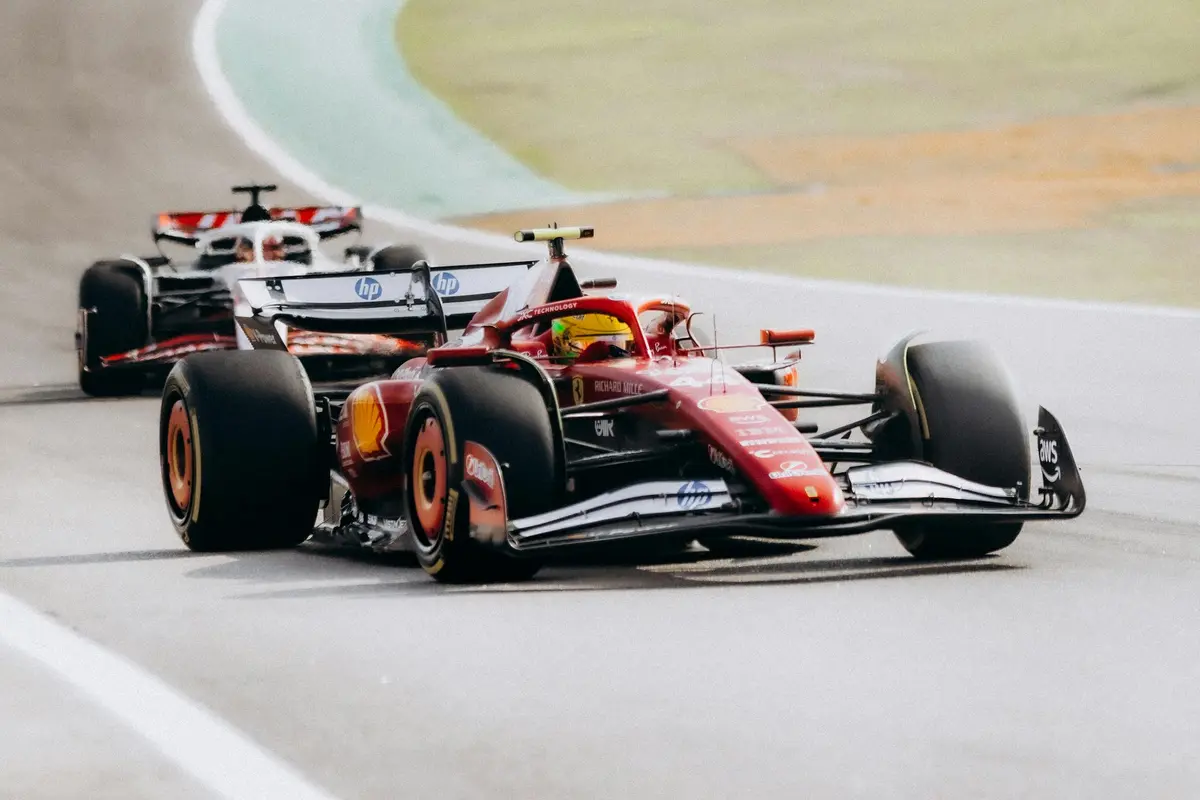
McLaren and the 2026 Japanese GP Regulation Crisis Explained
The 2026 Formula 1 season has already proven to be one of the most technically complex and strategically unpredictable eras in the sport's modern history. The Japanese Grand Prix at Suzuka served as a vivid showcase of just how dramatically the new 2026 regulations can shape race dynamics — delivering breathtaking overtakes and counter-overtakes that thrilled fans worldwide. However, the same race also exposed critical underlying issues with the new power unit architecture that now demand urgent attention. According to reports from Autosport, F1, the FIA, and all the teams are set to convene at a crucial meeting next week to begin addressing these concerns head-on. For McLaren, a team currently among the front-runners in 2026, the outcome of that meeting could have profound championship implications.
Detailed Analysis: What the Japanese GP Revealed
Suzuka has long been regarded as one of the ultimate tests of a car's aerodynamic and mechanical balance, and in 2026, that remains truer than ever. The new regulations introduced sweeping changes to both the power unit architecture and the aerodynamic philosophy — most notably the introduction of fully active aerodynamics (a system where aerodynamic surfaces adjust in real time to optimise downforce and drag depending on circuit demands) and a fundamentally restructured hybrid energy deployment system. These changes were designed to increase overtaking opportunities and make racing more spectacular, and on the surface, the Japanese GP delivered exactly that.
However, the race at Suzuka also brought into sharp focus what Autosport describes as 'critical issues' related to the behaviour of the new complex power units under race conditions. The dynamic of overtakes and counter-overtakes — while entertaining — placed enormous and repeated stress on the energy recovery and deployment systems. For a team like McLaren, whose Lando Norris and Oscar Piastri are expected to be in the thick of championship battles throughout the season, understanding and managing these power unit behaviours is not merely a technical curiosity — it is a race-winning necessity.
The crux of the problem appears to lie in how the 2026 power units respond during intense, repeated overtaking sequences. The new hybrid architecture relies heavily on rapid energy harvesting and deployment cycles — commonly referred to in paddock shorthand as 'boost cycles.' When cars engage in prolonged wheel-to-wheel combat, as seen at Suzuka, the demands placed on these boost cycles can exceed what teams and power unit manufacturers had fully anticipated in pre-season simulations. This creates unpredictable performance windows, where a driver might have a significant power advantage for one corner sequence only to find their energy store depleted moments later — inverting the competitive order in ways that are difficult to manage strategically.
For McLaren specifically, the team's ability to maximise their 2026 package hinges on how efficiently Norris and Piastri can manage these energy deployment windows relative to rivals. McLaren's engineering culture, widely praised for its data-driven approach and meticulous race strategy, gives them tools to adapt — but the regulatory ambiguity exposed at Suzuka means that no team, not even McLaren, can fully optimise until the rules governing power unit behaviour in these scenarios are clarified and potentially amended at next week's critical meeting.
Context: Where This Fits in the 2026 Season Narrative
The 2026 Japanese GP regulation issues do not exist in isolation. From the very first race of the season, teams have been grappling with the steep learning curve imposed by the new technical framework. The active aerodynamics system — while spectacular in theory — requires teams to develop entirely new setup philosophies, and the power unit behaviour concerns compounding those aero challenges have created a multi-layered technical puzzle. McLaren, Red Bull's Max Verstappen and Isack Hadjar, Ferrari's Charles Leclerc and Lewis Hamilton, and Mercedes' George Russell and Andrea Kimi Antonelli all arrived in Japan with different levels of understanding of these systems, and Suzuka's unique, high-speed, high-load circuit profile acted as the ultimate stress test.
The upcoming meeting between F1, the FIA, and the teams represents a pivotal moment for the 2026 championship. Regulatory clarifications — or even mid-season technical directives — could reshuffle the competitive order dramatically. McLaren will be acutely focused on ensuring that any regulatory changes do not disproportionately disadvantage their current technical approach, while simultaneously pushing for the kind of stability that allows Norris and Piastri to execute on their championship ambitions.
Key Takeaways
- The 2026 Japanese GP at Suzuka delivered exciting racing but exposed critical power unit behaviour issues under repeated overtaking conditions.
- McLaren's championship hopes with Lando Norris and Oscar Piastri are directly tied to how efficiently the team can manage the new hybrid boost cycle deployment system.
- F1, the FIA, and all teams will meet next week to address the 2026 regulation concerns highlighted at Suzuka — a meeting that could reshape the competitive landscape mid-season.
- The active aerodynamics and new hybrid architecture of 2026 were designed to increase overtaking, but Suzuka revealed the unintended consequences of those innovations under real race stress.
Frequently Asked Questions
How does the 2026 Japanese GP regulation crisis affect McLaren's championship chances?
The critical power unit behaviour issues exposed at the 2026 Japanese GP create strategic uncertainty for every team, including McLaren. For Lando Norris and Oscar Piastri to maximise their championship challenge, McLaren must understand and manage the unpredictable boost cycle depletion patterns that emerged at Suzuka. Any regulatory clarification from next week's FIA meeting that stabilises these systems would benefit a data-driven team like McLaren significantly.
What specific power unit issues did McLaren and other teams face at the 2026 Japanese GP?
According to Autosport's reporting on the 2026 Japanese GP, the complex new power units displayed critical behavioural issues during repeated overtaking sequences at Suzuka. The rapid energy harvesting and deployment cycles — essential to the 2026 hybrid architecture — were placed under extreme stress during wheel-to-wheel combat, creating inconsistent performance windows that affected race strategy for McLaren and all other leading teams.
Could McLaren benefit from the upcoming F1 and FIA regulation meeting following the Japanese GP?
McLaren's meticulous engineering approach and strong data analytics infrastructure position them well to adapt quickly to any clarifications or technical directives that emerge from next week's meeting between F1, the FIA, and the teams. If the meeting produces clearer guidelines on power unit deployment behaviours highlighted at the 2026 Japanese GP, McLaren could leverage their adaptability to gain a competitive edge over rivals still struggling with the new regulations.
Conclusion: All Eyes on Next Week's Critical Meeting
The 2026 Japanese GP was simultaneously a triumph and a warning shot for Formula 1's ambitious new regulatory era. Suzuka delivered the spectacle that the rule-makers promised — dynamic, multi-move battles that reminded fans why this sport captures the imagination like no other. But beneath the excitement, critical technical issues are brewing that demand immediate and decisive action. For McLaren and their title contenders Lando Norris and Oscar Piastri, the outcome of next week's meeting between F1, the FIA, and the teams could prove to be one of the most consequential off-track moments of the entire 2026 season. The paddock watches closely.