Red Bull Racing Struggles: Verstappen Faces Tough Weekend
Max Verstappen returns to a site of past glory, but current Red Bull Racing struggles suggest the 2026 season's challenges are far from over.
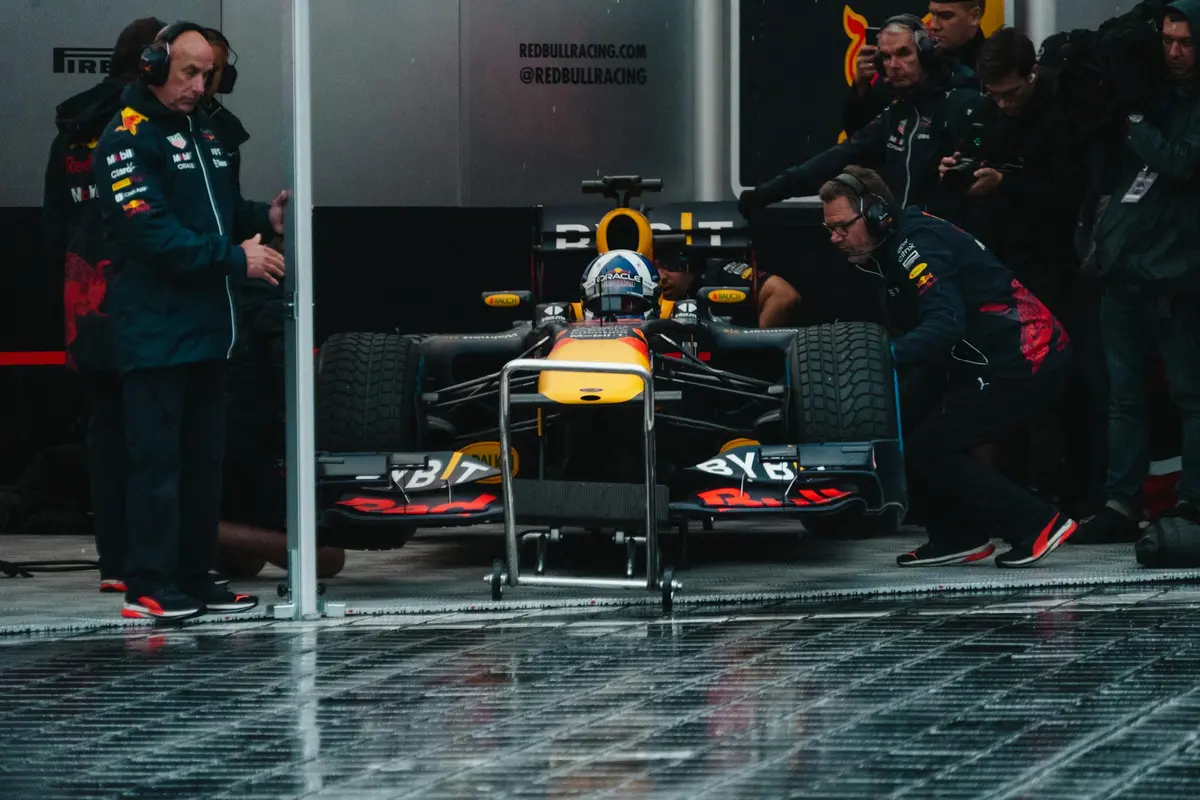
Introduction: A Bitter Homecoming for the World Champion
As the Formula 1 circus descends upon the paddock this week, all eyes are on Max Verstappen. The Dutchman is set to return to a circuit that served as the backdrop for one of his most iconic career triumphs. However, the atmosphere within the Milton Keynes squad is far from celebratory. Current data and recent performance trends suggest that Red Bull Racing struggles are likely to define the narrative of the upcoming weekend, marking a stark departure from the dominance the team enjoyed during the previous regulation cycle.
On this Wednesday, March 25, 2026, the reality of the new technical era has fully set in. While Verstappen remains a generational talent, the RB22 chassis has found itself grappling with the complexities of the 2026 power unit regulations and the revolutionary aerodynamic shifts that have reshuffled the grid hierarchy. For a driver used to standing on the top step, the prospect of a mid-pack battle at a former stronghold is a difficult pill to swallow.
Detailed Analysis: The Technical Roots of the Decline
The primary cause of the Red Bull Racing struggles can be traced back to the integration of the first-ever Red Bull Powertrains (RBPT) unit developed in-house with Ford. Unlike the seamless synergy seen at Ferrari or Mercedes, Red Bull has faced significant hurdles in optimizing the 50/50 power split between the internal combustion engine and the increased electrical output. In 2026, the electrical component of the power unit has seen a massive jump in importance, and early season telemetry suggests that the RBPT unit is suffering from premature clipping at the end of long straights.
The Active Aero Challenge
Another critical factor is the implementation of Active Aero. In the 2026 regulations, Active Aero refers to the system where both front and rear wings adjust their angles dynamically to balance drag and downforce. Red Bull, historically the masters of aero efficiency under Adrian Newey (who has since departed for Aston Martin), appears to be struggling with the transition between 'Z-mode' for corners and 'X-mode' for straight-line speed. If the synchronization between the wings is even slightly off, the car becomes unpredictable under heavy braking—a trait Verstappen has complained about in recent briefings.
Manual Override and Energy Management
The 2026 season introduced the Manual Override, a driver-controlled boost system that provides extra electrical power to aid overtaking when within a certain distance of the car ahead. Red Bull's energy recovery system (ERS) has shown signs of inefficiency, meaning Verstappen often enters a defensive phase with a depleted battery, leaving him vulnerable to the likes of Lewis Hamilton’s Ferrari or George Russell’s Mercedes. Without the surplus energy required to deploy the Manual Override effectively, the RB22 is a sitting duck on high-speed sectors.
Context: The 2026 Narrative Shift
The 2026 season has been a wake-up call for the entire grid. With the departure of key technical figures and the arrival of Audi and Cadillac, the competitive landscape has flattened. Red Bull Racing, now led by Team Principal Laurent Mekies, is in a transitional phase. While Isack Hadjar has shown flashes of brilliance in the second seat, the burden of development rests almost entirely on Verstappen’s shoulders. The Red Bull Racing struggles are not just about a lack of pace; they are about a team learning to be a full works manufacturer for the first time in its history.
Comparing the current situation to Verstappen’s previous triumphs at this venue highlights the volatility of F1. Where once the RB-series cars were on rails, the 2026 iteration requires constant correction. The loss of the 'Newey-effect' is palpable, as the RB22 lacks the sophisticated floor-loading characteristics that previously allowed Red Bull to run softer suspension setups than their rivals.
Key Takeaways
- Power Unit Parity: The RBPT-Ford engine is currently lagging behind Ferrari and Mercedes in terms of electrical deployment efficiency.
- Aero Instability: Difficulties in calibrating the 2026 Active Aero systems have led to a narrow operating window for the RB22.
- Strategic Vulnerability: Inefficient energy recovery makes the car susceptible to overtakes via the Manual Override system.
- Leadership Transition: The team is still adjusting to the post-Horner/Newey era under the guidance of Laurent Mekies.
Frequently Asked Questions
Why is Red Bull Racing struggling with the 2026 regulations?
The team is facing a steep learning curve as a first-time engine manufacturer with Red Bull Powertrains. Additionally, the departure of Adrian Newey has impacted their ability to master the new Active Aero requirements as quickly as their rivals.
How does the Manual Override affect Max Verstappen's performance?
The Manual Override provides a tactical power boost. Because the Red Bull RB22 is currently struggling with energy harvesting, Verstappen often lacks the battery reserves to use this boost for either attack or defense compared to the Ferrari and Mercedes drivers.
Is Isack Hadjar contributing to the team's recovery?
As a rookie in a challenging car, Hadjar is focused on data collection. While he is providing valuable feedback, the technical Red Bull Racing struggles are systemic and require long-term engineering solutions rather than just driver input.
Conclusion: A Test of Resilience
As we look toward the first practice sessions of the weekend, the outlook for Red Bull remains cautious. Max Verstappen’s return to a site of past glory will likely be a weekend of damage limitation rather than trophy hunting. The Red Bull Racing struggles are a testament to how quickly the tide can turn in Formula 1 when a new technical cycle begins. For Verstappen, the goal will be to maximize the points haul and provide the engineers with the data needed to bridge the gap. The road back to the front will be long, but in the high-stakes world of 2026, every kilometer of data is a step toward redemption.