Max Verstappen Mercedes 2027 Talks Loom After Red Bull Struggles
Jolyon Palmer predicts inevitable Max Verstappen Mercedes talks for 2027 as Red Bull struggles with the 2026 regulations following a P6 finish in Australia.
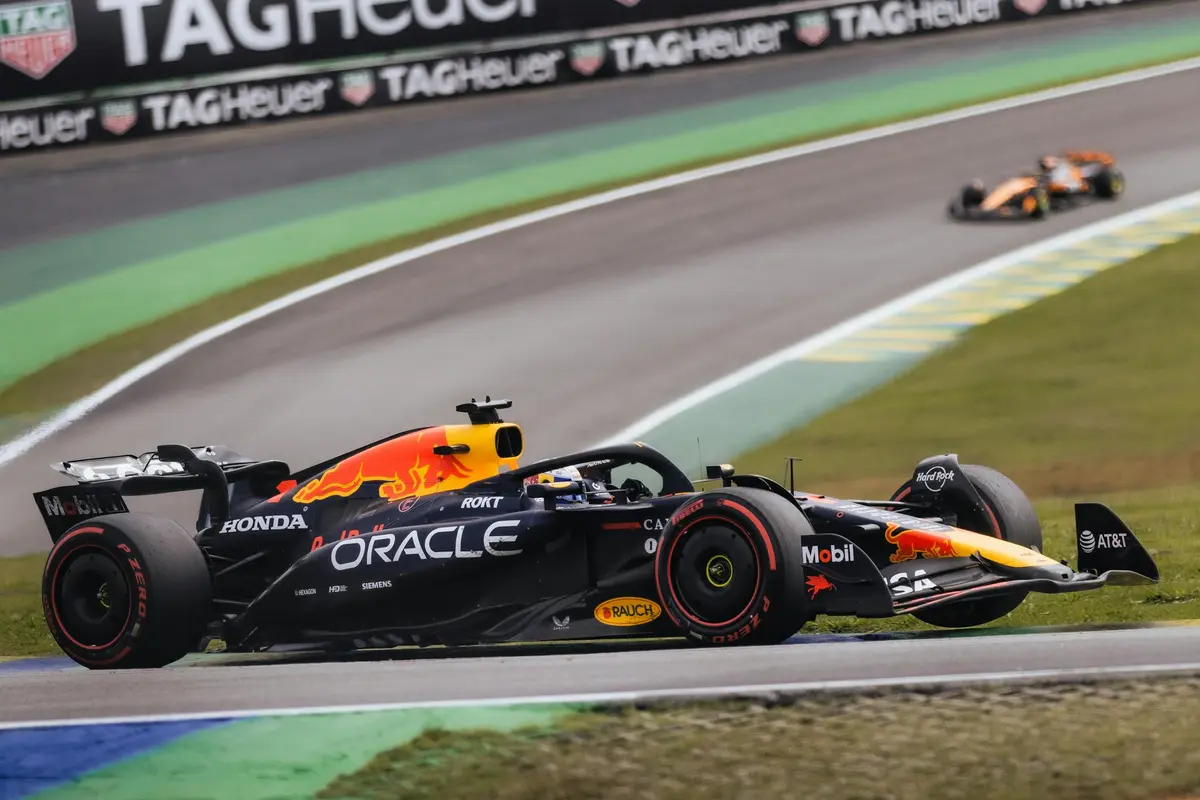
The 2026 Power Shift: Why Max Verstappen Mercedes Talks Are Inevitable
As the 2026 Formula 1 season enters its stride, the paddock is buzzing with a narrative that few would have predicted during the height of the Milton Keynes dominance. Following a difficult opening to the new regulatory era, high-profile pundit Jolyon Palmer has suggested that Max Verstappen Mercedes talks for the 2027 season are now an inevitability. The shift in the competitive order has been stark, with Red Bull Racing struggling to find its footing under the radically different technical requirements of the 2026 cars. For a driver of Verstappen’s caliber, a recovery to sixth place in Australia is a far cry from the podium-topping consistency he has enjoyed for the better part of half a decade.
Red Bull’s Rocky Start to the New Era
The opening two rounds of the 2026 season have exposed unexpected vulnerabilities within the Red Bull camp. While the team was once the benchmark for aerodynamic efficiency, the transition to the 2026 power unit and chassis integration appears to have hit a significant stumbling block. In Australia, Verstappen was forced to fight through the field just to secure a P6 finish, a result that highlights a lack of raw pace compared to the front-runners. His teammate, Isack Hadjar, has also faced a steep learning curve, leaving the reigning champion to carry the developmental load of a car that seems temperamental in high-speed transitions.
The technical challenges are multifaceted. The 2026 regulations introduced Active Aero—movable wing elements designed to reduce drag on straights and increase downforce in corners—and it appears Red Bull’s implementation has not yet reached the optimization levels of their rivals. Furthermore, the integration of the Manual Override—a driver-controlled power boost available when following another car to aid overtaking—has been a point of contention, with Verstappen reporting inconsistencies in energy deployment during the heat of battle. When the Boost Button (the interface used to deploy the increased electrical energy output) doesn't provide the expected delta, the frustration in the cockpit becomes palpable.
The Jolyon Palmer Prediction: A 2027 Realignment
Jolyon Palmer’s assertion that Max Verstappen Mercedes negotiations are on the horizon stems from the fundamental reality of F1: the best drivers demand the best machinery. Mercedes, led by Toto Wolff, has shown a resurgent form with George Russell and the sensational rookie Andrea Kimi Antonelli. If Red Bull cannot prove that they can master the 2026 power unit regulations in the coming months, the allure of the Silver Arrows—a team that historically excels during major engine regulation shifts—may become irresistible for the Dutchman.
The 2027 season represents the first real opportunity for a contract break-clause to be triggered if performance targets are not met. Palmer notes that the "less-than-competitive start" for Red Bull is not just a temporary dip but a potential indicator of a longer-term struggle with the new 50/50 power split between internal combustion and electrical energy. If Verstappen continues to find himself fighting for minor points rather than victories, the Max Verstappen Mercedes link will transition from paddock gossip to a formal transfer saga that could redefine the grid for the late 2020s.
Contextualizing the 2026 Narrative
The 2026 season is defined by its unpredictability. With new entries like Audi and Cadillac joining the fray, the traditional hierarchy has been disrupted. Red Bull’s current predicament is exacerbated by the fact that their rivals have seemingly made larger gains in energy recovery systems. While Verstappen’s recovery to sixth in Australia showed his individual brilliance, it also underscored the car's inability to compete for the win on merit. In a season where every millisecond of electrical deployment counts, Red Bull is currently playing catch-up.
The dynamic within the team is also under scrutiny. With Laurent Mekies at the helm as Team Principal, the pressure is on to rectify the pace deficit before the European leg of the season begins. However, if the fundamental architecture of the RB22 is flawed, the team may be looking at a "lost year," which is exactly the scenario that would trigger the Max Verstappen Mercedes move. The 2026 grid is more competitive than ever, and with talents like Lando Norris at McLaren and Lewis Hamilton at Ferrari consistently outperforming the Red Bull in these early rounds, the clock is ticking for the Milton Keynes squad.
Key Takeaways
- Performance Deficit: Red Bull has struggled in the opening two rounds of 2026, with Verstappen only managing P6 in Australia.
- Technical Hurdles: Issues with Active Aero and energy deployment via the Manual Override have hampered Red Bull's competitive edge.
- Transfer Rumors: Jolyon Palmer predicts that Max Verstappen Mercedes talks for 2027 are inevitable if Red Bull's form does not improve.
- Grid Dynamics: Mercedes' strong start with Russell and Antonelli makes them the primary destination for a frustrated Verstappen.
Frequently Asked Questions
Why is Red Bull Racing struggling with the 2026 regulations?
Red Bull Racing appears to be facing challenges with the integration of the new 2026 power units and the Active Aero systems. The balance between the internal combustion engine and the increased electrical output has led to pace inconsistencies compared to Mercedes and Ferrari.
Could Max Verstappen leave Red Bull before his contract ends?
While Verstappen is under a long-term contract, most top-tier F1 agreements contain performance clauses. If Red Bull fails to provide a car capable of winning races during the 2026 season, Verstappen could potentially negotiate a move to a rival team like Mercedes for 2027.
How did Max Verstappen perform in the Australian Grand Prix?
Despite the car's lack of pace, Verstappen managed a recovery drive to finish in sixth place. However, this result is considered a disappointment for the team, given their previous years of dominance.
Conclusion
The 2026 season has already delivered a seismic shift in the Formula 1 landscape. Red Bull Racing, a team synonymous with technical perfection, now finds itself in the uncharacteristic position of the underdog. As the paddock looks toward the next round, all eyes will be on the Red Bull garage to see if they can unlock the potential of their 2026 package. If the gap to the front remains, the Max Verstappen Mercedes rumors will only grow louder, signaling the potential end of one of the most successful partnerships in the history of the sport. For now, Verstappen remains a Red Bull driver, but the foundations of that loyalty are being tested like never before.