Arvid Lindblad Suzuka Tyre Test Shunt: RB Analysis
Arvid Lindblad escaped unharmed after a minor shunt at Suzuka during a Pirelli tyre test on Wednesday, with Racing Bulls monitoring the situation closely.
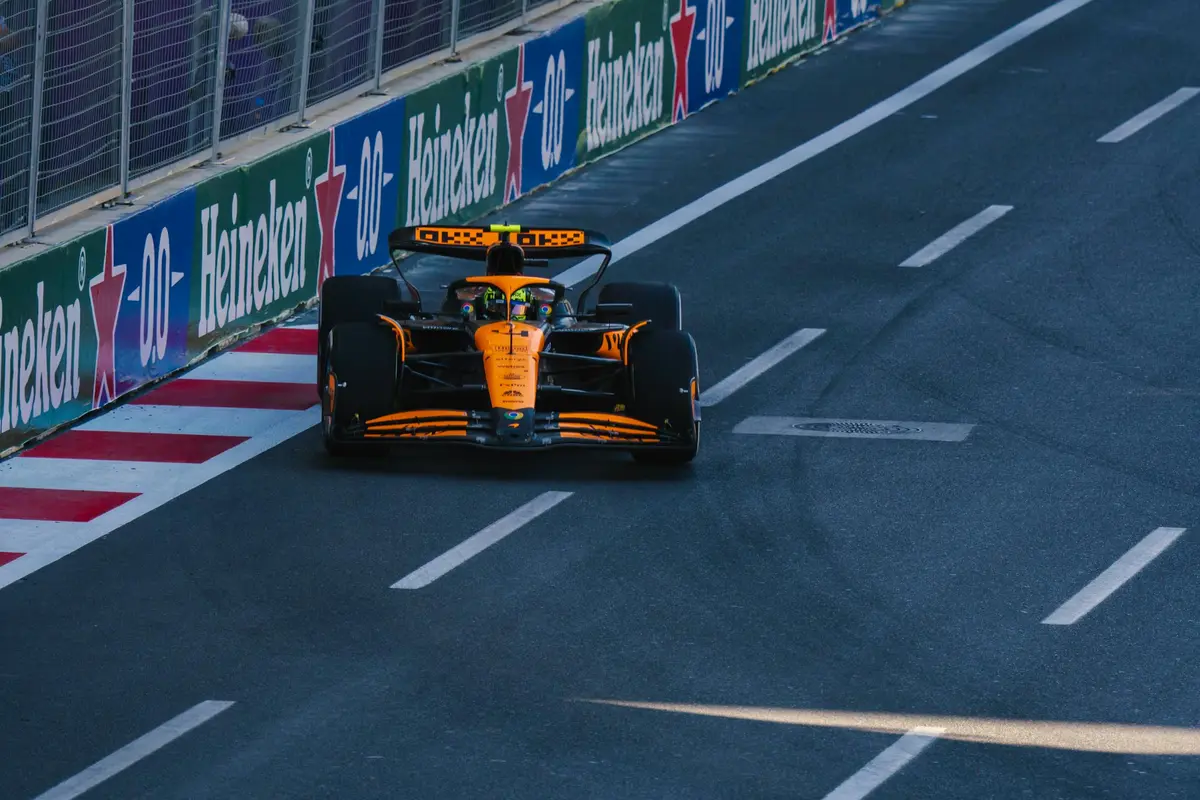
Arvid Lindblad Survives Minor Shunt at Suzuka During Pirelli Tyre Test
Racing Bulls rookie Arvid Lindblad was involved in a minor crash at the Suzuka International Circuit on Wednesday while representing the team during a Pirelli F1 tyre test. The incident, described as a shunt rather than a serious accident, drew immediate attention from the paddock — not least because Lindblad is one of the most closely watched young talents on the 2026 grid. While the Arvid Lindblad Suzuka tyre test incident appears to have caused no significant injury, it raises important questions about the demands placed on rookie drivers during off-weekend testing duties and what it means for Racing Bulls' near-term programme.
Detailed Analysis: What Happened at Suzuka?
Pirelli regularly conducts tyre development tests at iconic circuits to gather data for current and future compound generations. Suzuka, with its high-speed corners, elevation changes, and technical sections like the Esses and Spoon Curve, is considered one of the most demanding test venues on the calendar. It places extraordinary loads on tyres across multiple axes, making it a high-value but high-risk environment for evaluation work.
During these Pirelli test sessions, teams are typically assigned specific drivers — often young or reserve talent — to complete structured run plans designed to push compounds to their thermal and structural limits. The data gathered feeds directly into Pirelli's compound development roadmap and influences allocations for future race weekends. For a driver like Lindblad, participation in such a test is both an opportunity and a responsibility.
The minor crash Lindblad experienced is, in itself, not unusual in the context of tyre testing. Drivers are frequently asked to push beyond normal race operating windows to collect boundary-condition data, which inherently increases the risk of a loss of control. What matters most from the Racing Bulls perspective is the condition of the driver and the integrity of the chassis. Based on available reporting, Lindblad was unharmed, and the shunt appeared to be contained. The Arvid Lindblad Suzuka tyre test moment will nonetheless be reviewed carefully by both Racing Bulls engineers and Pirelli data analysts.
From a technical standpoint, incidents during tyre tests can actually yield valuable data. A sudden loss of grip that causes a minor shunt often indicates a tyre compound has reached its thermal cliff — the point at which tyre temperatures rise beyond the optimal operating window and grip degrades catastrophically. Understanding precisely where that cliff sits is exactly what Pirelli needs to refine its 2026 compound specifications under the new aerodynamic and power unit regulations.
Context: The 2026 Narrative and Racing Bulls' Rookie Investment
The 2026 Formula 1 season has introduced sweeping regulatory changes, including a revised aerodynamic framework and the introduction of new hybrid power unit architecture. In this environment, tyre behaviour has shifted considerably, and Pirelli's test programme is more intensive than in previous years as the company works to optimise compounds for the altered aerodynamic download and power delivery profiles that characterise 2026-spec cars.
For Racing Bulls, the deployment of Arvid Lindblad in the Arvid Lindblad Suzuka tyre test reflects the team's commitment to building the young Swede's experience base as rapidly as possible. Lindblad, partnered with Liam Lawson at Racing Bulls this season, represents the team's long-term investment in youth development — a strategic pillar the Red Bull junior programme has relied upon for over a decade. Accumulating track time at a circuit like Suzuka, even in a test capacity, is invaluable for a driver still in the early phase of his F1 career.
The incident also serves as a reminder of the physical and psychological demands of tyre testing, where the usual competitive safety nets of a race weekend — marshalled sessions, strict track limits enforcement, full medical teams — are often reduced. Drivers operating in these conditions carry a heightened personal responsibility, and Lindblad's ability to manage a shunt without serious consequence is, in itself, a positive indicator of composure under pressure.
Key Takeaways
- Arvid Lindblad was involved in a minor crash during a Pirelli tyre test at Suzuka International Circuit on Wednesday, emerging without significant injury.
- The incident occurred during structured tyre development running, which routinely involves pushing compounds beyond normal race operating windows — inherently increasing incident risk.
- Racing Bulls' decision to deploy Lindblad in the Pirelli test underscores the team's strategy of maximising track time for their rookie driver in the 2026 season.
- Suzuka's technical demands make it one of Pirelli's most data-rich test venues, and even an incident like this can yield compound boundary-condition data of real value.
Frequently Asked Questions
What is the purpose of Racing Bulls running Arvid Lindblad in Pirelli tyre tests in 2026?
Racing Bulls uses Pirelli tyre test appearances to accelerate Arvid Lindblad's development by providing structured, high-intensity track time outside of race weekends. These sessions help the rookie build familiarity with tyre behaviour at the limits of performance, while also fulfilling Racing Bulls' contractual obligations to Pirelli's compound development programme.
How serious was Arvid Lindblad's crash at the Suzuka tyre test?
Reports describe the incident as a minor shunt, with Lindblad surviving the crash without significant injury. Tyre tests of this nature occasionally produce boundary-limit incidents due to the structured requirement to push compounds beyond normal race operating parameters, and the Arvid Lindblad Suzuka tyre test shunt appears to fall within that category.
Does a tyre test crash affect Racing Bulls' 2026 championship preparations?
A minor shunt during a Pirelli tyre test, assuming no driver injury and manageable chassis damage, is unlikely to materially impact Racing Bulls' 2026 championship preparations. However, any disruption to Lindblad's physical condition or psychological confidence ahead of upcoming race weekends will be monitored closely by the team's performance and medical staff.
Conclusion: Eyes Forward for Lindblad and Racing Bulls
The Arvid Lindblad Suzuka tyre test incident is, in the broader scheme of the 2026 season, a minor event — but one that carries instructive lessons. For Racing Bulls, the priority is ensuring Lindblad is fully fit and mentally refreshed as the team continues to navigate a highly competitive midfield battle in 2026. Tyre testing forms a crucial part of the preparation ecosystem, and Lindblad's willingness to take on these assignments demonstrates both his hunger for seat time and the team's confidence in his capabilities. All attention now turns to the next competitive outing, where Racing Bulls will look to convert developmental learning into hard championship points.
In this article